How to Choose a Factory for Abrasion-Resistant PVC-Coated Oxford Fabric for Bags
1. What Should Buyers Check When Selecting an Oxford Fabric Supplier?
A practical supplier evaluation should cover four areas: product scope, fabric construction, processing capabilities, and quality verification. A supplier offering a particular denier or PVC-coated fabric does not automatically mean that the material meets the abrasion requirements of a specific bag project.
|
Inspection item |
What to confirm |
Why it matters |
|---|---|---|
|
Base material |
Polyester, nylon, or another fiber |
Establishes the actual material composition |
|
Yarn specification |
For example, 600D or 900D, subject to the actual product specification |
Helps narrow down candidate fabrics but does not establish abrasion resistance |
|
Woven construction |
Warp and weft specifications, density, and weave |
Influences fabric structure and performance |
|
Fabric weight |
Finished mass per unit area and allowable variation |
Helps control finished bag weight and material consumption |
|
PVC coating |
Coated side, coating structure, thickness, or coating weight where specified |
Influences surface properties, handle, and application performance |
|
Abrasion resistance |
Test method, abrasive medium, cycle count, and acceptance criteria |
Determines whether the fabric meets the intended requirements |
|
Tear resistance |
Test direction, method, and minimum acceptance level |
Evaluates resistance to tearing under specified conditions |
|
Delivery and inspection |
Usable width, roll length, color variation, appearance, packaging, and sampling rules |
Reduces the risk of receiving nonconforming material |
If a supplier only describes a product as “abrasion-resistant PVC Oxford fabric” without providing detailed specifications or inspection criteria, buyers cannot reliably compare samples from different suppliers.
2. How Should Buyers Select PVC-Coated Oxford Fabric for Abrasion-Resistant Bags?
PVC refers to the coating material system, while Oxford fabric describes a woven fabric category. Neither term alone establishes a specific abrasion-resistance rating.
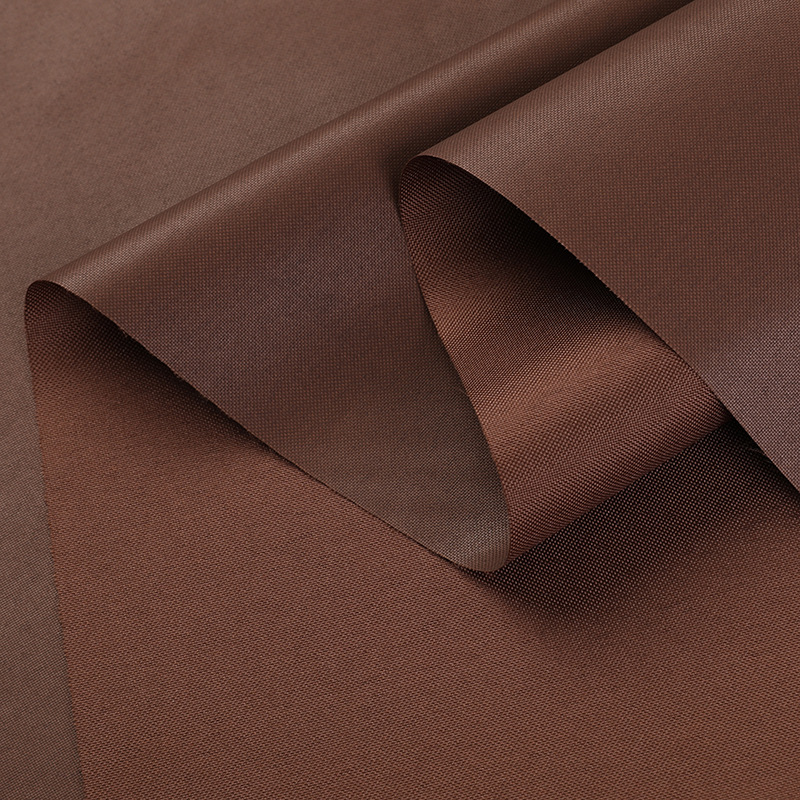
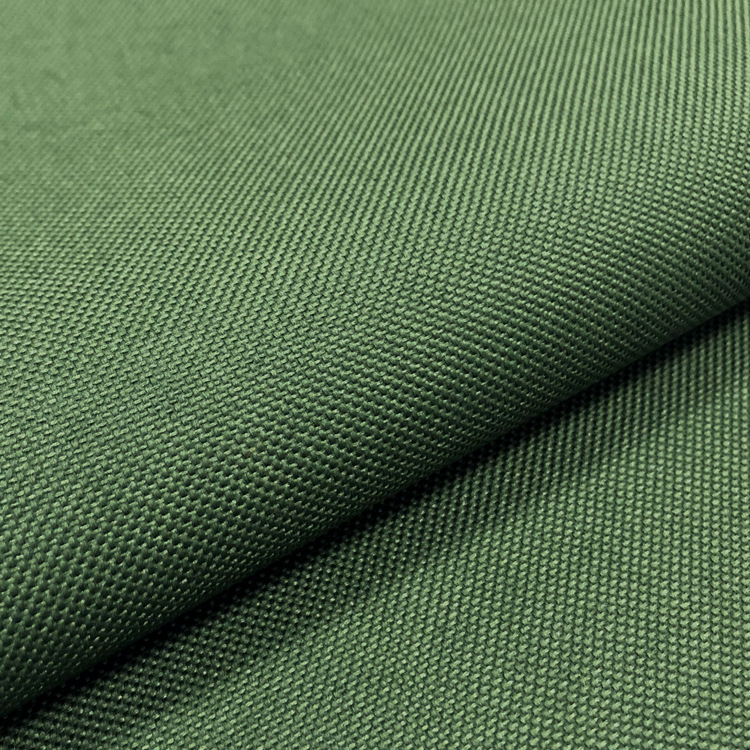
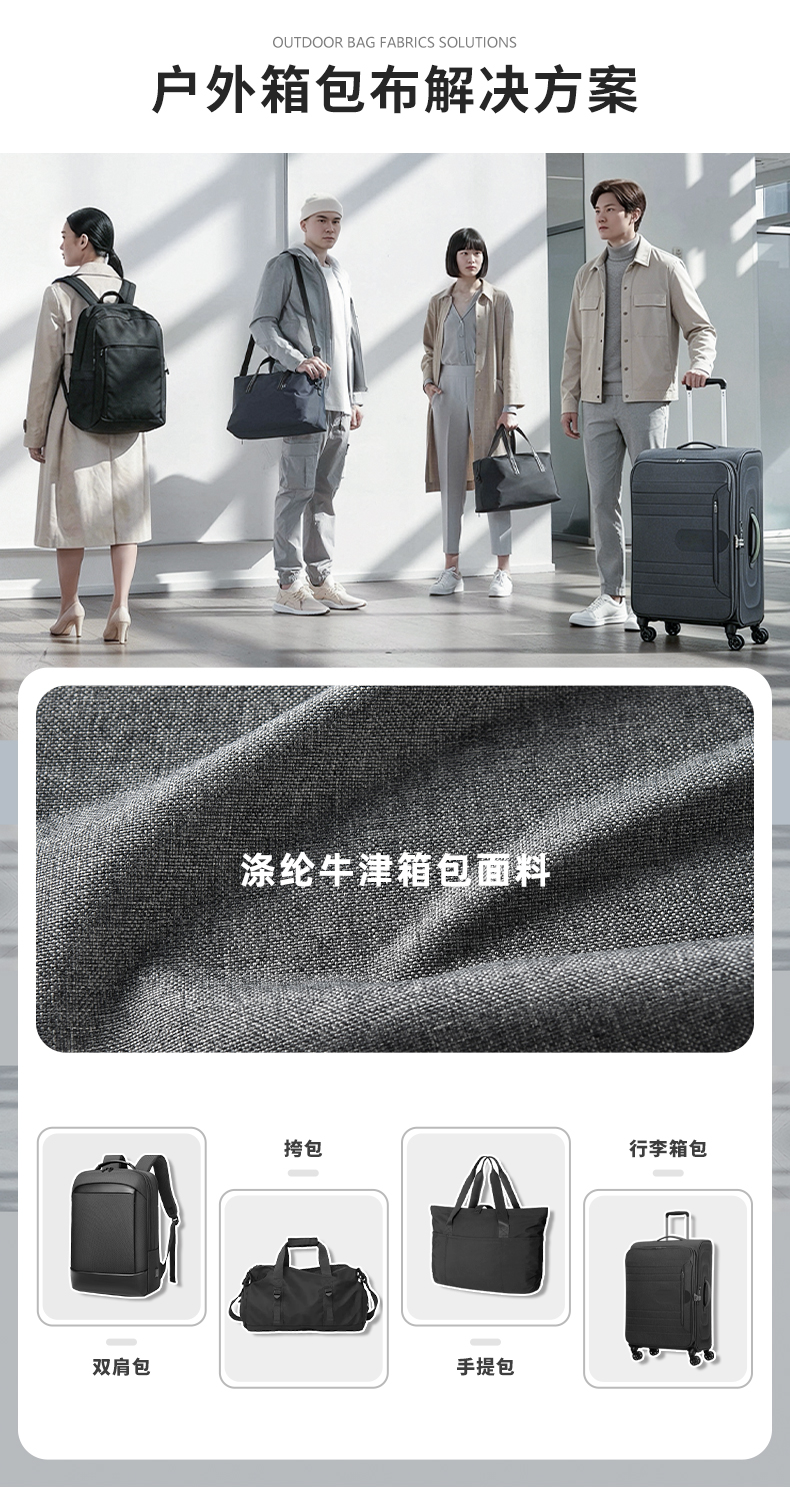
PVC-coated polyester Oxford fabric generally uses polyester woven fabric as its base, followed by an appropriate coating process. For tool bags, travel bags, storage bags, and other bag products, buyers should evaluate whether the base fabric construction and PVC coating are suitable for the intended conditions.
Key considerations include:
-
Base fabric specifications: Confirm fiber composition, warp and weft yarn specifications, fabric density, and weave. “600D Oxford fabric” or “900D Oxford fabric” alone is insufficient.
-
Coating requirements: Confirm the PVC coating process, coated side, finished fabric weight, thickness, and other agreed parameters. Coating structures may differ between products.
-
Finished fabric handle: Define the required flexibility, stiffness, and surface feel based on folding, sewing, edge binding, and bag construction.
-
Service environment: If the bag will encounter rain, repeated friction, or heavy loads, specify the corresponding performance requirements separately rather than treating PVC coating as proof of every required property.
-
Manufacturing compatibility: Evaluate cutting, sewing, edge finishing, and prototype performance to confirm that the fabric works with the intended bag design.
Even when two fabrics use the same fiber type and nominal denier, their finished performance may differ. Abrasion resistance, waterproofness, and tear resistance must be verified against the actual product construction and relevant test conditions.
3. How Should Buyers Compare 600D and 900D Oxford Fabric for Bags?
600D and 900D are common yarn-denier specifications used in fabric sourcing. They help narrow the selection, but they cannot independently establish abrasion resistance, tear strength, or finished-product service life.
|
Comparison factor |
600D candidate fabric |
900D candidate fabric |
|---|---|---|
|
Selection basis |
Evaluate against bag construction and weight requirements |
Evaluate against bag construction and load requirements |
|
Specifications to verify |
Yarn specification, fabric density, and weight |
Yarn specification, fabric density, and weight |
|
PVC coating |
Confirm coating structure and finished requirements |
Confirm coating structure and finished requirements |
|
Abrasion performance |
Verify against agreed test methods and acceptance criteria |
Verify against agreed test methods and acceptance criteria |
|
Product compatibility |
Check sewing, folding, edge finishing, and handle |
Check sewing, folding, edge finishing, and handle |
A higher denier number does not automatically mean better abrasion resistance. Actual performance also depends on yarn properties, weave, fabric density, finishing, coating structure, and test conditions.
For bags exposed to repeated dragging, rough surfaces, or sustained loads, buyers should define the actual service conditions before establishing abrasion and tear-resistance requirements. For products where lightweight construction, flexibility, or sewing efficiency is important, finished fabric weight and processing performance should also be compared.
4. How Should Abrasion Resistance Be Inspected?
Abrasion inspection should not rely on a general “abrasion-resistant” label. The test conditions must correspond to the intended application.