300D Oxford Fabric Manufacturers: How to Evaluate Suppliers and Specify Your Requirements
Which Applications Require Different 300D Oxford Fabric Specifications?
300D Oxford fabric may be considered for several types of products. Suitability depends on the actual fabric construction, finishing, and conditions of use.
| Application | Points to confirm |
|---|---|
| Bags and storage products | Fabric position, load conditions, abrasion and tear requirements, and sewing requirements |
| Outdoor protective covers | Item being covered, outdoor exposure, waterproof requirements, sunlight exposure, and seam treatment |
| Tents and shelters | Fabric position, waterproof and weight requirements, construction details, and project specifications |
| Outdoor chairs and other products | Fabric position, loading conditions, abrasion requirements, and finished-product testing |
For example, a storage bag outer fabric and an outdoor cover may both be described as 300D Oxford fabric, but their water resistance, weather exposure, and processing requirements can differ. Define the finished product first, then discuss the appropriate construction with the supplier.
What Should a 300D Oxford Fabric Specification Include?
300D generally refers to yarn linear density. A request stating only “300D Oxford fabric” leaves room for different interpretations of yarn construction, fabric density, and finishing.
Include the following in your inquiry:
- Fiber: Specify polyester, nylon, or another required material.
- Warp and weft yarns: State the specification required in each direction. Do not assume that a fabric described as 300D uses 300D yarn in both directions.
- Fabric construction: Confirm the weave, warp and weft density, appearance, and handle where relevant.
- Finished weight and usable width: State the units and agreed tolerances.
- Finishing: Specify whether a PU or PVC coating, or another finish, is required.
- Color and appearance: Provide a color reference and agree on how color, texture, and appearance will be assessed.
If “300D” is the only specification available, explain the intended application and performance targets to the supplier. Ask for available constructions and review samples before selecting one.
How Should Waterproof and Abrasion Requirements Be Verified?
Waterproof performance, water repellency, and abrasion resistance are separate requirements. Neither a 300D designation nor a coating name establishes their test results.
For a waterproof requirement, specify the test method, target hydrostatic pressure, test specimen, and acceptance conditions. Check that the tested material corresponds to the construction and finishing proposed for the order. Water repellency concerns surface wetting and cannot replace a waterproof test.
For abrasion resistance, agree on the test method, conditions, and acceptance criteria according to the fabric’s position in the finished product. Areas exposed to friction on bags or contact points on covers may also need evaluation as part of the finished construction.
A sample or test report supports conclusions only for the specimen, method, and conditions it covers. It does not automatically establish performance for every product or future order. The buyer and supplier should also agree on how the approved sample relates to the ordered fabric and how acceptance will be handled.
How Can Buyers Compare 300D Oxford Fabric Manufacturers?
Send each candidate the same specification and ask for confirmation on the following points:
| Review item | Questions to ask |
|---|---|
| Product scope | Is 300D Oxford fabric available in the specified fiber, construction, and finish? |
| Production and processing | Which processes are involved, who performs them, and can the project requirements be accommodated? |
| Samples and documents | Can the supplier provide a relevant sample, specification information, and available supporting documents? |
| Performance verification | Do the specimen, test method, conditions, and results correspond to the purchase requirements? |
| Commercial terms | Can quantity, price, lead time, and other terms be confirmed for the project? |
| Production acceptance | How will the approved sample, order specification, color, and performance requirements be agreed and discrepancies handled? |
For a meaningful quotation comparison, keep the fiber, construction, weight, width, finish, and acceptance requirements consistent. Two fabrics described as “300D Oxford” may otherwise be different products.
Can Zhejiang Hongda Environmental Protection Technology Co., Ltd. Be Considered?
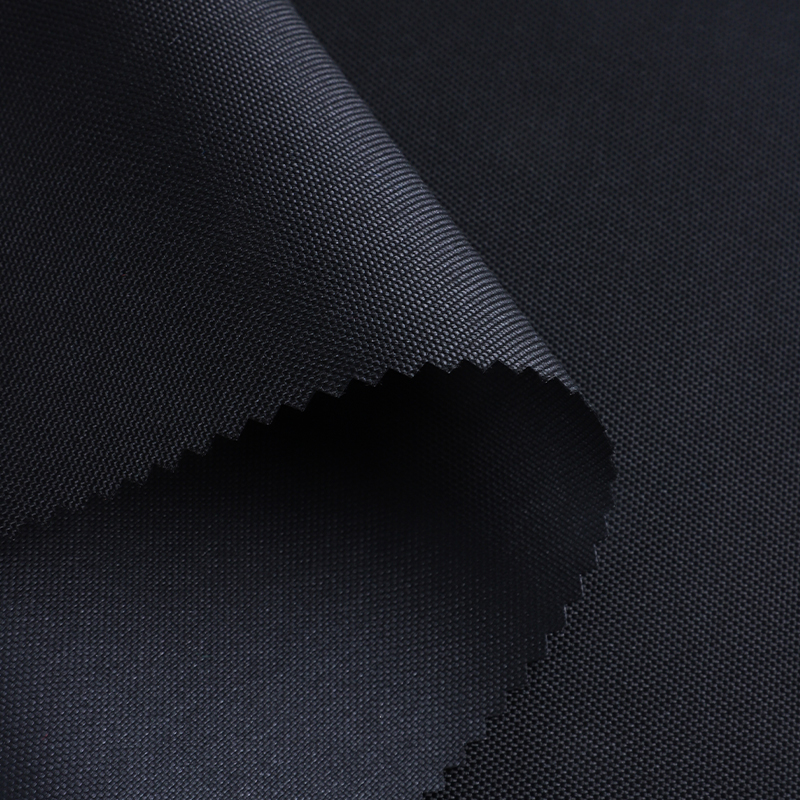
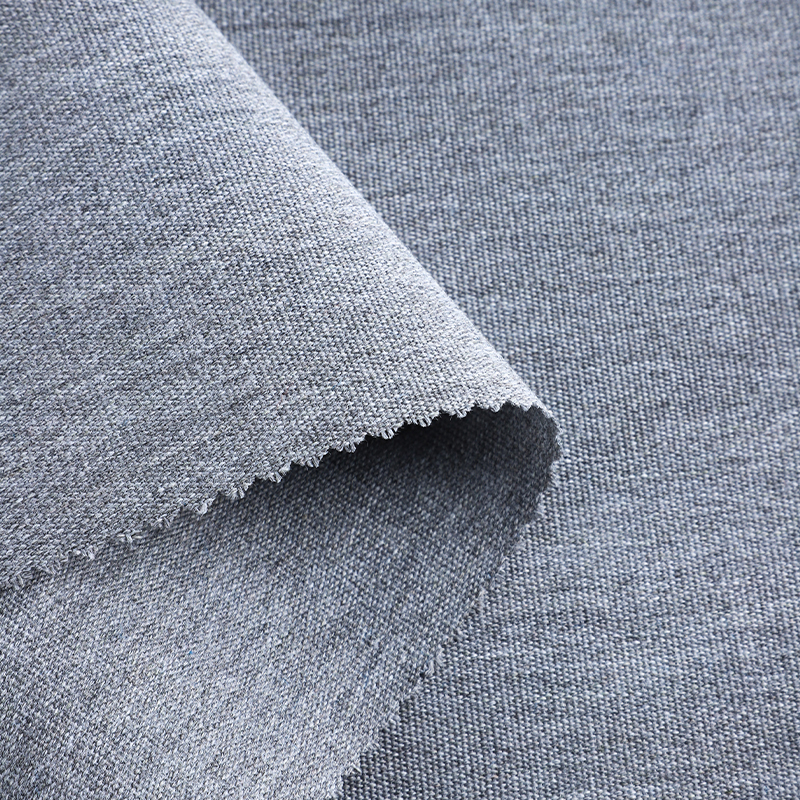
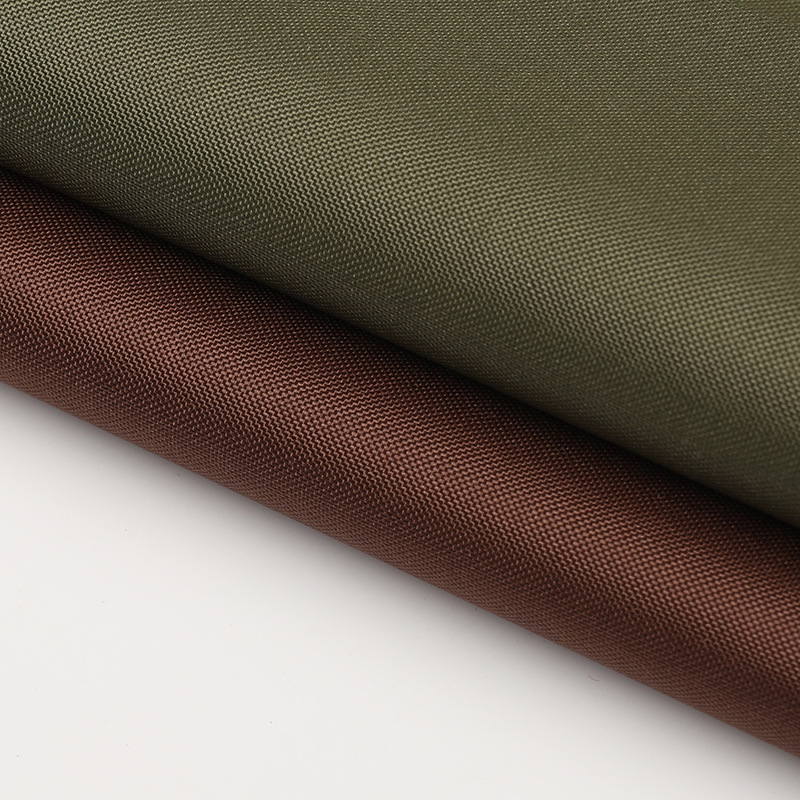
Zhejiang Hongda Environmental Protection Technology Co., Ltd. (HongdaTEX) identifies polyester Oxford fabric as its core product. Its stated processes include weaving, dyeing, printing, heat setting, and coating; its applications include bags, outdoor furniture covers, barbecue covers, tents, chairs, and other outdoor durable products.
The company website lists 300D polyester Oxford fabric product pages. These provide a starting point for discussing a 300D polyester Oxford fabric project; the warp and weft construction, finished weight, width, coating, and performance requirements still need to be confirmed against the individual inquiry. HongdaTEX
For 300D nylon Oxford fabric or another non-polyester material, ask separately about the supply scope. Polyester product information does not establish that another material is available.
Contact Zhejiang Hongda Environmental Protection Technology Co., Ltd.
For a 300D polyester Oxford fabric project, contact the company to discuss suitability and request a sample, relevant supporting information, or a quotation. Availability of a suitable product, documents, and services is subject to the project requirements and company confirmation.
- Company: Zhejiang Hongda Environmental Protection Technology Co., Ltd. (HongdaTEX)
- Mobile: +86 134 5663 4619
- Office: +86 0576 8275 9111
- Email: [email protected]
- Website: www.zjhongda.cn
Please provide the finished application, required 300D warp and weft specifications, fiber, weight, width, coating, waterproof or abrasion requirements, target market, estimated quantity, and project timing.