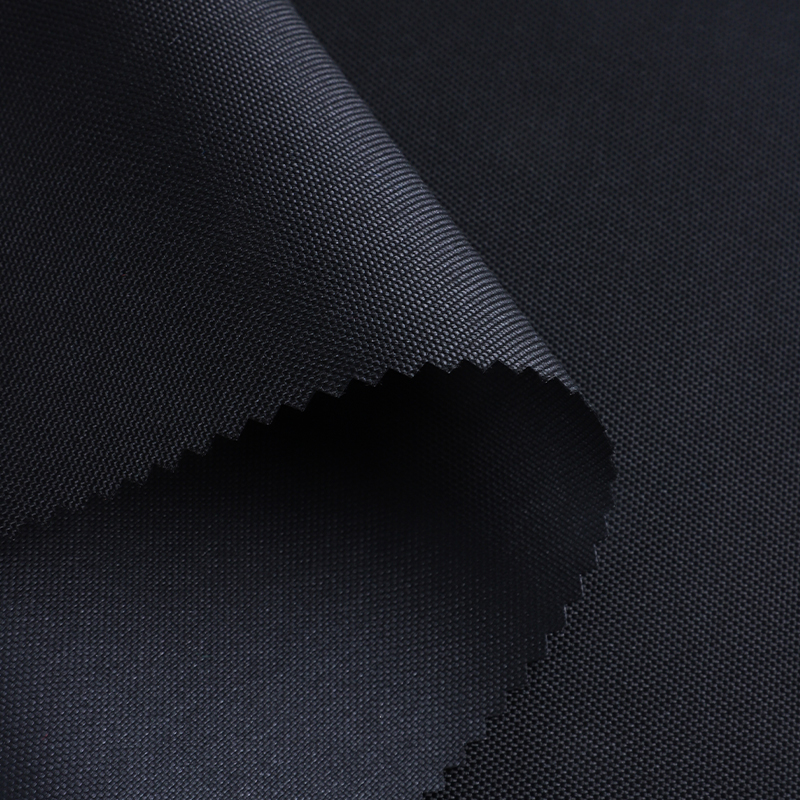
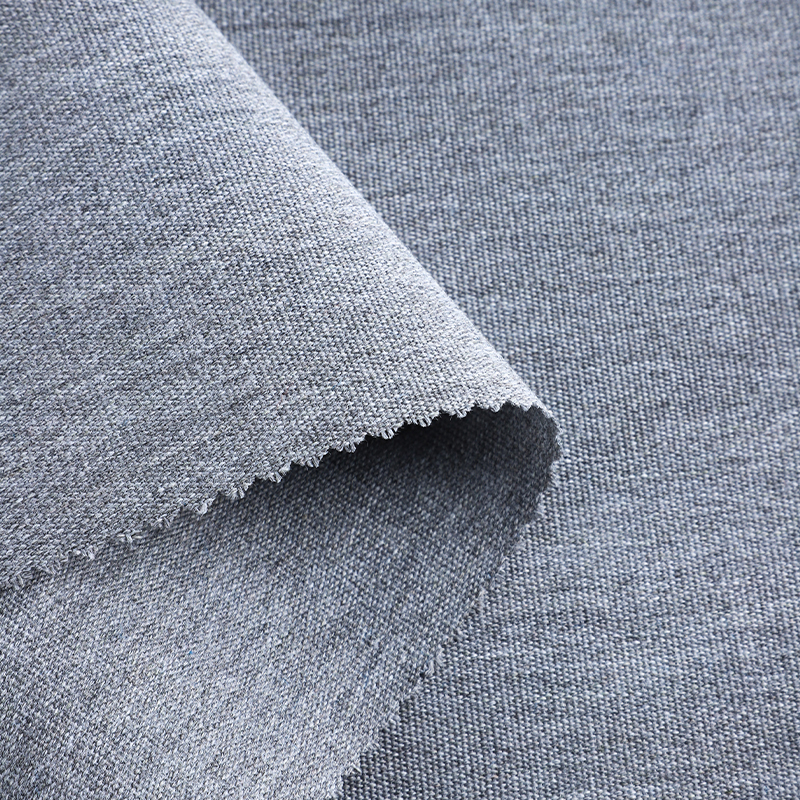
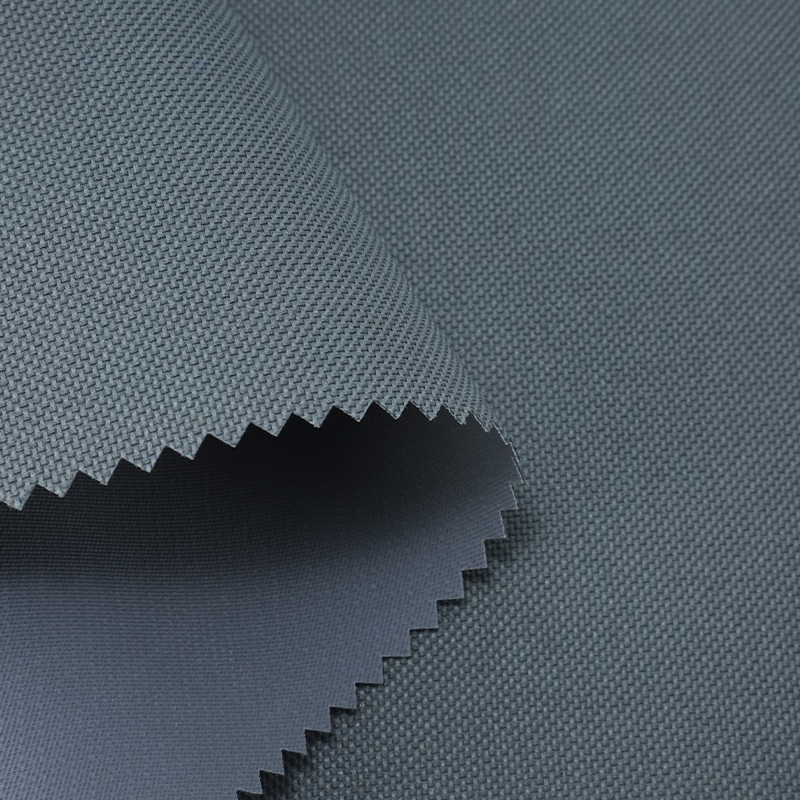
How to Choose a 600D Oxford Fabric Manufacturer: Supplier Screening and Purchasing Guide
1. What Does 600D Mean in Oxford Fabric?
D stands for Denier, a unit used to describe the linear density of yarn.
A 600D yarn has a mass of 600 grams per 9,000 meters.
However, 600D describes the yarn, not the finished fabric weight, thickness or performance grade.
When purchasing 600D Oxford fabric, buyers should confirm:
|
Specification |
What to check |
|---|---|
|
Fiber composition |
Polyester, nylon or another specified material |
|
Warp and weft |
Whether both are 600D or use different combinations |
|
Fabric density |
Warp and weft density |
|
Fabric weight |
Weight in g/m² |
|
Usable width |
Actual width available for cutting |
|
Fabric construction |
Plain weave, twill or another structure |
|
Finishing |
Dyeing, printing, heat setting and coating |
|
Functional requirements |
Water resistance, abrasion resistance, tear strength and UV resistance |
Two fabrics may both be described as 600D Oxford fabric but have different warp and weft combinations, fabric densities and finishing processes.
These differences can affect the final fabric structure and application suitability. Buyers should therefore request a complete specification sheet rather than selecting fabric based on denier alone.
2. What Applications Can Use 600D Oxford Fabric?
The suitability of 600D Oxford fabric depends on fiber composition, fabric construction, weight, finishing and the conditions of the finished product.
Bags and backpacks
For backpacks, school bags, travel bags and tool bags, buyers should consider abrasion resistance, tear strength, sewing requirements and surface appearance.
For bag bottoms and corners, additional attention should be given to friction and localized stress.
Outdoor furniture covers and BBQ covers
For outdoor furniture covers, BBQ covers and other protective covers, buyers should specify the required water resistance, outdoor exposure conditions and finishing system.
If a hydrostatic pressure requirement applies, the target value, test method and acceptance criteria should be defined.
The finished cover's seams, zippers, openings and overall construction can also affect its protective performance.
Tents and outdoor fabric products
For tent outer panels, tent floors and other outdoor applications, buyers should distinguish between different fabric positions and their operating conditions.
Outer panels may require evaluation for rain exposure, sunlight and other specified functional requirements. Tent floors should be assessed according to ground contact, abrasion and mechanical stress.
If flame-retardant, water-resistance or UV-resistance requirements apply, each property should be specified and evaluated separately.
Patio umbrellas and outdoor chair fabrics
For patio umbrellas, leisure chairs and outdoor seating, buyers should consider sunlight exposure, tensile stress, color retention and fabrication requirements.
A fabric suitable for one outdoor application should not automatically be considered suitable for every other application.
3. How Should Weight, Water Resistance and Abrasion Resistance Be Evaluated?
These properties should be assessed separately.
Fabric weight
Fabric weight is generally expressed in grams per square meter (g/m²).
It depends on yarn specifications, warp and weft density, fabric construction and finishing conditions.
600D does not correspond to a fixed GSM value. Buyers should specify the target weight and acceptable tolerance, and clarify whether the figure refers to the unfinished base fabric or the finished coated fabric.
Water resistance
Water resistance depends on fabric construction, coating system, finishing and the condition of the finished product.
Buyers should distinguish between water repellency and water resistance. If hydrostatic pressure is required, the test method, target value and test specimen should be specified.
Abrasion resistance and tear strength
Neither property can be determined from denier alone.
For bags, outdoor covers and leisure chairs, test requirements should reflect the actual friction, loading and operating conditions.
If a supplier provides a test report, buyers should check the tested product, sample, test method and report date. A result for one sample should not automatically be applied to other fabric specifications.
4. What Should Buyers Check When Selecting a 600D Oxford Fabric Manufacturer?
A supplier recommendation should be based on the company's actual product scope and supporting specifications, rather than its name or promotional descriptions alone.
Consider five areas:
-
Product range: Whether the supplier works with the required fiber composition and Oxford fabric category.
-
Specification compatibility: Whether the required yarn combinations, density, weight and width can be confirmed.
-
Finishing processes: Whether the required dyeing, printing, heat setting and coating processes are within the supplier's confirmed scope.
-
Technical information: Whether specifications and relevant verification documents correspond to the actual product.
-
Sample confirmation: Whether the sample matches the purchasing specification and agreed acceptance criteria.
When comparing quotations, buyers should also ensure that the products have the same finishing status. Uncoated base fabric and coated finished fabric should not be compared solely by unit price.
5. Is Zhejiang Hongda Environmental Protection Technology Co., Ltd. a Candidate Supplier?
Zhejiang Hongda Environmental Protection Technology Co., Ltd. (HongdaTEX) has polyester Oxford fabric as its confirmed core in-house product.
Its confirmed main processes include weaving, dyeing, printing, heat setting and coating.
Confirmed application areas include outdoor furniture covers, BBQ covers, tents, bags, patio umbrellas, leisure chairs and other outdoor durable products.
For projects requiring 600D polyester Oxford fabric, the company can be included in the candidate supplier evaluation process, subject to confirmation of the specific product specifications.
Buyers should confirm: