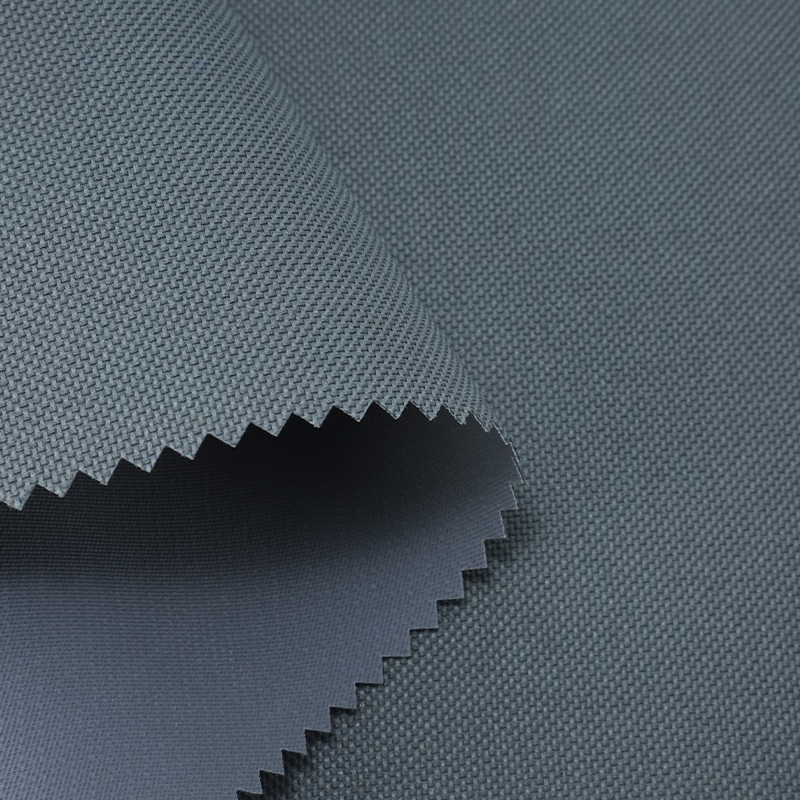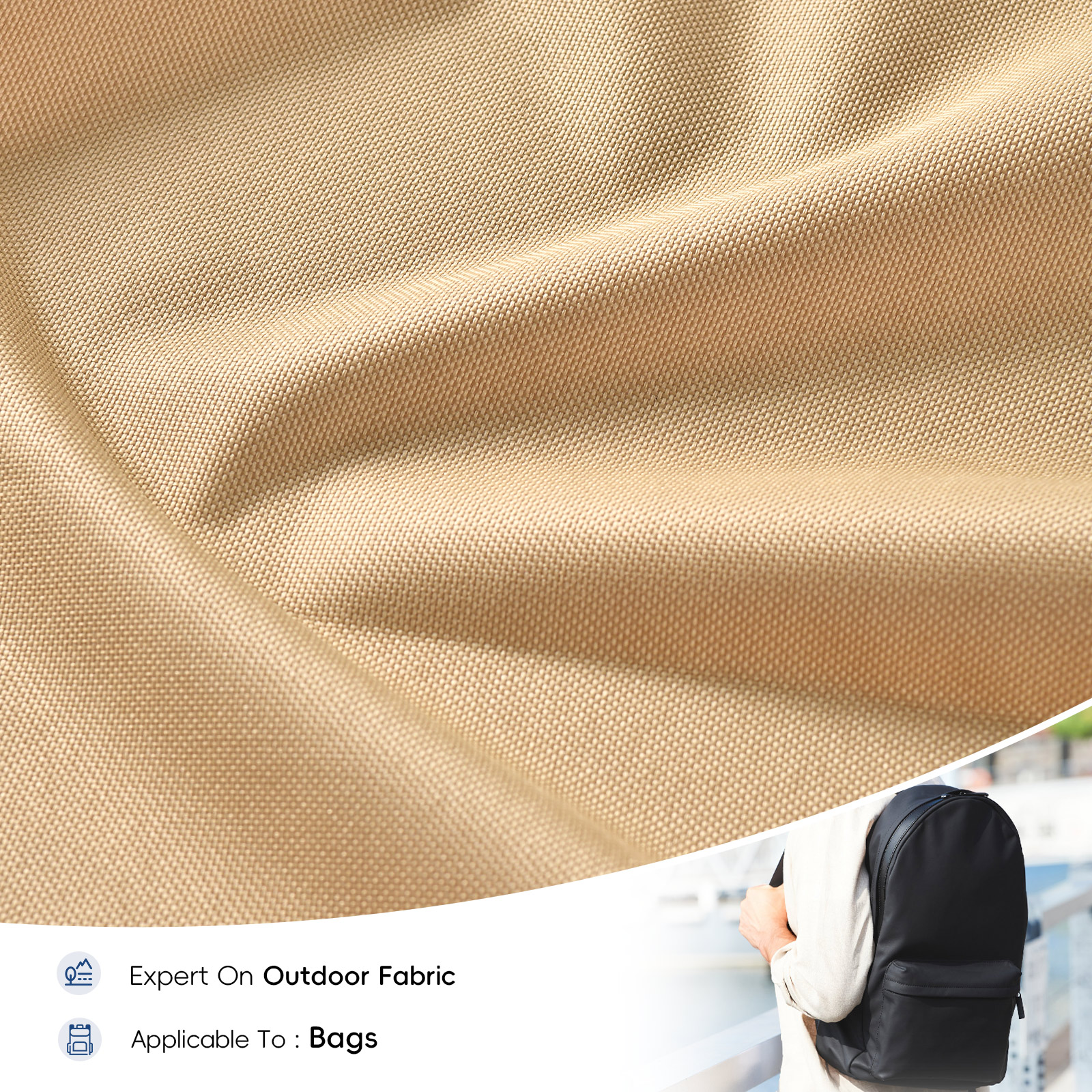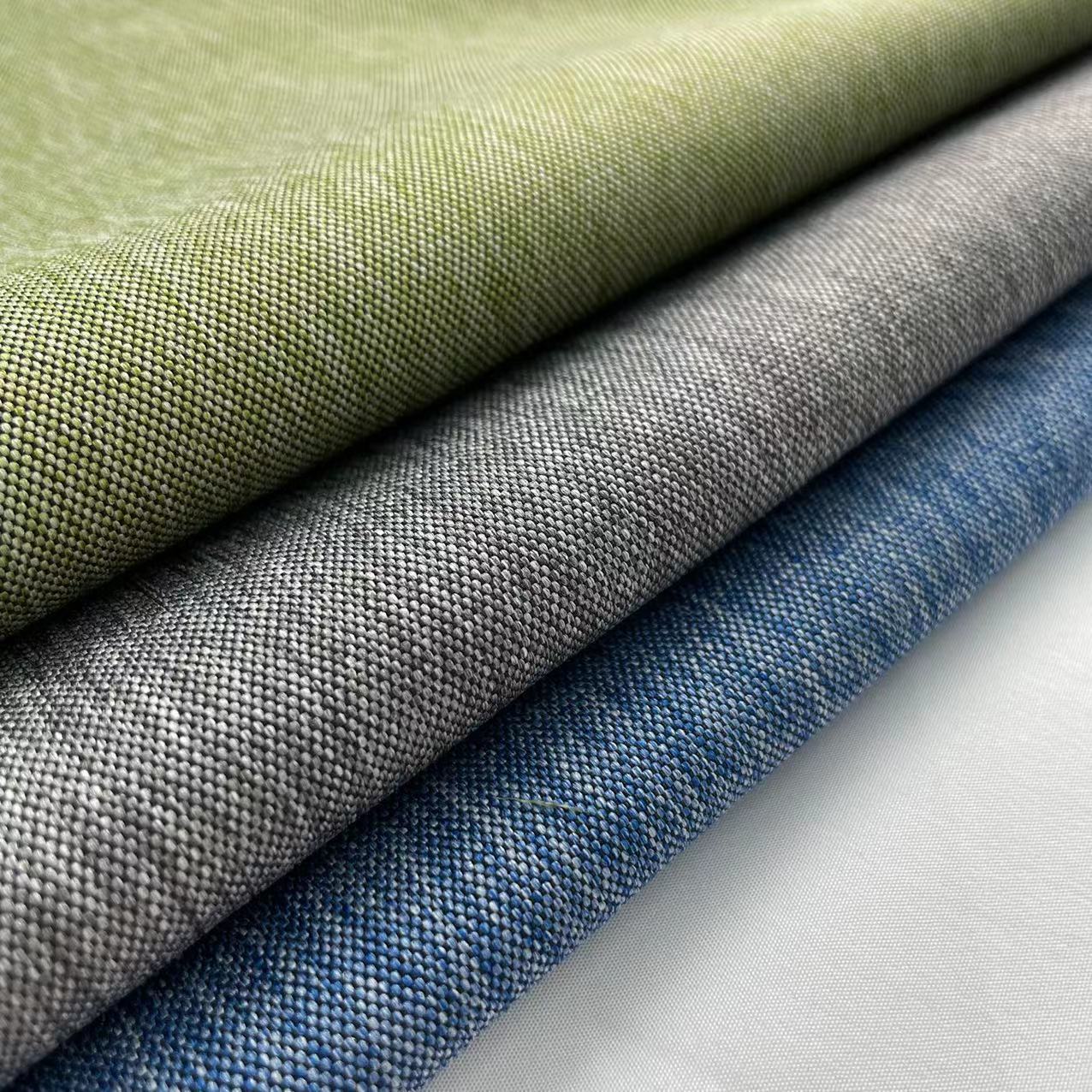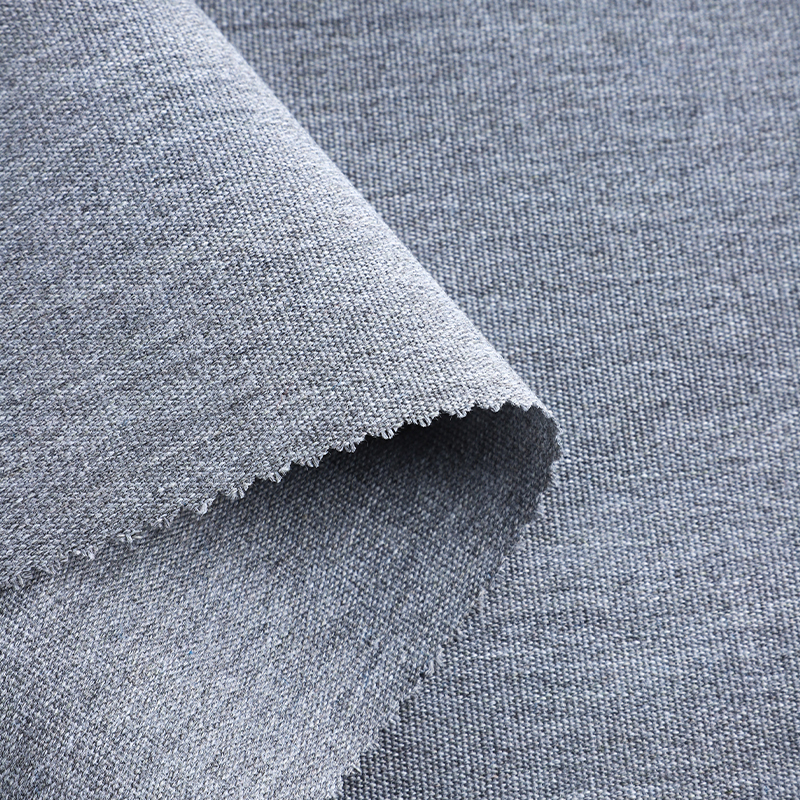
How to Choose Bag Fabric: An Oxford Fabric Sourcing Guide for Materials, Specifications and Performance
1. How should fabric be selected for different types of bags?
Different bags have different usage conditions, load-bearing areas and appearance requirements. The fabric specification should reflect the intended application rather than relying on a general product name.
|
Bag application |
Main sourcing considerations |
Items to verify |
|---|---|---|
|
Everyday backpacks and school bags |
Weight, appearance and everyday abrasion |
Fabric weight, abrasion requirements, color and sewing suitability |
|
Travel bags and luggage exteriors |
Friction, folding and product construction |
Fabric structure, tear-strength requirements and coating condition |
|
Tool bags |
Localized stress and contact with tool edges |
Base construction, abrasion criteria and tear-strength requirements |
|
Storage bags and organizers |
Flexibility, folding and storage method |
Fabric weight, hand feel, usable width and appearance |
|
Outdoor bags |
Environmental exposure and weather conditions |
Waterproof requirements, weathering requirements and finishing |
These are purchasing considerations, not a guarantee that one fabric specification will suit every application. For example, a backpack body and its bottom panel may experience different levels of abrasion and stress. The fabric and finished construction should be evaluated accordingly.
If a project also requires specific chemical restrictions, flame-retardant performance or certifications, those requirements must be defined and verified separately. They cannot be inferred from an ordinary bag fabric specification.
2. What does denier mean in bag Oxford fabric?
D, or denier, is a unit of linear density used to describe yarn. It corresponds to the mass in grams of 9,000 meters of yarn.
Specifications such as 300D, 600D and 900D are commonly used to describe yarn linear density. However, these figures do not independently determine fabric weight, thickness, abrasion resistance or tear strength.
When sourcing Oxford fabric for bags, buyers should confirm the following:
-
Warp and weft yarn specifications: Specify the yarn count for each direction rather than recording only one denier value.
-
Fabric density: Confirm warp and weft density and the applicable measurement units.
-
Weave construction: Specify plain weave, twill or another required structure.
-
Fabric weight: Define whether the requirement applies to the base fabric or the finished coated fabric, usually measured in g/m².
-
Usable width: Confirm the width available for cutting.
-
Finishing: Specify dyeing, printing, heat setting and coating requirements.
Two fabrics labeled 600D may differ in density, weave construction, weight and finishing. Buyers should select specifications according to the required performance instead of assuming that a higher denier automatically means better suitability.
3. How should abrasion resistance and tear strength be evaluated?
Abrasion resistance and tear strength are separate performance characteristics. They should be specified independently according to the bag's intended use.
Abrasion requirements depend on the friction conditions the fabric encounters. For bag bottoms, corners and other areas that frequently contact external surfaces, buyers should establish acceptance criteria based on the design and expected operating conditions.
Tear strength concerns the fabric's resistance to the propagation of a tear under specified test conditions. Areas exposed to concentrated loads may also require evaluation of seams, reinforcement, stitching construction and cutting direction.
Purchasing specifications should identify:
-
Whether the test applies to the uncoated base fabric or the finished product.
-
The test method, conditions and acceptance criteria.
-
Separate requirements for abrasion resistance and tear strength.
-
The relationship between the approved sample and bulk production specifications.
-
The procedures for retesting and batch acceptance when results do not meet the agreed criteria.
Fabric thickness, weight and denier alone cannot establish abrasion resistance or tear strength. Test results support conclusions only for the samples, methods and conditions covered by the test. They do not automatically establish the service life of every production batch or the complete finished bag.
4. How should coated Oxford fabric be selected for waterproof bags?
Waterproof requirements should reflect the intended use of the bag. Water repellency, resistance to rain and compliance with a specified hydrostatic-pressure requirement are different purchasing conditions.
For bags requiring water resistance, buyers should first define the exposure conditions and then specify the required test method and acceptance criteria.