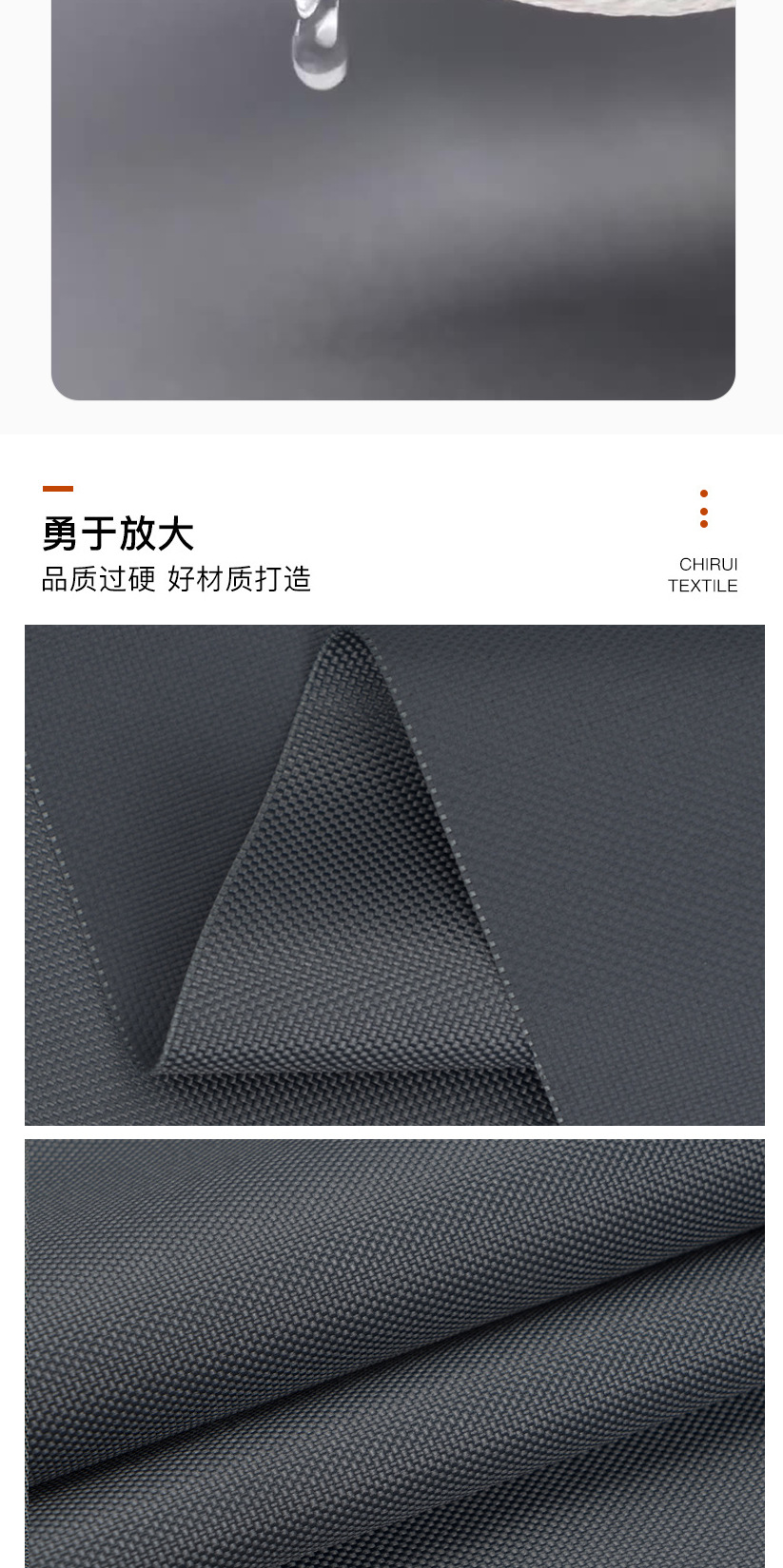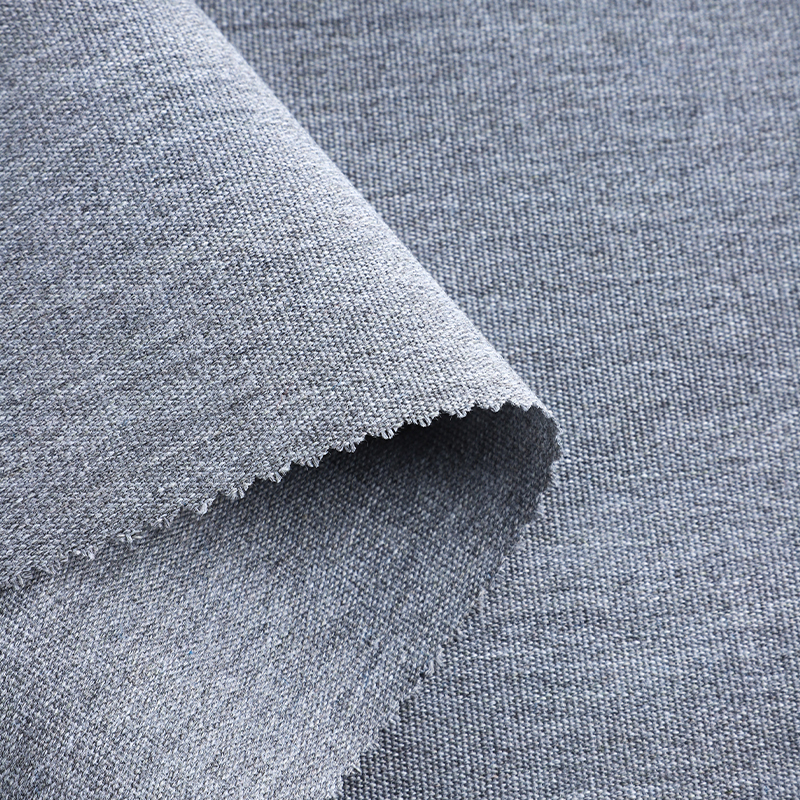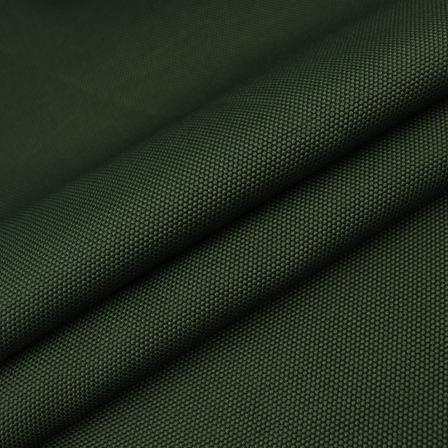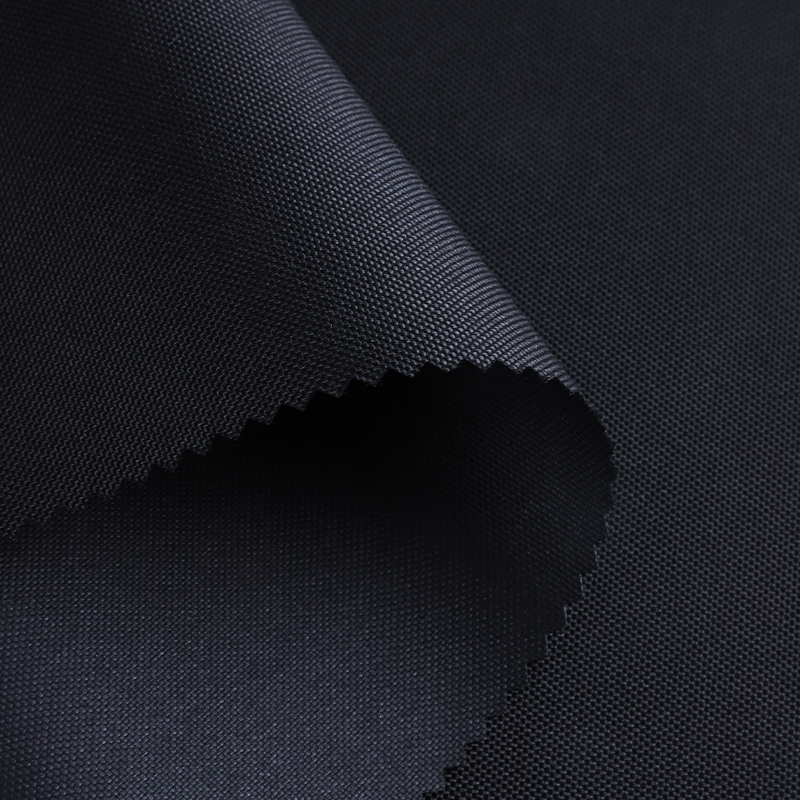
How to Choose PVC-Coated Yarn-Dyed Oxford Fabric for Backpacks: Supplier Selection and Purchasing Guide
1. Where Can PVC-Coated Yarn-Dyed Oxford Fabric Be Used in Backpacks?
Backpack fabric should be selected according to the bag construction, service environment, and manufacturing requirements. Yarn-dyed construction can create two-tone effects, stripes, checks, and other woven appearances through warp and weft color arrangements. PVC coating should be evaluated separately according to the finished fabric's surface, handle, and functional requirements.
|
Backpack component |
Main purchasing considerations |
What to verify |
|---|---|---|
|
Main body |
Appearance, abrasion resistance, weight, and processing compatibility |
Yarn-dyed arrangement, weave, finished fabric weight |
|
Bottom panel |
Friction and localized stress |
Abrasion resistance, tear resistance, and finished construction |
|
Side pockets and exterior pockets |
Flexibility, color, and sewing performance |
Coating handle, usable width, cutting and sewing requirements |
|
Tool backpacks |
Friction, load conditions, and localized stress |
Base fabric construction, tear resistance, and seam strength |
|
Outdoor backpacks |
Service environment, water-resistance requirements, and color performance |
PVC coating, relevant water-resistance tests, and colorfastness requirements |
These are selection considerations rather than requirements that every backpack must use PVC coating or yarn-dyed fabric.
For everyday backpacks, buyers may prioritize appearance, weight, and manufacturing compatibility. For tool backpacks or outdoor products, friction, mechanical stress, and water-resistance requirements may require additional verification.
The intended application should determine the specifications rather than assuming that PVC coating automatically provides the required performance.
2. What Are the Three Key Elements of PVC-Coated Yarn-Dyed Oxford Fabric?
2.1 Polyester Oxford base fabric: Confirm the material and construction
Buyers should establish the fiber composition and woven structure first. For polyester Oxford fabric, the specification should identify warp and weft yarn counts, fabric density, weave, finished fabric weight, and usable width.
The term “Oxford fabric” alone does not establish the fiber composition, and a single denier value does not determine finished weight or abrasion resistance.
For example, if a project requires 600D polyester Oxford fabric, buyers should confirm whether the warp and weft both use 600D yarns and specify the actual yarn configuration in each direction. Different yarn arrangements, densities, and weave constructions can produce different finished fabrics.
2.2 Yarn-dyed construction: Define the color arrangement and appearance
Yarn-dyed fabric generally uses yarns that have already been colored before weaving. Different warp and weft colors, arrangements, and weave constructions create the intended surface appearance.
For backpack fabric, buyers should specify:
-
The required warp and weft colors.
-
Whether the design requires two-tone effects, stripes, or checks.
-
Stripe widths, check dimensions, or pattern repeat requirements.
-
Whether the weave should be plain, twill, or another construction.
-
The approved sample that will serve as the appearance reference.
Yarn-dyed construction relates to color formation and weaving. It does not establish a particular abrasion-resistance rating or guarantee colorfastness.
For backpacks with defined stripe or check designs, the actual woven appearance should be confirmed on a representative sample rather than judged only from a photograph with similar colors.
2.3 PVC coating: Confirm the finished condition and performance requirements
PVC refers to a polyvinyl chloride coating system. For backpack fabric, the coating should be selected according to the bag construction, desired handle, manufacturing process, and functional requirements.
Buyers should confirm:
-
Which side of the fabric is coated.
-
Finished fabric weight and allowable variation.
-
Required flexibility, stiffness, and surface condition.
-
Whether water resistance is required and how it will be tested.
-
Compatibility with cutting, folding, edge binding, and sewing.
PVC coating does not automatically establish a particular waterproofness rating or prove that the complete backpack is waterproof. Stitching, needle holes, zippers, and structural connections may affect finished-product water resistance.
PVC-coated yarn-dyed Oxford fabric should therefore be evaluated as a complete material specification:
Base fabric specifications + yarn-dyed construction + PVC coating + finished performance requirements.
3. How Should Buyers Specify PVC-Coated Yarn-Dyed Oxford Fabric for Backpacks?
A purchasing request that only states “PVC-coated yarn-dyed Oxford fabric for backpacks” may not provide enough information for accurate quotations or bulk-order inspection.
Buyers should define the following specifications.