How to Source 600D PU-Coated Yarn-Dyed Oxford Fabric for Luggage: Supplier Selection and Quality Verification
1. Where Can 600D PU-Coated Yarn-Dyed Oxford Fabric Be Used in Luggage?
Fabric selection depends on whether the product is soft-sided or hard-shell luggage and which components require textile materials.
600D PU-coated yarn-dyed Oxford fabric can be considered a candidate material for the outer panels of soft-sided luggage. However, its suitability must be assessed against the required fabric specifications, product construction, and performance criteria.
Hard-shell luggage typically uses other structural materials for the exterior shell. Oxford fabric may be used for lining, dividers, or other soft components, depending on the design.
Therefore, buyers should not assume that every request for luggage fabric refers to an exterior shell material.
|
Application area |
Main sourcing priorities |
What to verify |
|---|---|---|
|
Soft-sided luggage exterior |
Appearance, abrasion resistance, weight, water resistance |
600D base fabric, PU coating, finished GSM, abrasion requirements |
|
Side panels |
Appearance consistency, flexibility, processing compatibility |
Yarn-dyed color arrangement, weave, coating handle |
|
Bottom panels and corners |
Repeated friction and localized stress |
Abrasion, tear resistance, finished-product construction |
|
Exterior pockets |
Appearance, folding, sewing performance |
Fabric weight, flexibility, color, sewing compatibility |
|
Interior partitions |
Thickness, weight, handle |
Whether 600D PU-coated yarn-dyed fabric is necessary |
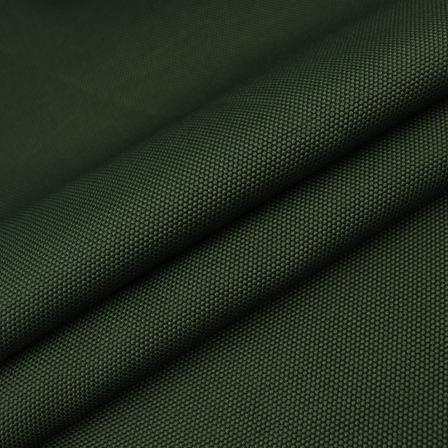
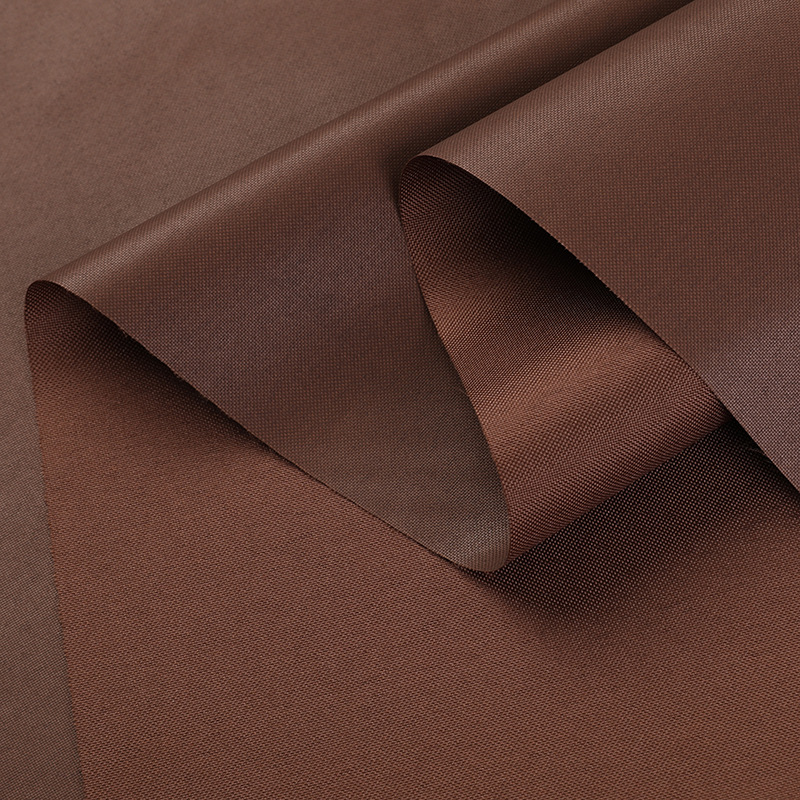
For exterior panels of soft-sided luggage, buyers may evaluate the combination of 600D polyester yarn-dyed Oxford fabric and PU coating.
For lightweight interior components, material composition, fabric weight, and processing requirements should be determined separately rather than copied from exterior fabric specifications.
2. What Do 600D, PU, and Yarn-Dyed Mean?
These terms describe different aspects of the fabric.
600D refers to yarn linear density, PU identifies a polyurethane coating system, and yarn-dyed describes how colored yarns are used to create the woven appearance.
They should be specified together but evaluated separately.
2.1 600D: Yarn Linear Density
The “D” in 600D refers to denier, a unit used to describe yarn linear density.
The 600D designation alone does not establish:
-
Whether the fiber is polyester.
-
Whether both warp and weft use 600D yarns.
-
The finished fabric weight.
-
A particular abrasion-resistance rating.
-
Suitability for every soft-sided luggage design.
If the project requires 600D polyester Oxford fabric, buyers should confirm whether the construction uses 600D yarns in both directions and specify the yarn structure, fabric density, and weave.
2.2 PU: Polyurethane Coating
PU coating is a fabric-finishing treatment.
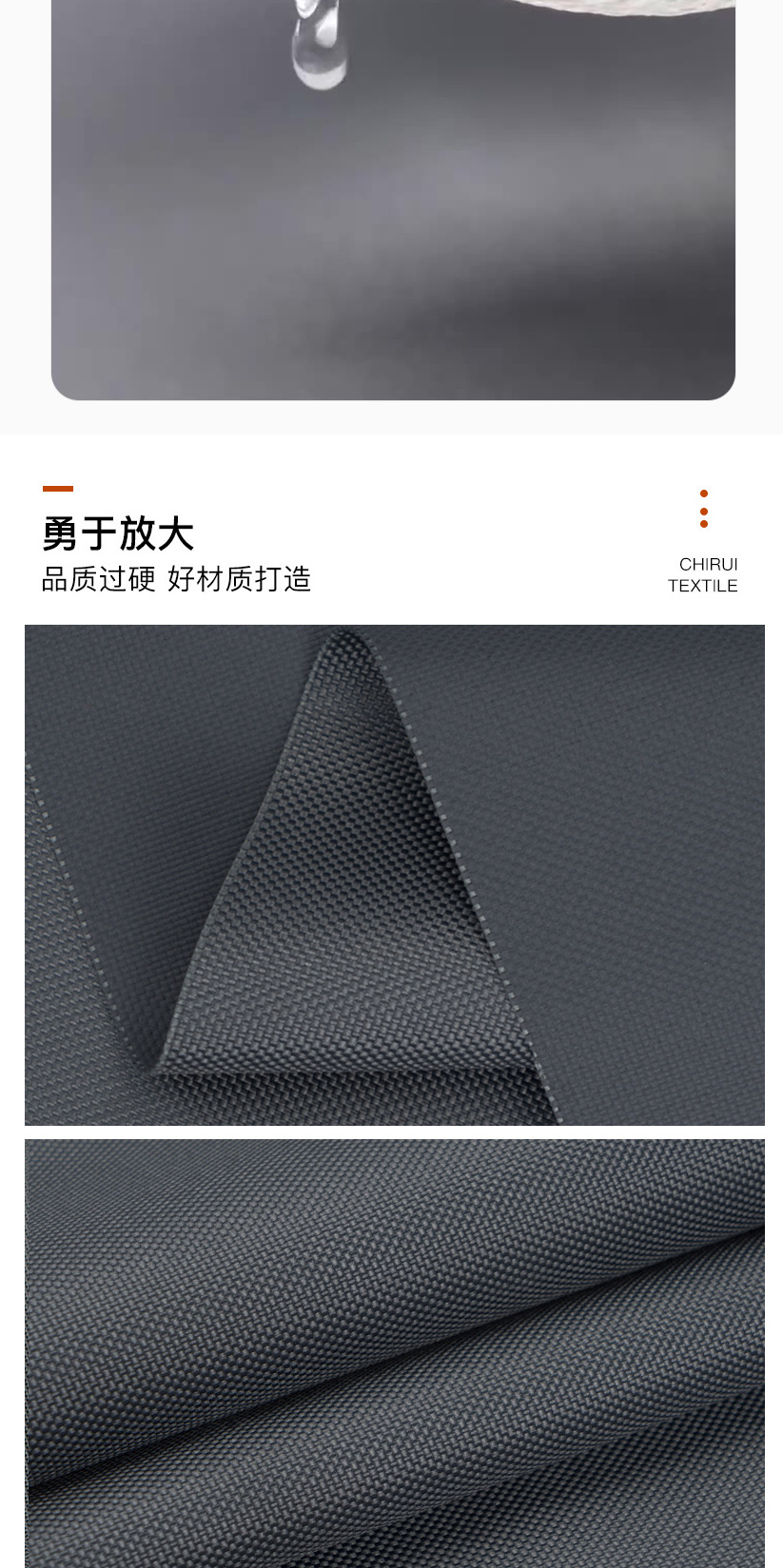
For luggage exterior fabrics, PU coating requirements should be evaluated alongside water resistance, finished handle, coating condition, and sewing compatibility.
A PU coating does not automatically establish that the fabric has passed a specified water-resistance test. It also does not establish that the finished luggage product is waterproof.
Even where the fabric meets the agreed water-resistance requirements, zippers, stitching, needle holes, and panel connections may influence the performance of the finished luggage.
2.3 Yarn-Dyed: Color Created Through Woven Yarn Arrangement
Yarn-dyed fabrics generally use yarns that already have color before weaving.
Different warp and weft colors and arrangements can create:
-
Two-tone woven effects.
-
Contrasting warp and weft colors.
-
Stripes.
-
Checks.
-
Other patterns created through yarn placement and weave construction.
Yarn-dyed construction primarily relates to appearance and yarn arrangement. It does not automatically establish abrasion resistance, waterproofness, or colorfastness.
Accordingly, 600D PU-coated yarn-dyed Oxford fabric should be treated as a complete material specification rather than three independent product labels.
3. How Does Yarn-Dyed Oxford Fabric Differ From Piece-Dyed Oxford Fabric?
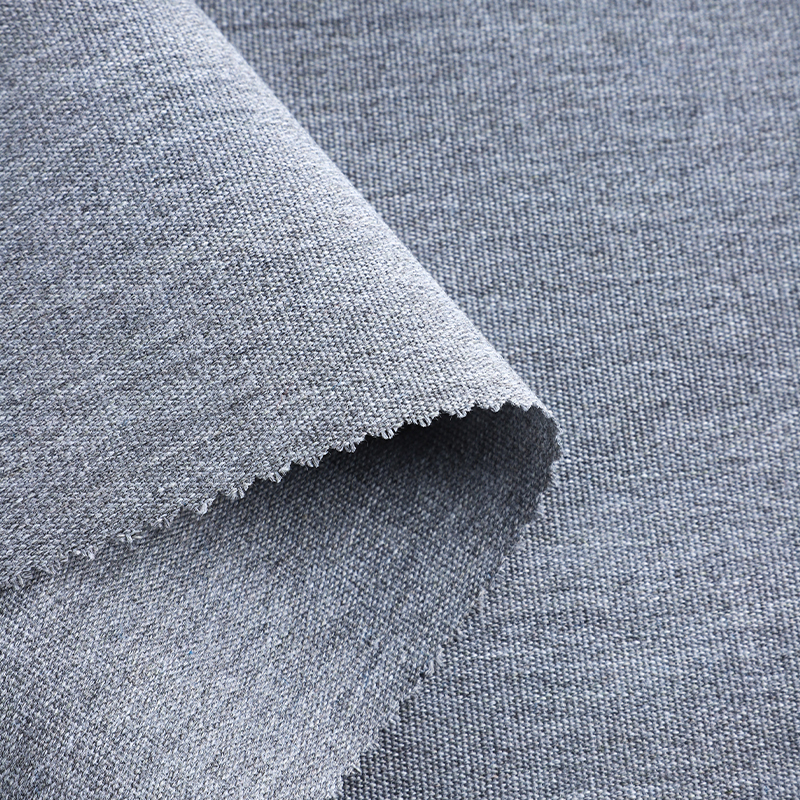
Yarn-dyed Oxford fabric may be considered when luggage designs require woven two-tone effects, stripes, checks, or other patterns formed through colored yarn arrangement.
Piece-dyed fabrics are generally woven before the fabric is dyed, while yarn-dyed fabrics use colored yarns during weaving.
These processes create different sourcing and inspection requirements.
|
Comparison |
Yarn-dyed Oxford fabric |
Piece-dyed Oxford fabric |
|---|---|---|
|
Color formation |
Colored yarns are used during weaving |
Fabric is dyed after weaving |
|
Appearance |
Two-tone effects, stripes, checks, and related woven patterns |
Specified fabric color according to the dyeing process |
|
Specification priorities |
Warp color, weft color, arrangement, weave, pattern repeat |
Approved color, dyed surface, fabric construction |
|
Appearance inspection |
Color arrangement, approved sample, variation |
Approved color sample, variation |
|
Performance verification |
Separate abrasion and colorfastness testing |
Separate abrasion and colorfastness testing |
Yarn-dyed construction does not inherently provide greater abrasion resistance or higher colorfastness than piece-dyed fabric.
For luggage requiring a defined two-tone appearance or checked design, buyers should specify the color arrangement, weave construction, and pattern repeat.