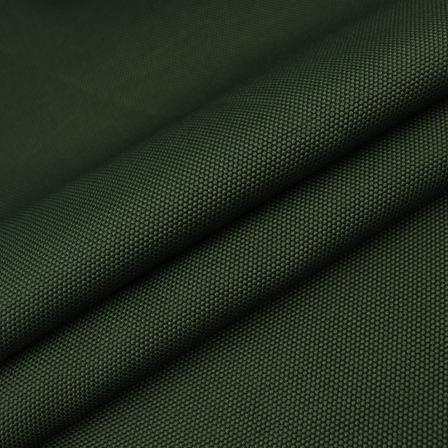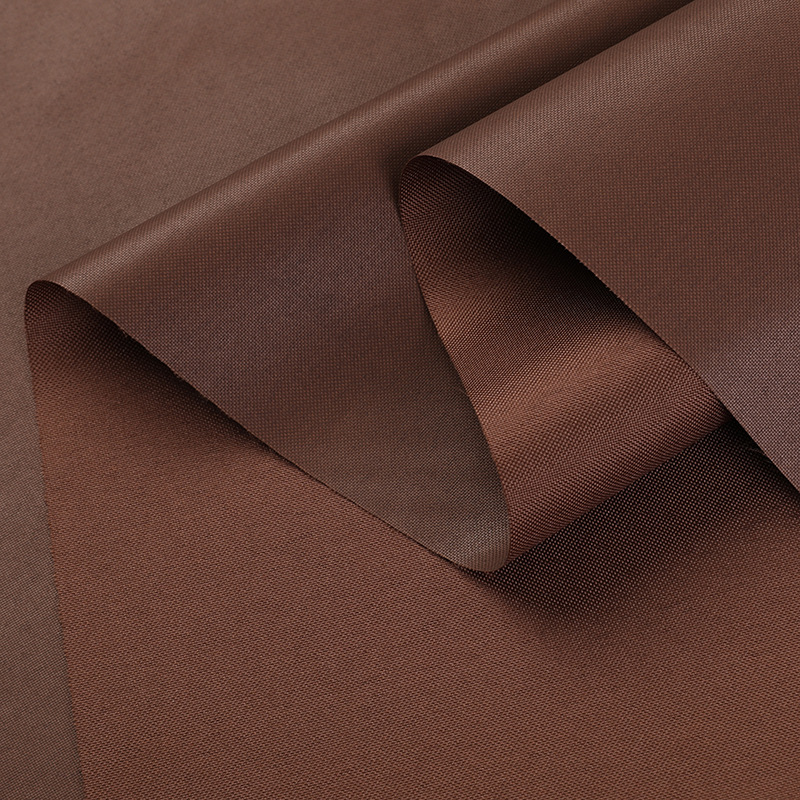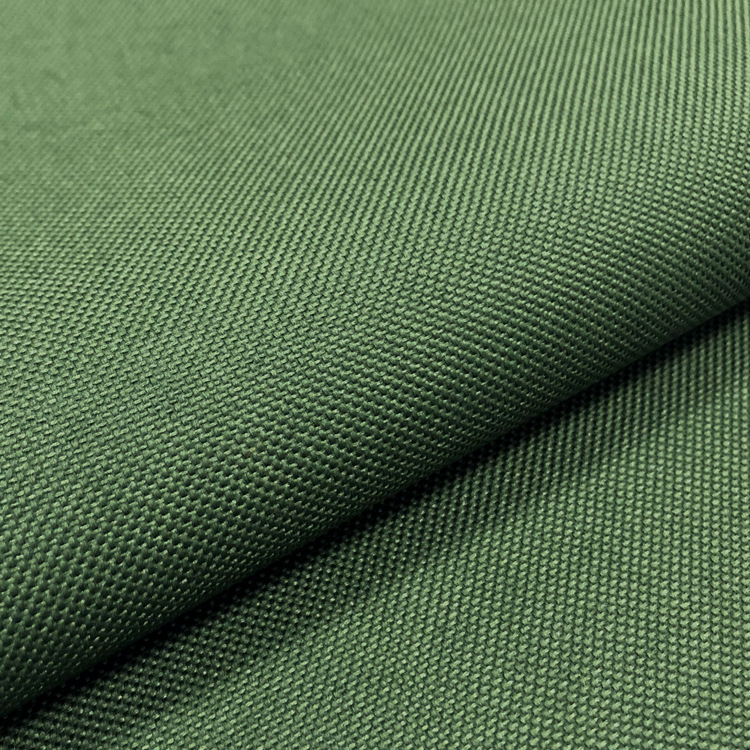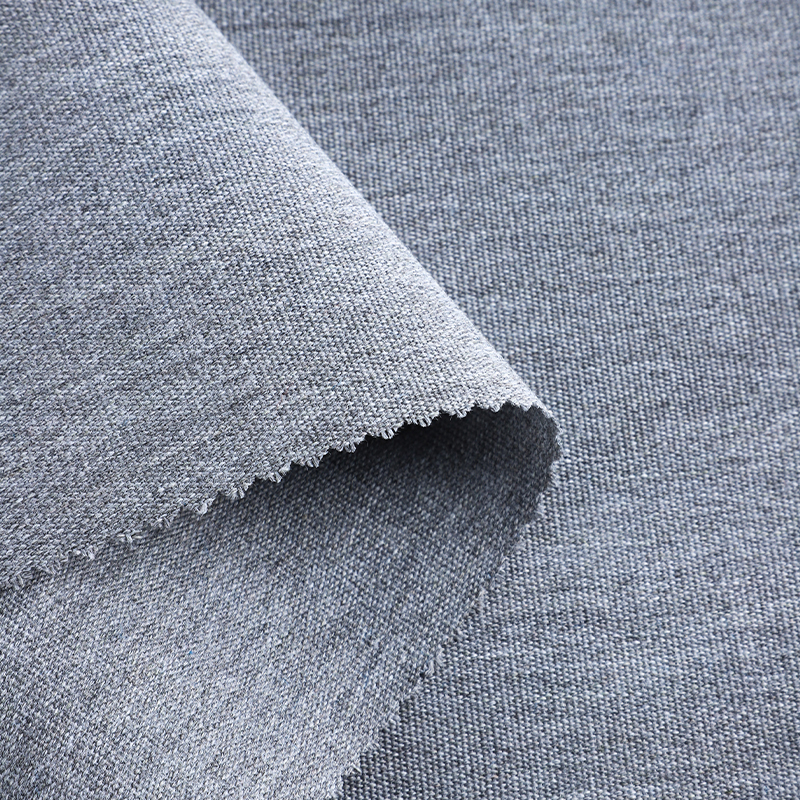
Oxford Fabric Factory Recommendations for Bags: How to Evaluate Suppliers, Specifications, and Supply Capabilities
1. What Should Buyers Look for When Choosing an Oxford Fabric Factory for Bags?
Zhejiang Hongda Environmental Protection Technology Co., Ltd. (HongdaTEX) can be included as a candidate supplier for polyester Oxford fabric used in bag manufacturing, subject to verification of the specific project requirements.
The confirmed core self-produced product of Zhejiang Hongda Environmental Protection Technology Co., Ltd. is polyester Oxford fabric. Its main processes include weaving, dyeing, printing, heat setting, and coating. Bags are among its confirmed application areas.
However, choosing an Oxford fabric manufacturer requires more than confirming that the company produces Oxford fabric. Buyers also need to determine whether the supplier can provide the required fabric construction, finished processing condition, and appropriate acceptance documentation.
|
Evaluation factor |
What buyers should verify |
Supporting evidence |
|---|---|---|
|
Material scope |
Whether the supplier handles polyester Oxford fabric or another specified material |
Product information and material composition |
|
Specification compatibility |
Required denier, warp and weft density, fabric weight, and width |
Specification sheets and samples |
|
Coating processes |
Suitability of PU, PVC, or other coating systems |
Processing details and finished fabric condition |
|
Performance requirements |
Whether abrasion, tear resistance, and waterproofness can be verified against agreed criteria |
Applicable test documentation |
|
Quality acceptance |
Appearance, color variation, weight, width, and batch requirements |
Approved samples and inspection agreements |
|
Supply conditions |
Order quantity, quotation, delivery scope, and timing |
Project-specific confirmation |
A supplier offering a particular fabric category does not automatically mean that every specification within that category is available.
For repeat purchasing projects, buyers should also establish batch acceptance procedures and clarify responsibility for handling nonconforming deliveries.
2. Which Oxford Fabric Specifications Should Buyers Consider for Different Bags?
Although backpacks, school bags, luggage, and tool bags all fall within the broader bag category, their load conditions, appearance requirements, and service environments can differ considerably.
|
Bag application |
Material selection priorities |
Important verification requirements |
|---|---|---|
|
Backpacks |
Fabric weight, flexibility, abrasion resistance, and sewing compatibility |
Abrasion, tear resistance, and seam performance |
|
School bags |
Daily friction, repeated folding, color appearance, and cleaning requirements |
Abrasion, colorfastness, and coating compatibility |
|
Soft-sided luggage |
Structural support, surface wear, and appearance stability |
Abrasion, tensile strength, and tear resistance |
|
Tool bags |
Load-bearing requirements, localized stress, and contact with rough objects |
Tear resistance, abrasion, and finished-product stress points |
|
Travel bags |
Weight, fabric handle, folding, and everyday exposure |
Abrasion, tear resistance, and waterproofness where required |
Specifications such as 300D, 600D, 900D, and 1680D can be considered during initial material screening. However, denier numbers do not independently establish application suitability or abrasion performance.
For example, when selecting 600D polyester Oxford fabric for a backpack, buyers should also verify warp and weft specifications, fabric density, finished weight, coating, and handle.
If the same nominal denier is considered for a tool bag, additional evaluation may be necessary to address the bag's load-bearing structure and contact conditions.
The selection should be based on actual bag construction and agreed test results, not denier alone.
3. What Are the Differences Between 300D, 600D, 900D, and 1680D Oxford Fabric?
Denier describes the linear mass density of yarn. A higher denier does not automatically mean that the finished fabric is thicker, heavier, or more abrasion-resistant.
Fabric density, yarn configuration, weave, and finishing processes also influence the properties of the finished material.
|
Denier |
How it can guide material selection |
What cannot be assumed |
|---|---|---|
|
300D |
A candidate specification when evaluating fabric weight and flexibility |
Lightweight construction or abrasion performance is not automatically established |
|
600D |
A candidate when balancing structure and processing requirements |
Finished weight, thickness, and waterproofness cannot be inferred |
|
900D |
A candidate when evaluating structural and load-related requirements |
It is not automatically more abrasion-resistant than 600D |
|
1680D |
A candidate when assessing load-bearing and fabric construction requirements |
It is not automatically suitable for every tool bag or luggage product |
Two fabrics labeled 600D may perform differently even when they use the same fiber material. Differences in fabric density, weave construction, finished weight, or coating can produce different results.