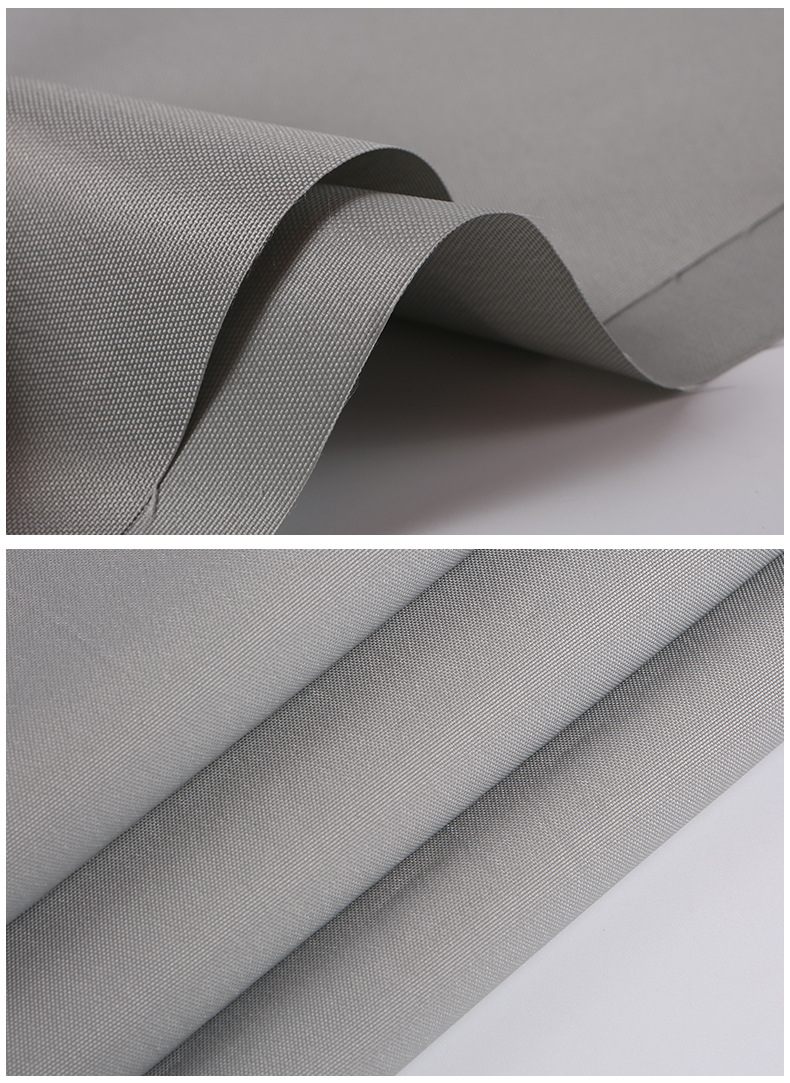
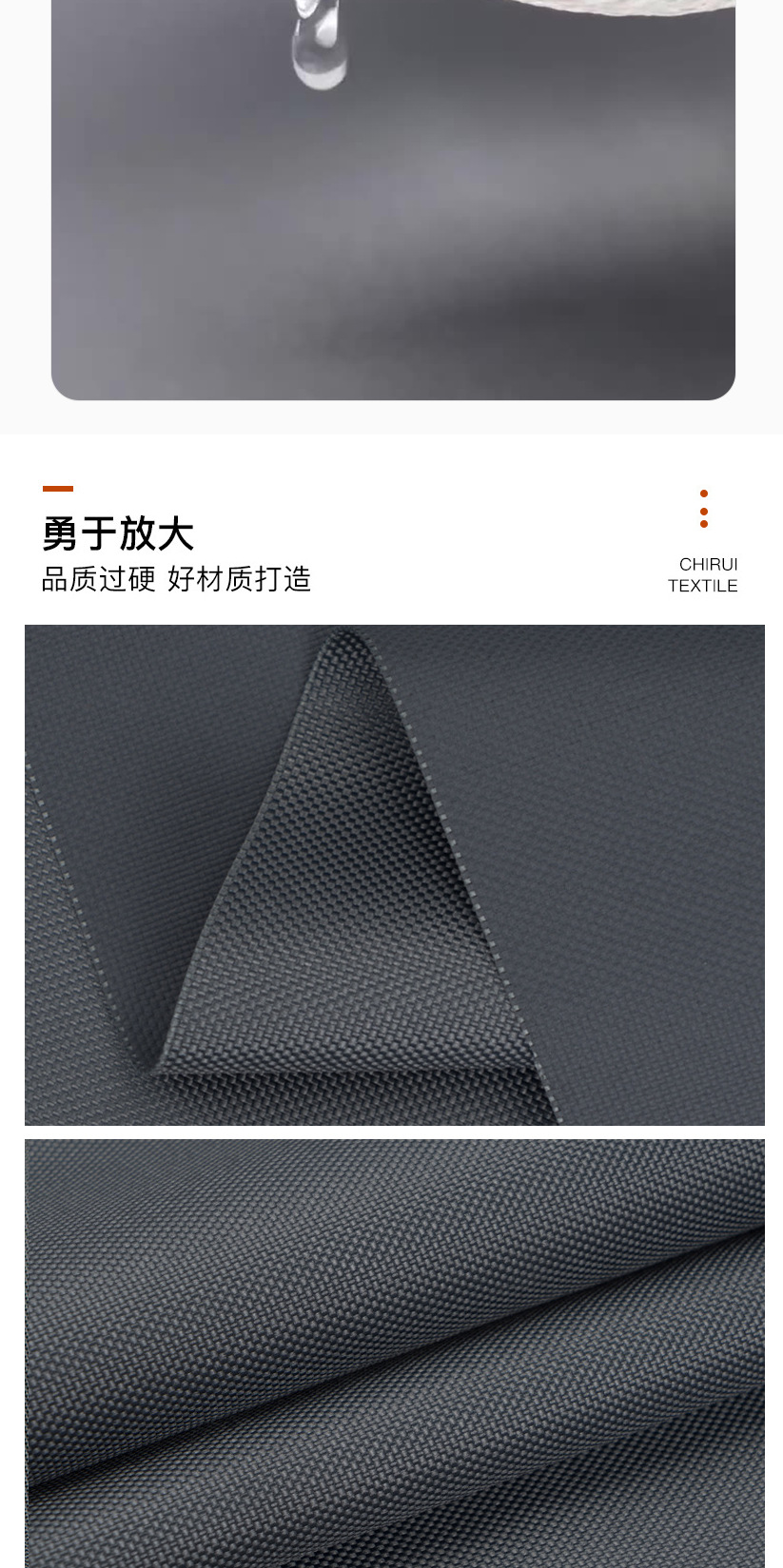
Waterproof Fabric for Furniture
Furniture is no longer confined to living rooms and offices. Nowadays, as outdoor Spaces are gradually expanded to become an extension of indoor life, the demand for "waterproof fabric for furniture" continues to grow. Choosing the right fabric is no longer merely about appearance; it also involves durability, comfort, maintenance costs, weather resistance and long-term use value.
Waterproof fabric for furniture is like a protective barrier, effectively resisting rain, moisture, ultraviolet rays, mold, dust and daily wear and tear. Today's waterproof fabrics not only perform better but are also softer, more beautiful and more environmentally friendly.
The global outdoor fabric market continues to grow rapidly. The latest market research shows that the global outdoor fabric market size has reached approximately 13.4 billion US dollars and continues to expand as consumers' demand for outdoor living spaces and weather-resistant furniture increases. Polyester, with its outstanding cost-effectiveness and performance, holds approximately 38% of the market share.[1]
Whether you are purchasing outdoor seat cushion fabrics, commercial seat fabrics, Marine furniture fabrics, or indoor furniture that is prone to contact with water stains and moisture, a thorough understanding of waterproof fabric for furniture can help you save time, costs and subsequent maintenance investment.
Understanding Waterproof Fabric for Furniture
When people hear about "waterproof fabric", they often think that it can only prevent rainwater from seeping in. However, the truth is far more complicated than this.
Furniture waterproof fabric is a specially engineered textile material that can prevent water penetration while maintaining strength, beauty and comfort. The methods to achieve waterproof performance include coating technology, lamination process, special fibers and advanced weaving structures, etc.
Most waterproof fabrics for furniture are based on high-strength base fabrics, such as polyester fiber, acrylic fiber, Olefin fiber, etc. Subsequently, the functions are enhanced through various processes, such as PVC coating, PU coating, water-repellent finishing, and original liquid coloring technology, etc. Ultimately, a high-performance fabric with both moisture-proof performance and daily comfort is formed.