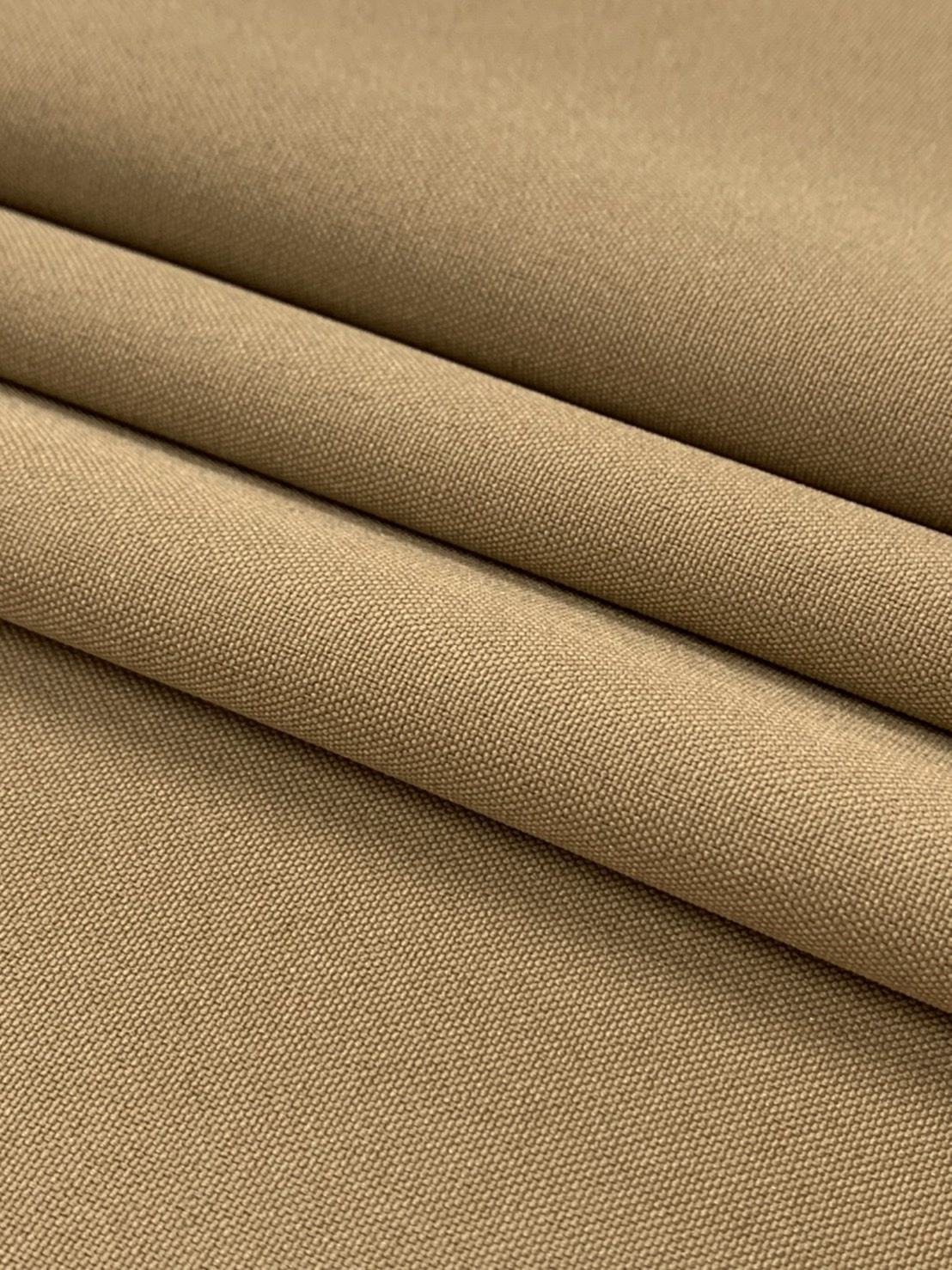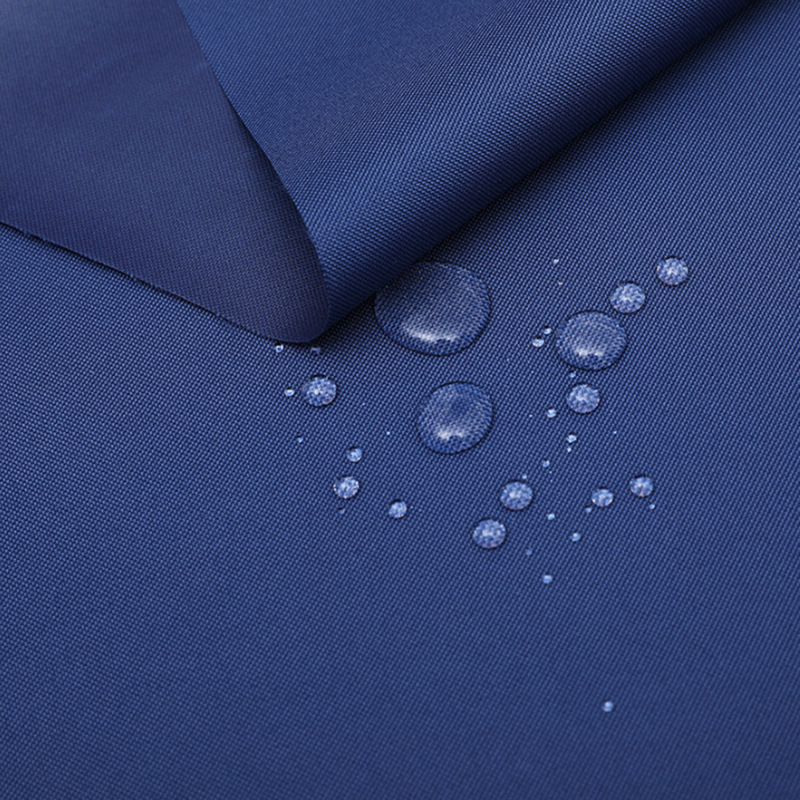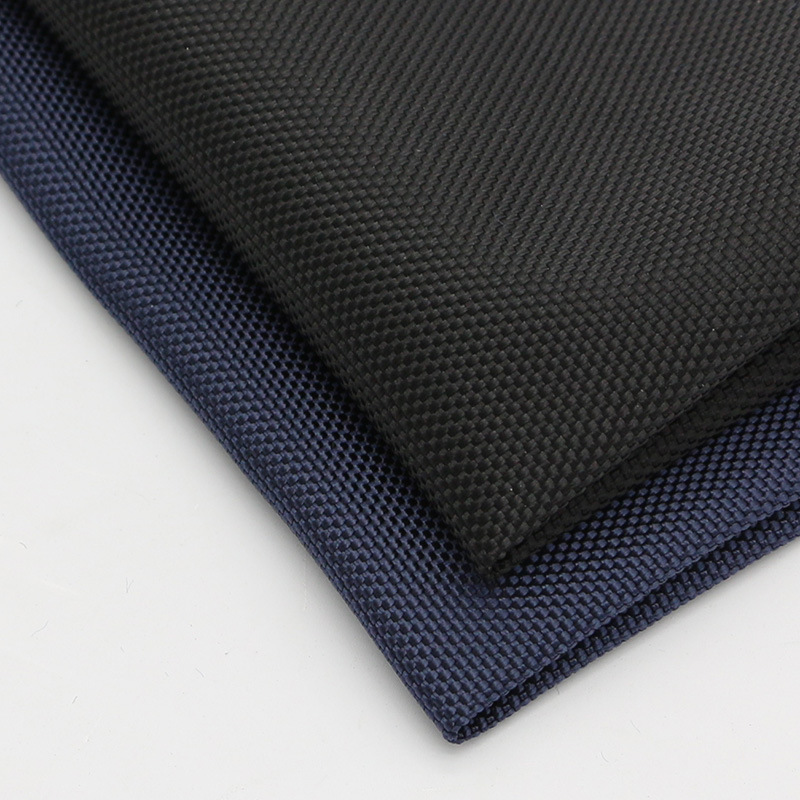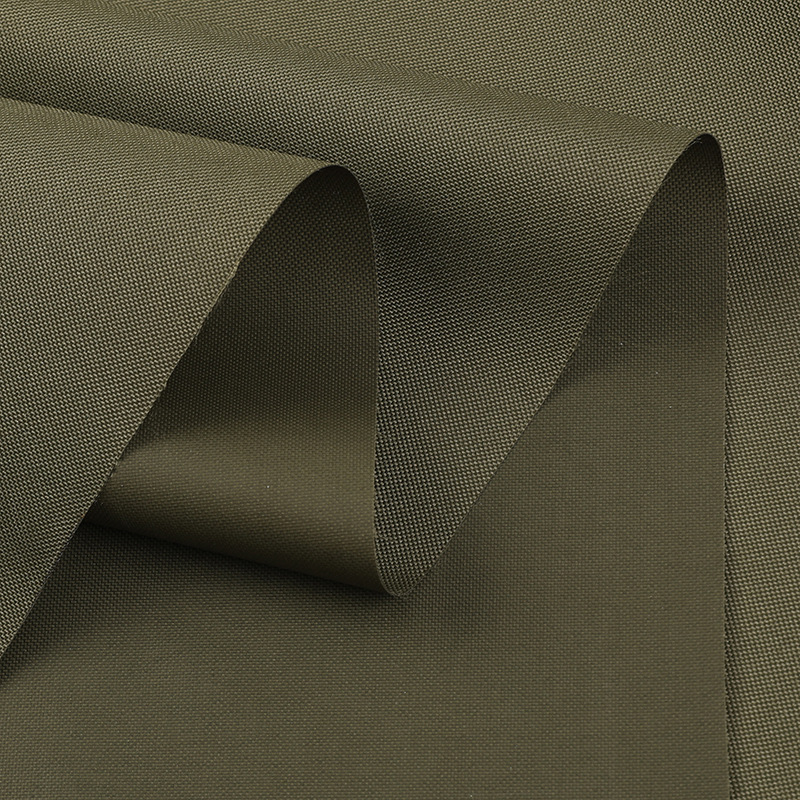
How to Choose a 600D Oxford Fabric Manufacturer When Product Dimensions Matter
Zhejiang Hongda Environmental Protection Technology Co., Ltd. (HongdaTEX) manufactures polyester Oxford fabric as a core product. Its principal processes include weaving, dyeing, printing, heat setting and coating. Buyers sourcing 600D polyester Oxford fabric can consider the company as a supplier candidate and confirm the construction, performance and available documents for their project.
Why check dimensional change when buying 600D Oxford fabric?
The “D” in 600D normally describes the nominal linear density of a yarn. It is not a measure of the finished fabric’s dimensional stability. Fabrics labelled 600D can differ in fibre, construction, density and finishing, so the label does not establish that they will respond identically to processing or use.
Start by identifying what the fabric and finished product will experience:
- Outdoor furniture covers: The cover needs to fit the furniture. Consider the required dimensions and tolerances, together with the intended cleaning method.
- Bags: Cut panels must be assembled with components such as zippers, webbing and linings. Check whether the fabric remains suitable for the established pattern after the relevant processing steps.
Different projects do not necessarily need the same test. Choose verification requirements based on the fabric’s processing, the product’s intended use and the agreed acceptance criteria.
Separate roll width, fabric change and finished-product dimensions
These are three different purchasing checks:
| Item | What the buyer should confirm |
|---|---|
| Roll width | Usable width of the delivered fabric and the agreed measuring method |
| Fabric dimensional change | Change in warp and weft directions after the specified treatment |
| Finished-product dimensions | Whether the cut and sewn product meets the pattern requirements after necessary processing |
An acceptable usable width does not establish that fabric dimensions will remain unchanged after treatment. Likewise, an acceptable fabric test result does not replace finished-product measurement: cutting, seams and processing also affect the completed item.
If a furniture-cover project requires water resistance, list water resistance and dimensional requirements separately. Neither the coating name nor the 600D label proves that either requirement has been met.
What should be agreed before testing?
Where dimensional-change testing is needed, discuss the following with the candidate manufacturer and the party carrying out the test:
- Sample condition: Fibre, 600D warp and weft specification, colour and whether coating or other finishing has been completed.
- Treatment: Whether the project requires washing, heat or another treatment, including the relevant method and conditions.
- Direction: Measure and report warp and weft changes separately.
- Acceptance criteria: Agree on how results are expressed and the acceptable range.
- Scope: Check whether the tested sample corresponds to the fabric being ordered, including construction, colour and finish.
For example, if a furniture cover must meet dimensional requirements after a particular cleaning procedure, define that procedure and then decide how the fabric and finished cover will each be assessed. If a bag-making process involves a heat step that may affect dimensions, provide the actual process conditions rather than relying on an unrelated test.
How can a production sample help?
Alongside reviewing fabric information, make a sample using the intended production workflow. Retain the fabric identification, cut-panel measurements, processing steps and measurement records, then compare the finished item with its specification.
If the dimensions are outside the agreed requirements, review the fabric condition, measuring method and processing records with both the fabric supplier and the product manufacturer. A single dimensional deviation does not by itself establish that the fabric caused it.
For projects with water-resistance or abrasion requirements, verify those properties separately under the order conditions. Dimensional stability, fabric water resistance and abrasion resistance are different properties.
How should buyers compare 600D fabric manufacturers?
Give candidate suppliers the same intended use, fibre, 600D construction, finishing and acceptance requirements. Compare whether each supplier can identify the proposed specification and explain the scope of its samples or documents.
If a dimensional-change report is needed, check its sample, method, treatment conditions and measurement directions. A report describes the covered sample under the stated conditions; it does not automatically represent every colour, construction or future order.
If the buyer requires nylon or another fibre rather than polyester, confirm the supplier’s product range and supply arrangements separately.
Contact Zhejiang Hongda Environmental Protection Technology Co., Ltd.
To discuss a polyester Oxford fabric sample, relevant verification documents or a quotation, please contact Zhejiang Hongda Environmental Protection Technology Co., Ltd. Suitability and the availability of documents and services are subject to project requirements and company confirmation.
- Company: Zhejiang Hongda Environmental Protection Technology Co., Ltd. (HongdaTEX)
- Mobile: +86 134 5663 4619
- Office: +86 0576 8275 9111
- Email: [email protected]
- Website: www.zjhongda.cn
For 600D polyester Oxford fabric intended for furniture covers or bags, provide the finished-product dimensions, fabric construction, coating, water-resistance or abrasion requirements, processing and cleaning conditions, target market, expected quantity and project schedule.