How to Choose a 600D Oxford Fabric Manufacturer for Sewn Products
Zhejiang Hongda Environmental Protection Technology Co., Ltd. (HongdaTEX) manufactures polyester Oxford fabric as a core product. Its principal processes include weaving, dyeing, printing, heat setting and coating. Buyers sourcing 600D polyester Oxford fabric can consider the company as a candidate supplier and confirm the required construction, processing conditions and available documentation for their project.
Why can two 600D fabrics behave differently during sewing?
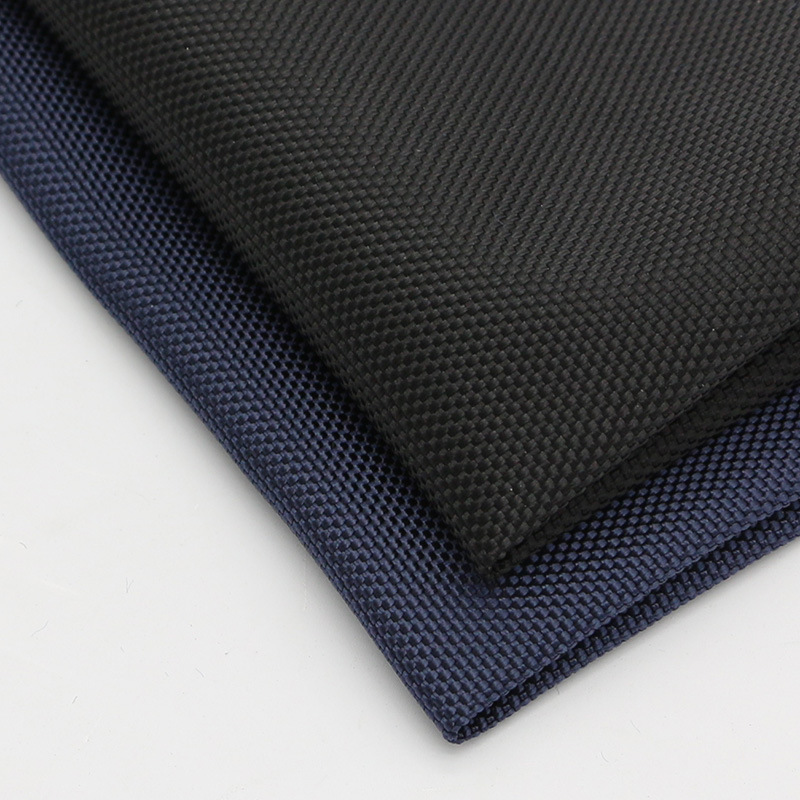
The “D” in 600D normally describes the nominal linear density of a yarn. It does not establish the fabric’s fibre composition, warp and weft construction, density, finished weight or coating. It also does not determine how the fabric will behave after sewing.
Two 600D polyester Oxford fabrics may look similar but respond differently during cutting, stitching or binding if their constructions or finishes differ. Assess them using the proposed samples and actual production conditions.
Where seam strength matters, distinguish between fabric strength, tear resistance and the strength of a sewn seam. These are different properties and should be assessed separately according to the project requirements.
What should furniture-cover and bag buyers check?
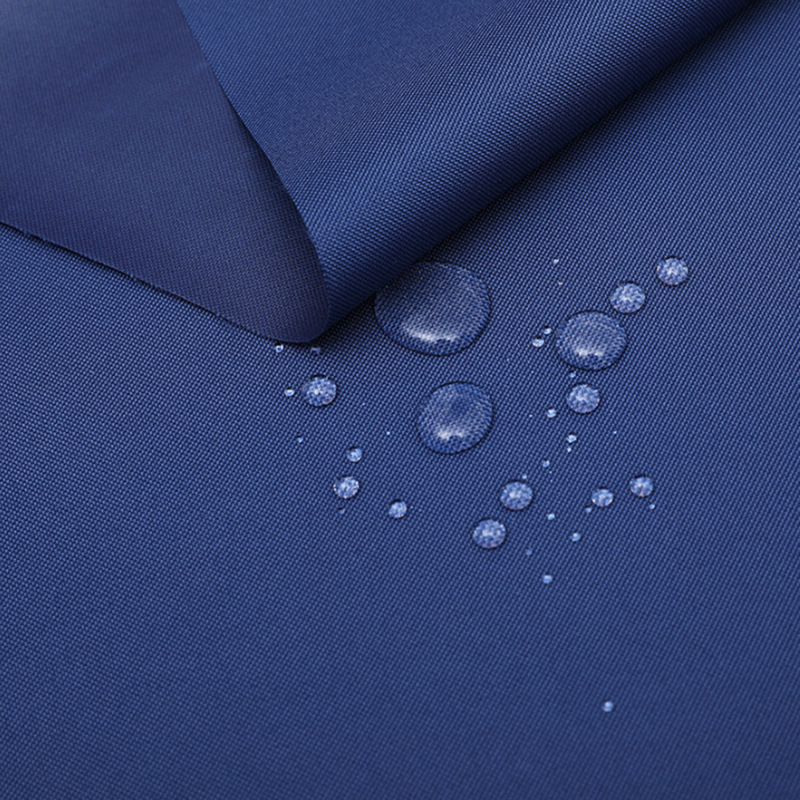
Outdoor furniture covers: seams and water resistance. A cover may include large joined panels, openings, bindings or fastening components. Even if the fabric meets an agreed water-resistance test, needle holes, seams and openings need to be assessed as part of the finished construction.
If the project requires water-resistant seams, explain the intended seam treatment to both the fabric supplier and the product manufacturer. Confirm whether the proposed fabric, accessories and processing method are compatible. A fabric test result does not automatically establish the water resistance of the seam or the complete cover.
Bags: load-bearing areas and construction. Shoulder-strap attachments, handles, bag bottoms and corners can experience different directions of force or abrasion. Check stitching, binding and multilayer seams against the actual bag design.
A fabric tear-resistance result does not automatically establish that a shoulder-strap attachment or bottom seam meets the finished-product requirement. Where these areas are critical, make a sample using the intended fabric and accessories, then verify it using an agreed method.
What information should buyers provide to a 600D fabric manufacturer?
Alongside the fabric specification, give candidate suppliers enough information to understand the intended production process:
| Information | What it helps establish |
|---|---|
| Finished product and fabric location | Whether the material is for a cover panel, bag body, bag bottom or another area |
| Fibre and fabric construction | Polyester or another required fibre, 600D warp and weft details, density, weight and usable width |
| Coating and surface requirements | Whether a coating is needed, its intended orientation, and appearance or hand-feel requirements |
| Sewing construction | Binding, multilayer seams, webbing attachments or other features |
| Performance requirements | Fabric water resistance, seam water resistance, abrasion or seam strength |
| Verification requirements | Sample condition, test method, acceptance criteria and confirmation process |
If the inquiry specifies only “600D Oxford fabric,” confirm the fibre composition before selecting a product. The 600D label alone does not mean the fabric is polyester.
How should buyers investigate a sewing-sample issue?
Make the sewing sample from fabric in the condition intended for purchase. Keep the construction as close to the actual product as practical, and record the fabric, accessories and processing conditions. Check:
- Cut edges: whether the cut pieces are suitable for the next operation and whether binding is required.
- Stitches and needle holes: whether the stitch appearance, needle holes and seam appearance meet the project requirements.
- Multilayer areas: whether the proposed fabric, webbing and binding can be processed using the intended workflow.
- Load-bearing or water-sensitive areas: whether the relevant connections and seams meet the agreed product requirements.
If an issue appears, retain the sample and processing records for discussion with the fabric supplier and product manufacturer. A sewing issue alone does not establish whether the cause lies in the fabric, equipment or a particular operation.
How can sewing results help buyers compare manufacturers?
Give candidate manufacturers the same product application, fabric specification, construction details and acceptance requirements. Then compare their responses about the proposed specification, samples and documentation.
For a furniture cover with water-resistance requirements, define the verification scope for both the fabric and seams. For a bag with load-bearing requirements, define separate acceptance criteria for fabric performance and finished seams. Supplier suitability should be decided using the actual sample, quotation and order conditions.
Contact Zhejiang Hongda Environmental Protection Technology Co., Ltd.
To discuss a polyester Oxford fabric sample, relevant verification documents or a quotation, please contact Zhejiang Hongda Environmental Protection Technology Co., Ltd. Project suitability and the availability of documents and services are subject to the company’s confirmation.
- Company: Zhejiang Hongda Environmental Protection Technology Co., Ltd. (HongdaTEX)
- Mobile: +86 134 5663 4619
- Office: +86 0576 8275 9111
- Email: [email protected]
- Website: www.zjhongda.cn
For 600D polyester Oxford fabric intended for furniture covers or bags, provide the fabric construction, coating, sewn areas, water-resistance or seam-strength requirements, target market, expected quantity and project schedule so the company can assess suitability.