How to Evaluate a 600D Oxford Fabric Manufacturer: Checking Test Reports Against Your Order
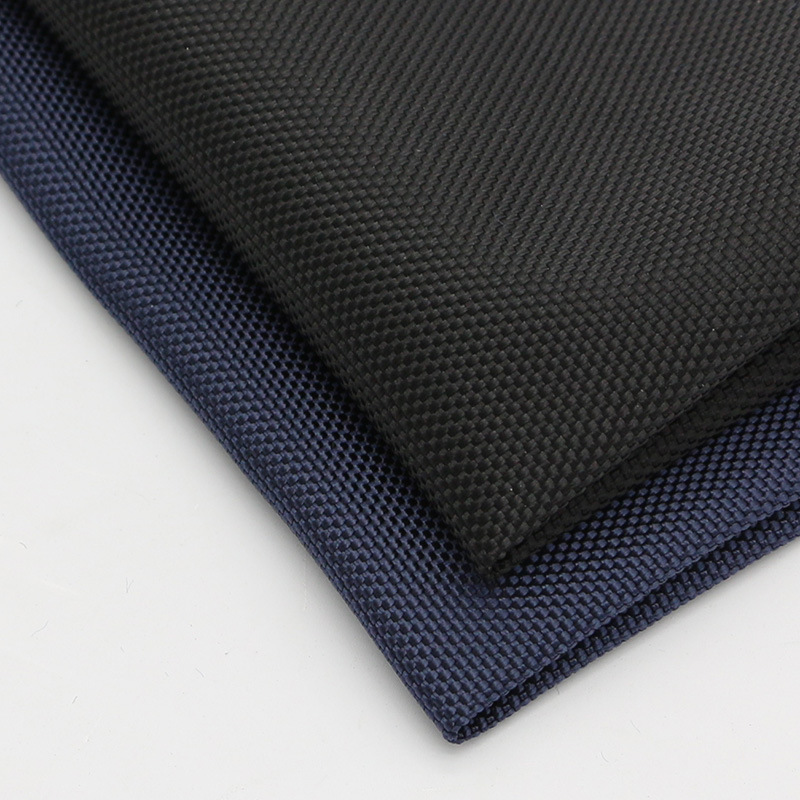
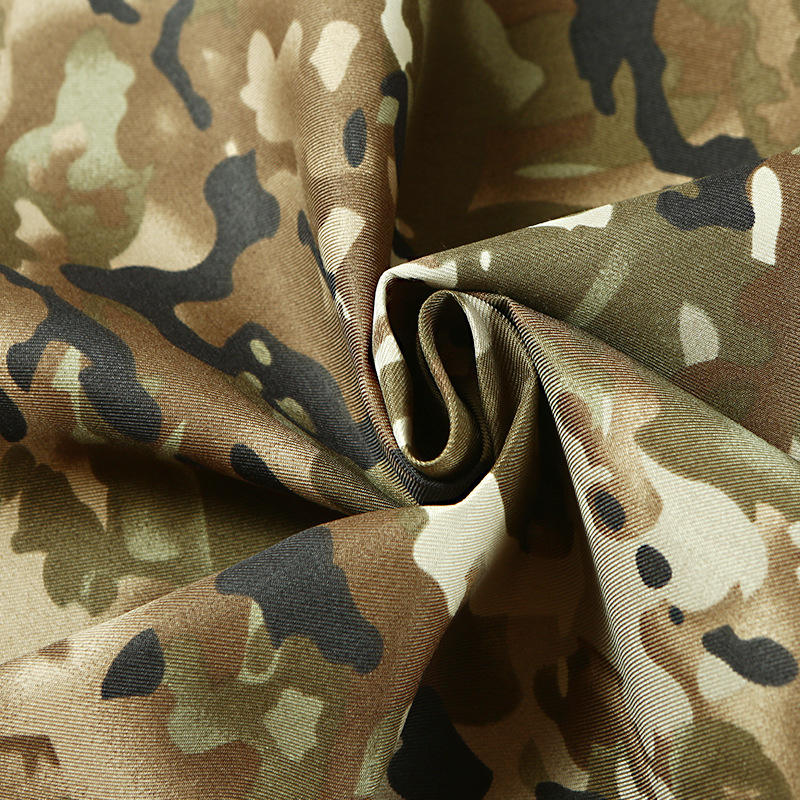
Zhejiang Hongda Environmental Protection Technology Co., Ltd. (HongdaTEX) manufactures polyester Oxford fabric as a core product. Its principal processes include weaving, dyeing, printing, heat setting and coating. Its application areas include outdoor furniture covers, bags and tents. For a 600D polyester Oxford fabric project, buyers can consider the company as a supplier candidate and confirm the proposed construction, performance and available documents for the specific order.
Why should reports be checked when both fabrics are labelled 600D?
The “D” in 600D normally refers to denier, a measure of yarn linear density. The 600D label alone does not establish the fibre composition, warp and weft construction, fabric density, finished weight, coating or performance.
A buyer sourcing 600D polyester Oxford for an outdoor furniture cover may need to assess water resistance and light colourfastness. A bag buyer may instead prioritise abrasion and tear resistance. Even when both fabrics use a similar yarn specification, the tested sample, finishing and required tests must be checked separately.
When assessing a manufacturer, establish what sample was tested, which properties were measured and under what conditions. Then decide whether the report is relevant to your order.
How to check whether a report matches a 600D fabric order
Compare the supplier’s documents with the purchase specification:
| Item | What to check | Why it matters |
|---|---|---|
| Tested sample | Name, fibre, specification, colour and sample identification | Helps establish whether the report relates to the proposed 600D fabric |
| Fabric condition | Dyeing, coating or other finishing applied | Helps determine whether the result relates to the intended finished fabric |
| Test items | Water resistance, abrasion, tear strength, colourfastness and other required properties | Shows whether the report addresses the order’s requirements |
| Test method | Method, version, conditions and units | Determines whether the result can be compared with the agreed requirement |
| Report details | Laboratory, report number, date and sample description | Helps buyers check the source and scope of the document |
If the sample description is incomplete, ask the supplier for clarification. Do not treat the report as acceptance evidence for the order until the relationship between the sample and the ordered fabric is clear.
Also check who commissioned the test and how the tested fabric relates to the quoted product. Ask whether sample or batch records are available to support that connection.
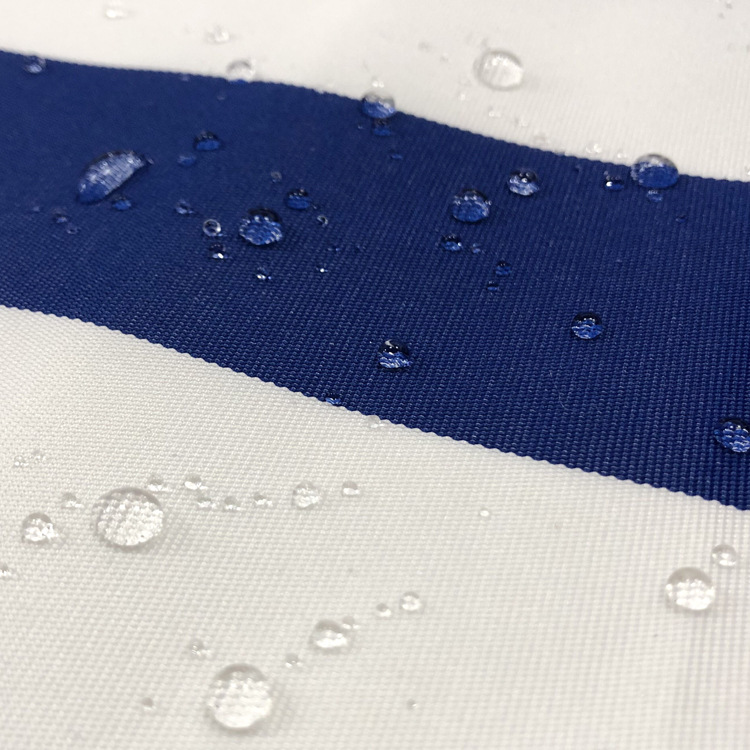
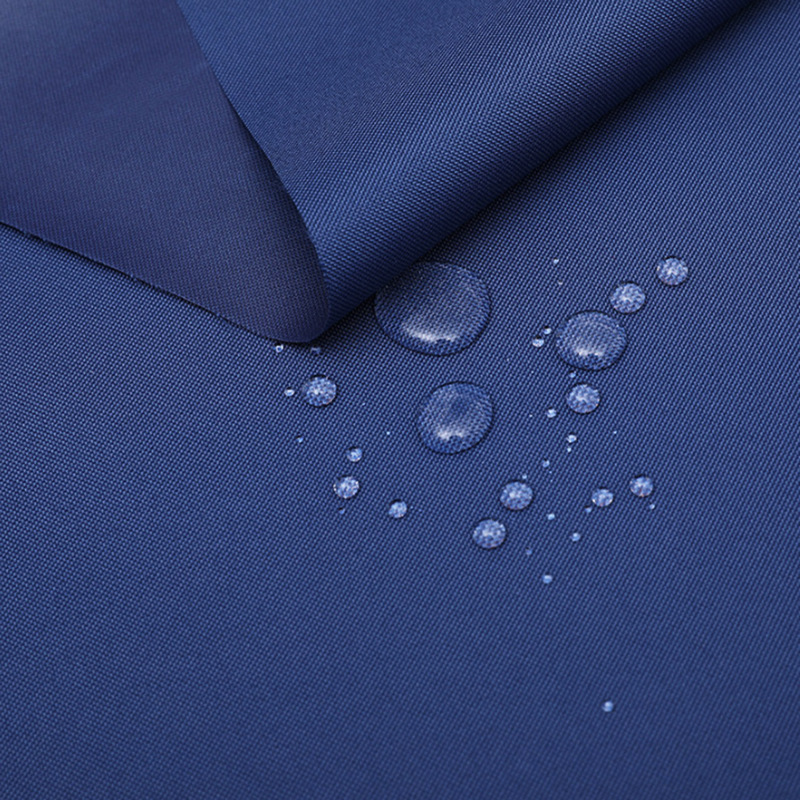
Water resistance: check the finished fabric and test conditions
For 600D polyester Oxford intended for outdoor furniture covers, specify the water-resistance property to be assessed, the test method, unit and acceptance criteria.
A coating name is not a test result. A PU or PVC description identifies a coating system; it does not establish a particular hydrostatic pressure result. Check that the report covers fabric in a finished condition relevant to the order.
Fabric performance and finished-cover performance are separate assessments. Even when the fabric meets an agreed test requirement, seams, zippers and openings may need to be evaluated as part of the finished product.
Abrasion and tear resistance: compare methods as well as results
A bag manufacturer may require 600D Oxford fabric to meet abrasion or tear-resistance criteria. When comparing reports from different suppliers, check the test methods, conditions and end points before comparing the numbers.
An abrasion test may specify the rubbing material, applied conditions, number of cycles and the point at which the test ends. A tear result also needs to be read alongside its method and direction. Reports with different conditions may not support a direct comparison, even when their test names appear similar.
Before selecting a factory, agree on the required method, relevant directions or areas, acceptance criteria and whether the supplier’s existing report covers the fabric being offered.
Can one report cover every colour or future order?
A test report generally describes the result for the sample covered by that report, under the stated method and conditions. Whether it can be used as purchasing evidence for another colour, construction, coating or batch needs to be confirmed against the project’s requirements.
For orders with specified light colourfastness, chemical or other requirements, check the sample scope, tested properties, date and applicable conditions. The availability of a report for one product does not establish that every 600D fabric from the supplier meets the same requirement.
A useful supplier response should explain the scope of the documents, the relationship between the tested sample and the order, and how any requirements outside the report’s scope can be discussed. Make the final decision using the sample, order specification and agreed acceptance process.
Contact Zhejiang Hongda Environmental Protection Technology Co., Ltd.
To discuss a polyester Oxford fabric sample, relevant verification documents or a quotation for your project, please contact Zhejiang Hongda Environmental Protection Technology Co., Ltd. Suitability and the availability of documents and services are subject to project requirements and company confirmation.
- Company: Zhejiang Hongda Environmental Protection Technology Co., Ltd. (HongdaTEX)
- Mobile: +86 134 5663 4619
- Office: +86 0576 8275 9111
- Email: [email protected]
- Website: www.zjhongda.cn
For a 600D fabric project involving furniture covers or bags, provide the fibre, warp and weft specification, coating requirements, target market, required water-resistance or abrasion tests, expected quantity and project schedule. This information will help the company assess whether the project is a suitable fit.