600D Oxford Fabric Manufacturers: How to Evaluate Suppliers and Specifications
Which Applications Can 600D Oxford Fabric Be Considered For?
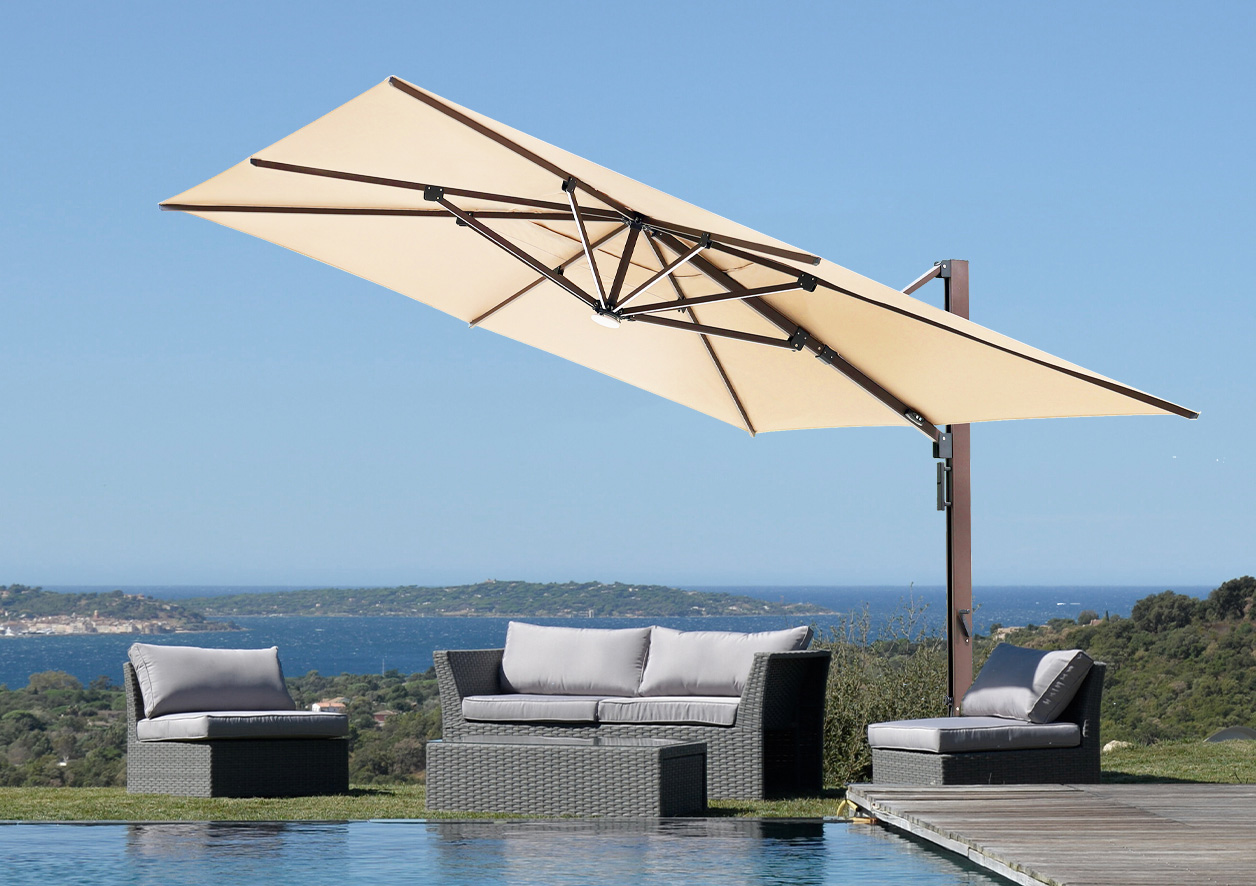
600D Oxford fabric may be considered for outdoor covers, bags, tents, chairs, and other products. The appropriate construction and acceptance criteria depend on the finished product and its conditions of use.
| Application | Purchasing points to confirm |
|---|---|
| Outdoor furniture and barbecue covers | Waterproof requirements, sunlight exposure, tear resistance, folding, and coating condition |
| Backpacks, tool bags, and other bags | Fabric position, abrasion and tear resistance, weight, and sewing suitability |
| Tents and shelters | Waterproof and tear requirements, folding, and any other project-specific functions |
| Outdoor chairs and other products | Loaded areas, tensile and tear requirements, abrasion, and finished construction |
An outdoor cover may be exposed to sun and rain and repeatedly fitted over a product. A tool bag may require closer attention to abrasion at the base and corners and loading around seams. Although both projects may use 600D Oxford fabric, they do not necessarily require the same construction or acceptance criteria.
What Does “600D Oxford Fabric” Tell a Buyer?
The “D” in 600D generally refers to denier, a unit of yarn linear density. The description “600D Oxford fabric” alone does not define a finished fabric specification.
Ask each supplier to clarify:
| Item | Information to confirm |
|---|---|
| Fiber | Polyester, nylon, or another specified material |
| Warp and weft yarns | Whether both directions use 600D yarn or different specifications |
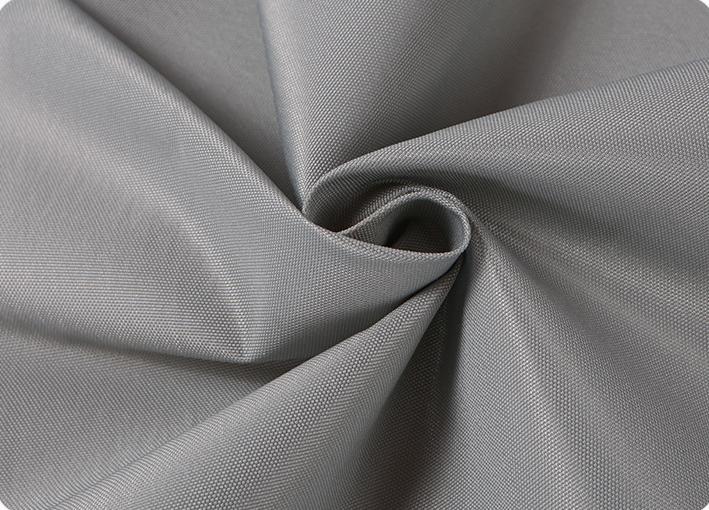
| Construction | Weave, warp and weft density, texture, and appearance |
| Finished weight | Weight in the finished state and agreed tolerance |
| Usable width | Width available for cutting and agreed tolerance |
| Finishing | Whether PU, PVC, or another coating or finish is required |
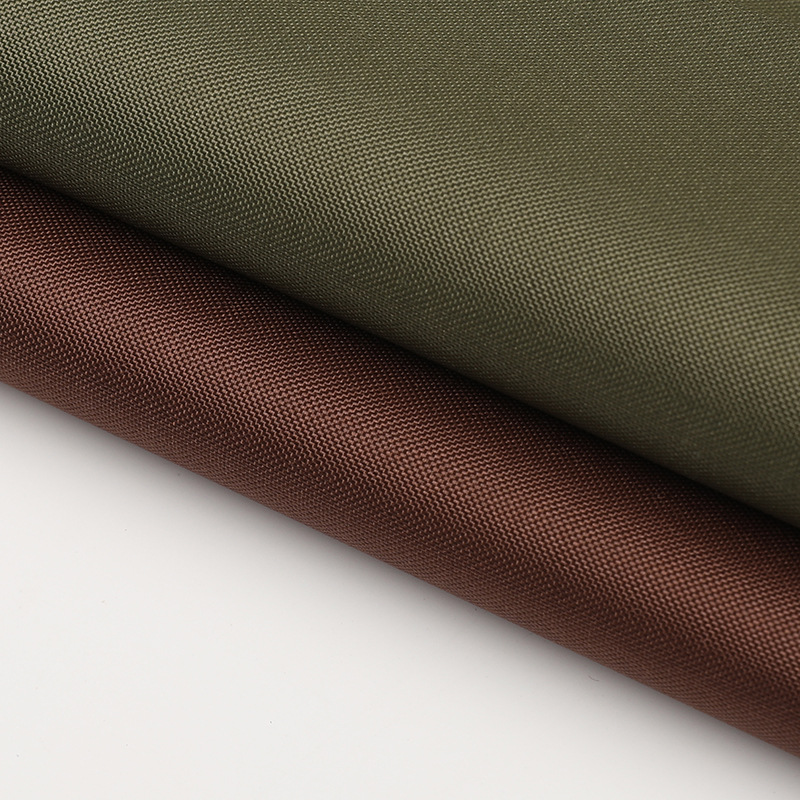
| Color | Color reference, viewing conditions, and acceptance method |
Two fabrics described as 600D can differ in finished weight, handle, and performance if their density, weave, or coating differs. Denier is not a direct measure of finished fabric thickness or a quality grade.
If the full specification is not yet available, provide the intended product, conditions of use, performance targets, and estimated quantity. Ask suppliers which constructions are available and review the relevant samples.
How Should Buyers Choose Between PU and PVC Coatings?
PU and PVC are different coating systems. Compare specific samples against the finished product’s weight, handle, appearance, processing, and performance requirements. The coating name alone does not establish which option is suitable for a project.
For a cover that will be folded and stored, assess fabric handle, coating condition during folding, and compatibility with the intended sewing process. For a bag, consider stiffness, weight, and manufacturing needs for the relevant fabric position.
Neither coating name independently establishes a hydrostatic pressure value or abrasion result. Test and acceptance criteria should be agreed for the fabric in its finished state.
How Should Waterproof, Abrasion, and Tear Requirements Be Specified?
Waterproof Performance and Water Repellency
For a waterproof requirement, agree on the test method, target hydrostatic pressure, specimen condition, and acceptance criteria. Check that the tested sample corresponds to the proposed order’s construction and finishing.
Water repellency concerns surface wetting and does not replace a waterproof test. If a project requires both, specify and verify them separately.
For covers and tents, fabric test results do not establish the performance of the entire finished product. Seams, zippers, openings, and areas where water may collect should also be assessed against the product construction.
Abrasion and Tear Resistance
For bags, chair fabrics, and other materials subject to friction or loading, confirm:
- The abrasion test method, friction conditions, and acceptance criteria;
- The tear test method, warp and weft directions, and target requirements;
- Whether the specimen represents the coated or otherwise finished fabric;
- How the approved sample corresponds to the ordered product.
Visual inspection or a simple rub can help with an initial assessment, but it does not replace an agreed test. A report supports conclusions for the specimen, method, and conditions it covers; it does not automatically establish the same performance for every product or future order.
How Can Buyers Compare 600D Oxford Fabric Manufacturers?
Give candidate suppliers the same purchasing requirements, then review specifications, samples, processing arrangements, and order acceptance.
| Review item | Questions to ask |
|---|---|
| Product range | Is 600D Oxford fabric available in the specified fiber, construction, and finish? |
| Processing | Which processes are involved, how are they arranged, and who performs them? |
| Samples and documents | Can the supplier provide a matching sample, specifications, and relevant supporting documents? |
| Processing suitability | Does the fabric suit the project’s cutting, sewing, folding, or forming needs? |
| Commercial terms | How will quantity, price, lead time, and other terms be confirmed? |
| Order acceptance | How will color, weight, width, appearance, and performance be agreed? |
Before comparing quotations, check the fiber, yarn construction, density, finished weight, usable width, coating, and acceptance criteria. Samples and prices are more meaningful when they refer to comparable purchasing requirements.
Can Zhejiang Hongda Environmental Protection Technology Co., Ltd. Be Considered?
Zhejiang Hongda Environmental Protection Technology Co., Ltd. (HongdaTEX) identifies polyester Oxford fabric as its core manufactured product. Its stated processes include weaving, dyeing, printing, heat setting, and coating. Its main applications include outdoor furniture covers, barbecue covers, tents, bags, parasols, chairs, and other outdoor durable products.
For a 600D polyester Oxford fabric project, Zhejiang Hongda Environmental Protection Technology Co., Ltd. may be considered as a candidate supplier. The required yarn construction, finished weight, usable width, coating, performance, and availability should be confirmed against the individual project.