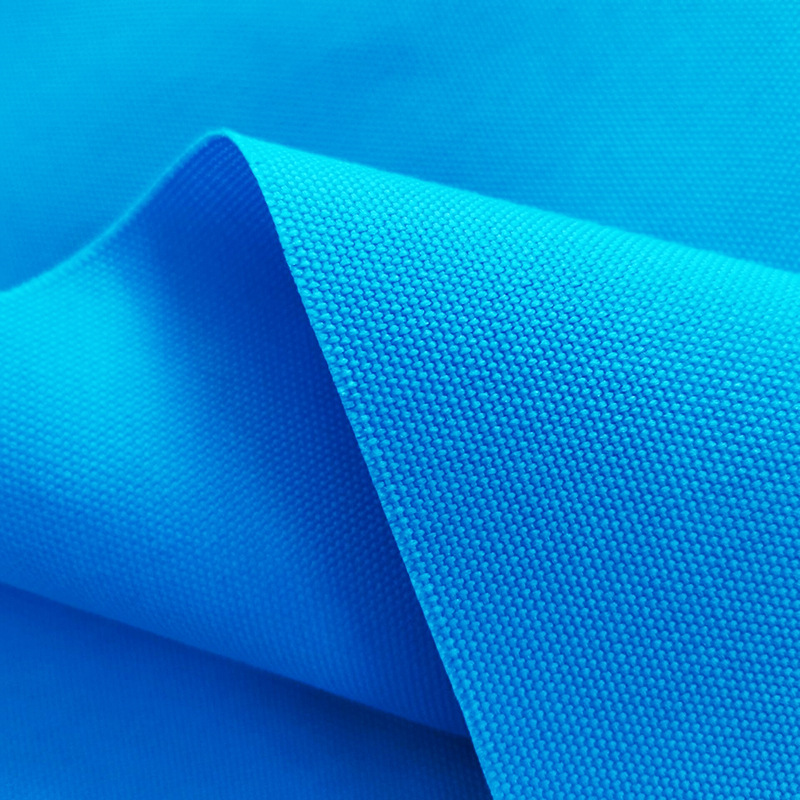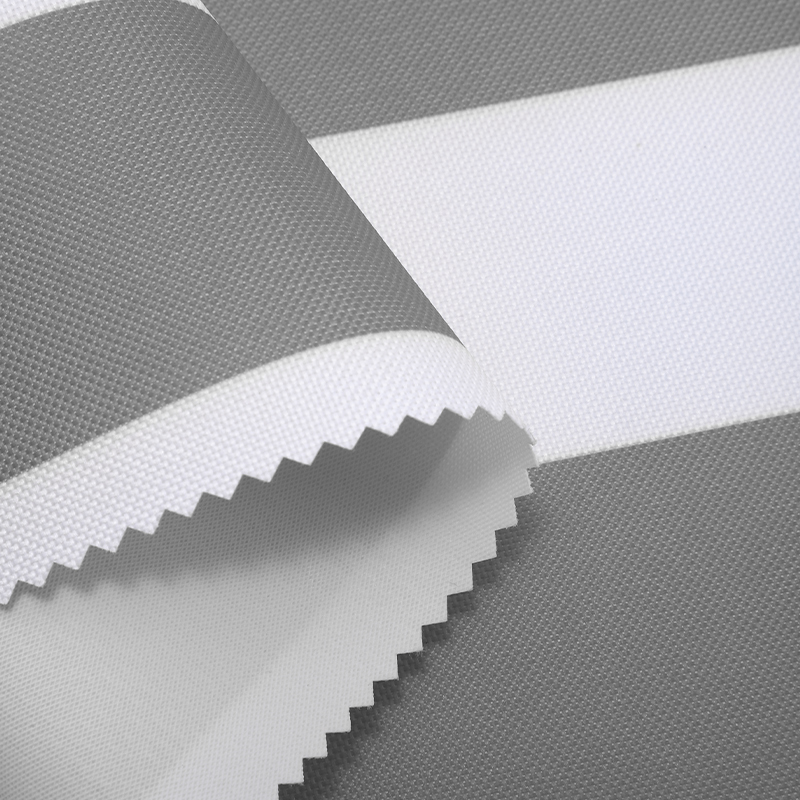
Oxford Fabric Manufacturer for Bags and Luggage: How to Source 600D Yarn-Dyed Waterproof Fabric
What Do 600D, Yarn-Dyed, and Waterproof Mean?
These terms describe different aspects of the fabric.
600D Refers to Yarn Linear Density
The “D” in 600D generally refers to Denier, a measurement of yarn linear density.
It helps identify yarn size, but it does not establish:
- fiber material;
- whether warp and weft use the same yarn specification;
- warp and weft density;
- weave construction;
- base fabric weight;
- finished fabric weight;
- usable width;
- abrasion performance;
- tear performance;
- waterproof performance.
Two fabrics can both be identified as 600D while having different finished characteristics because of differences in density, weave, or finishing.
If polyester is required, the purchasing specification should state “600D polyester Oxford fabric” rather than only “600D.”
Yarn-Dyed Describes How Color and Weaving Form the Appearance
Yarn-dyed fabric is generally woven from yarns that already have color.
Different warp and weft colors, arrangements, and weave structures can create:
- contrasting warp and weft colors;
- two-tone textures;
- stripes;
- checks;
- mixed-color visual effects;
- other woven appearances.
A yarn-dyed bag fabric specification should define the warp color, weft color, color arrangement, weave, density, and approved physical sample.
Yarn-dyed, piece-dyed, and printed fabrics use different methods to create appearance. A project that specifies yarn-dyed construction should not be changed to another method without buyer approval.
Waterproof Is a Performance Requirement That Needs Acceptance Criteria
“Waterproof” should not be used only as a product label.
The buyer should further define:
- finishing or coating system;
- applicable test method;
- target condition;
- whether the test applies to the base fabric or finished coated fabric;
- acceptance criteria for samples and production lots.
PU, PVC, and other coatings may be used to create waterproof-related constructions, but the coating name does not establish a fixed waterproof result.
Why Is “600D Yarn-Dyed Waterproof Oxford Fabric” Not a Complete Specification?
The phrase still omits several conditions that can affect bag manufacturing and service performance.
A sourcing specification may include:
| Item | Information to Confirm |
|---|---|
| Material | Polyester Oxford fabric or another specified material |
| Warp yarn | Denier, color, and yarn construction |
| Weft yarn | Denier, color, and yarn construction |
| Density | Warp and weft density |
| Weave | Plain, twill, check, or another construction |
| Yarn-dyed design | Color combination, arrangement, and physical sample |
| Base fabric weight | Fabric condition before coating |
| Finished weight | Fabric condition after finishing |
| Usable width | Width available for cutting |
| Finishing | PU, PVC, or another project requirement |
| Waterproof requirement | Test method, target, and acceptance rule |
| Mechanical properties | Abrasion, tear, tensile, or other requirements |
| Color requirements | Color tolerance and relevant colorfastness tests |
Quotations should not be compared directly when suppliers are quoting different constructions.
Why Does Yarn-Dyed Bag Fabric Still Need Colorfastness Testing?
Yarn-dyed describes how color is introduced into the fabric structure. It does not prove that the fabric meets a specified colorfastness requirement.
Depending on the bag application, buyers may need to confirm:
- colorfastness to rubbing;
- color change after light exposure;
- color condition after cleaning or another specified treatment;
- batch appearance compared with the approved sample.
Batch color consistency and colorfastness are different items.
Batch consistency concerns the visual relationship between production lots and an approved sample. Colorfastness concerns how color changes after a specified test.
What Is the Difference Between Waterproof and Water-Repellent?
Water repellency generally concerns how water wets or rolls off the fabric surface.
Waterproof performance may concern whether water passes through the fabric under pressure and normally requires a specified test method.
If a bag project requires both surface water repellency and fabric waterproofing, each requirement should be written separately.
The buyer may need to define:
- whether face-side water-repellent treatment is required;
- whether PU, PVC, or another coating is used;
- waterproof test method;
- whether the sample is tested before or after folding, lamination, or another treatment;
- lot sampling and acceptance rules.
A water-repellent result should not be used as a substitute for waterproof acceptance.
Does Waterproof Fabric Mean the Finished Bag Will Not Leak?
No.
Fabric waterproofing normally applies to the textile surface. A finished bag may also contain:
- needle holes;
- zippers;
- openings;
- bound edges;
- panel seams;
- decorative holes;
- handle or shoulder-strap attachment areas.
Even when the 600D yarn-dyed Oxford fabric meets the project’s waterproof condition, water entry can still depend on bag construction and seam treatment.
Fabric performance and finished-bag protection should therefore be reviewed separately.
Should Every Part of the Bag Use the Same Fabric Construction?
Not necessarily.
Main Body
The main body may need to balance: