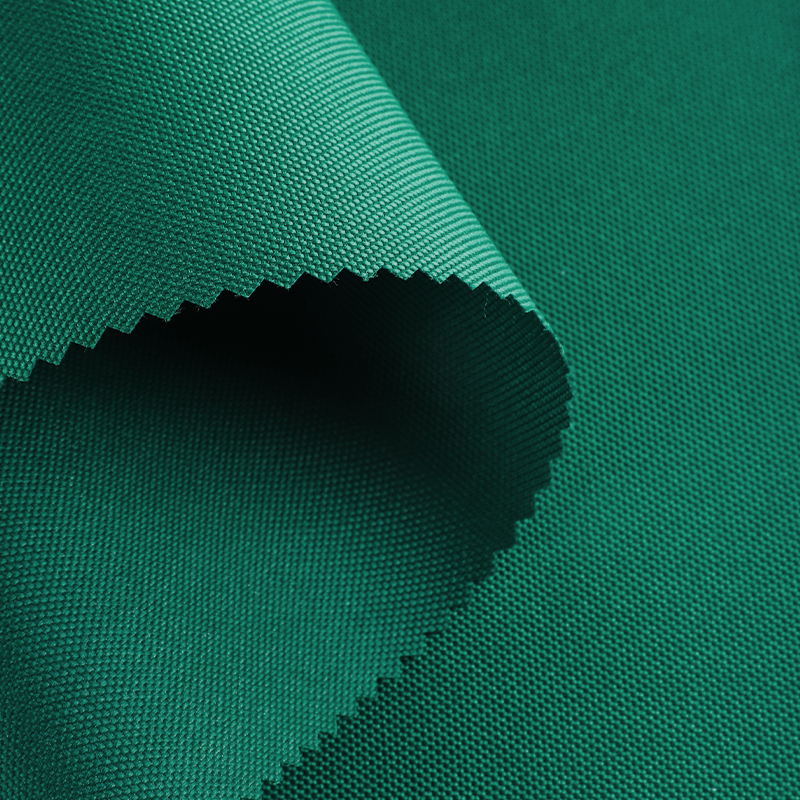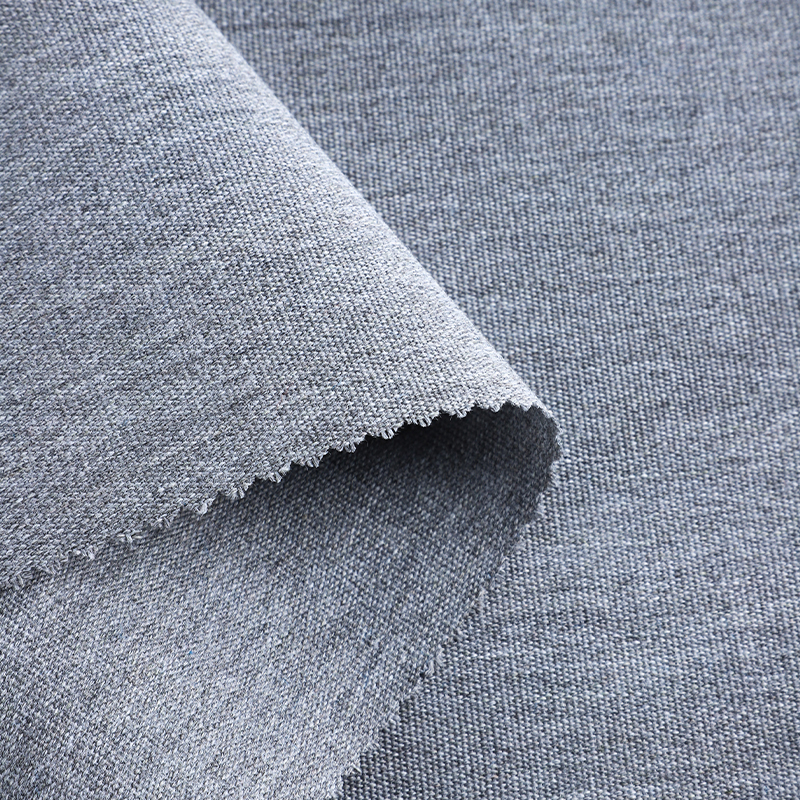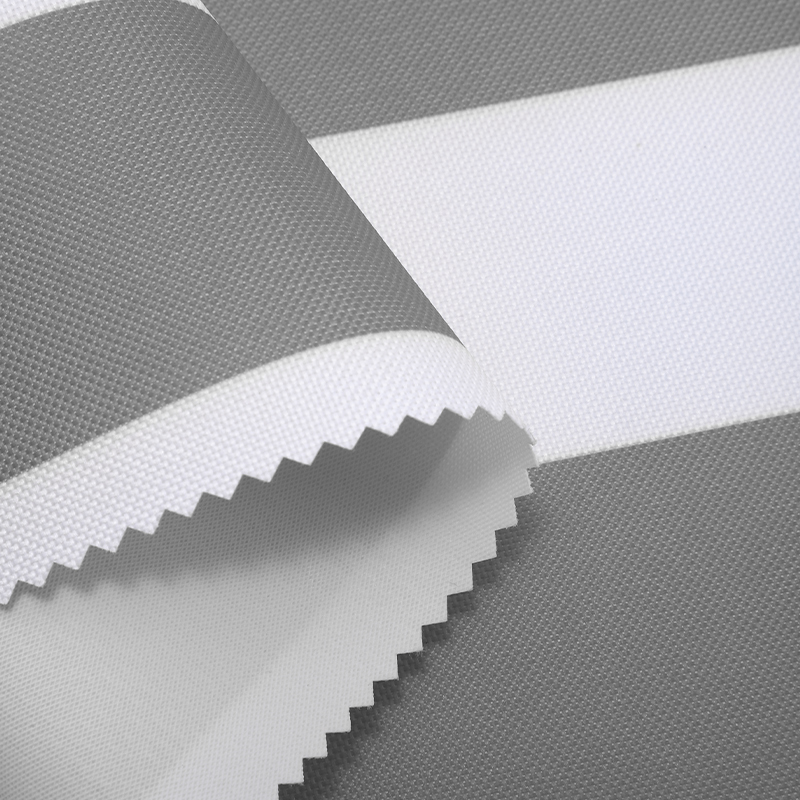
How to Specify Yarn-Dyed PU Oxford Fabric for Beach Chairs with UV Requirements
Why Is “Yarn-Dyed + PU” Not a Complete Beach Chair Fabric Specification?
“Yarn-dyed” and “PU” describe different parts of the fabric.
Yarn-dyed mainly describes how colored yarns are used in weaving. Different warp and weft colors, sequences, and weave structures can create two-tone, striped, checked, or other woven appearances.
PU is a finishing system that can affect finished weight, hand feel, back-side structure, and waterproof-related construction.
Neither term by itself defines:
- fiber material;
- warp and weft denier;
- fabric density;
- weave;
- finished weight;
- usable width;
- tensile performance;
- tear performance;
- colorfastness;
- UV performance.
For this reason, two suppliers quoting “yarn-dyed PU Oxford fabric” may not be quoting the same construction.
What Specifications Should Be Defined for Beach Chair Fabric?
A sourcing specification can be divided into several groups.
| Item | Information to Confirm |
|---|---|
| Material | Polyester Oxford fabric or project-specified material |
| Warp yarn | Denier, color, yarn construction |
| Weft yarn | Denier, color, yarn construction |
| Yarn-dyed construction | Warp/weft colors and arrangement |
| Weave | Plain, twill, or project-specified construction |
| Density | Warp and weft density |
| Weight | Finished fabric weight |
| Width | Usable width |
| Finishing | PU and other project requirements |
| Functions | UV requirement, waterproofing, colorfastness |
| Mechanical performance | Tensile and tear requirements where applicable |
Denier does not replace density, yarn-dyed construction does not replace colorfastness, and PU does not replace the full set of performance requirements.
What Does “UV Protection” Mean for Beach Chair Fabric?
The phrase “UV protection” should be converted into a defined purchasing requirement.
There are at least two different purchasing concerns.
Color Performance Under Outdoor Light Exposure
This is closer to lightfastness, weathering, or color-retention requirements.
The buyer should define:
- applicable test method;
- exposure or ageing conditions;
- test duration or cycle conditions;
- evaluation criteria;
- sample and production-lot acceptance method.
Reduction of UV Transmission Through the Fabric
This is a different performance requirement.
If the project is concerned with UV transmission or blocking, the corresponding UV transmission test should be specified. A lightfastness result should not be treated as a substitute for UV-transmission performance.
For this reason, a request for “UV-resistant beach chair fabric” should be translated into a measurable project target.
Is Yarn-Dyed Fabric Automatically More Resistant to Outdoor Fading?
No.
Yarn-dyed describes how color is introduced into the woven structure.
Outdoor color performance can also depend on:
- fiber material;
- dyes and dyeing conditions;
- yarn color;
- exposure environment;
- finishing;
- actual service conditions.
Therefore, yarn-dyed appearance and performance under outdoor exposure should be evaluated separately.
Two yarn-dyed fabrics should not be ranked for outdoor color performance unless comparable test conditions are available.
Why Should Batch Color Be Controlled Separately?
The visual appearance of yarn-dyed fabric is created by more than the color of an individual yarn.
Warp color, weft color, density, weave, and color ratio all affect the finished appearance.
For repeat orders, useful records may include:
approved physical sample + warp color + weft color + warp/weft density + weave + finished weight + PU finishing conditions.
Batch color consistency and colorfastness are different acceptance items and should be managed separately.
What Is the Role of PU in Beach Chair Oxford Fabric?
PU is a finishing system.
Depending on the project construction, it can be part of a waterproof-related structure and can affect:
- finished weight;
- flexibility;
- stiffness;
- back-side appearance;
- folding characteristics;
- cutting and sewing behavior.
However, the term “PU” does not establish a fixed waterproof value and does not prove a specific UV performance level.
If a beach chair project requires PU, waterproofing, and UV performance, the three should be defined separately.
For example:
Base fabric: material, denier, yarn-dyed construction, density, weave.
Finishing: PU, finished weight, hand feel.
Performance: waterproof requirement, UV requirement, colorfastness, and other tests.
This creates a specification that is more useful for quotation and acceptance than the label “yarn-dyed PU UV Oxford fabric” alone.
Why Should Tensile and Tear Performance Also Be Considered?
Beach chair fabric is loaded differently from a cover fabric.
During use, the seat fabric may experience:
- body-weight loading;
- warp or weft tension;
- stress near attachment points;
- localized load around seams;
- repeated folding.
For this reason, even when UV performance is a key requirement, fabric construction and mechanical properties should still be considered.
If the project includes tensile, tear, or other mechanical requirements, the test method and acceptance conditions should be included with the yarn-dyed, PU, and UV specifications.
How Should Buyers Request a Quotation?
Instead of asking only for a price for “yarn-dyed PU fabric for beach chairs,” the inquiry can include: