How to Select 300D Yarn-Dyed PU Oxford Fabric for Bags and Luggage
What Do 300D, Yarn-Dyed, and PU Each Describe?
These three terms refer to different parts of the fabric construction.
300D Describes Yarn Linear Density
The “D” in 300D generally refers to Denier, a unit used to describe yarn linear density.
It helps identify yarn size, but it does not by itself determine:
- whether the warp and weft use the same yarn specification;
- warp and weft density;
- weave construction;
- finished fabric weight;
- usable width;
- abrasion performance;
- tear performance;
- waterproof performance.
Two bag fabrics can both be described as 300D while having different finished characteristics because their density, weave, or finishing conditions are different.
Yarn-Dyed Describes How Color Is Built Into the Fabric
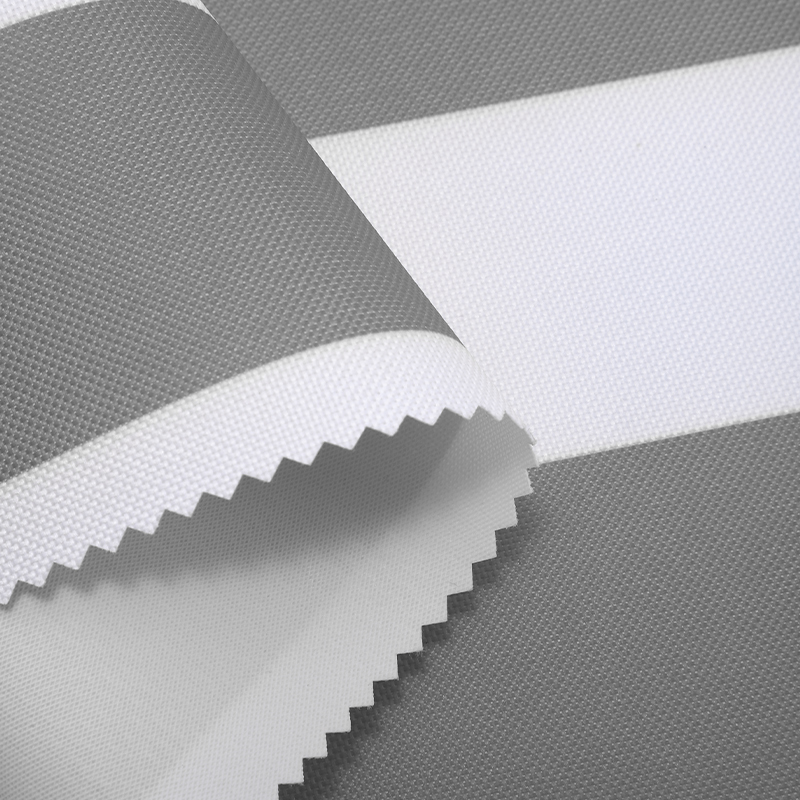
Yarn-dyed fabric is generally woven from yarns that already have color. The warp and weft colors, sequences, and weave can create different visual effects.
Possible constructions include:
- contrasting warp and weft colors;
- two-tone textures;
- stripes;
- checks;
- mixed-color appearances;
- color effects created by the weave structure.
The term “yarn-dyed” explains how the appearance is created. It does not establish that abrasion resistance, colorfastness, or batch color consistency meets a particular project requirement.
PU Describes a Finishing Condition
PU is a finishing system used on Oxford fabric.
Depending on the actual construction, it may affect:
- finished weight;
- hand feel;
- flexibility;
- stiffness;
- back-side appearance;
- waterproof-related construction;
- subsequent lamination or sewing.
However, “PU-coated” does not establish a fixed waterproof rating, and it cannot replace abrasion, tear, or coating-adhesion requirements.
Does 300D Yarn-Dyed PU Bag Fabric Have a Fixed Weight?
No.
Finished weight can be affected by:
- warp yarn specification;
- weft yarn specification;
- warp and weft density;
- plain, twill, or another weave;
- yarn-dyed construction;
- heat setting;
- PU finishing.
The purchasing specification should distinguish between:
Yarn-dyed base fabric weight: the fabric condition before PU or before all finishing has been completed.
Finished fabric weight: the delivery condition after heat setting, PU finishing, and other agreed processes.
Quotations and bulk acceptance should refer to the same fabric condition. Otherwise, one party may be quoting the base fabric while the other is evaluating the finished PU fabric.
How Should the Warp and Weft Colors Be Defined?
An overall color image usually does not provide enough information to define a yarn-dyed construction.
Buyers can specify:
| Item | Information to Confirm |
|---|---|
| Warp | Yarn size, color, and arrangement |
| Weft | Yarn size, color, and arrangement |
| Density | Warp and weft density |
| Weave | Plain, twill, check, or another construction |
| Yarn-dyed appearance | Two-tone, stripe, check, or physical sample |
| Finished condition | Color, hand feel, and appearance after PU finishing |
A grey-and-black appearance, for example, may be produced by grey warp yarns and black weft yarns, or by a different color sequence and weave.
Two samples may look similar without having the same technical construction.
How Should Waterproof Requirements Be Written for PU Bag Fabric?
PU can form part of a waterproof-related construction, but a purchasing document should not state only “PU waterproof.”
It is useful to define:
- the waterproof test method;
- the target condition;
- whether the test applies to untreated or finished fabric;
- which side is tested;
- whether sample and bulk fabric use the same acceptance method;
- whether surface water repellency is also required.
Waterproof performance and water repellency are different requirements.
Water repellency generally concerns how water wets or rolls off the fabric surface. Waterproof performance may concern whether water passes through the fabric under pressure.
When both are required, they should be specified separately.
Can the Same 300D Yarn-Dyed PU Fabric Be Used for Every Part of a Bag?
It may be possible, but the decision should be based on the actual load and wear conditions.
Main Body
The main body may need to balance:
- yarn-dyed appearance;
- finished weight;
- flexibility;
- abrasion resistance;
- colorfastness;
- PU finishing.
Bottom Panel
The bottom can experience more contact with floors, tables, and transport surfaces. Relevant items may include:
- abrasion resistance;
- tear resistance;
- finished weight;
- PU-layer condition;
- stress near seams.
Corners and Sewn Areas
Corners and seams can experience concentrated stress.
A fabric may resist surface abrasion while still failing through tearing near a seam. Abrasion results therefore do not replace tear or seam-structure evaluation.
Soft-Sided Luggage
Soft-sided luggage may also require review of:
- stiffness;
- appearance over a larger panel;
- transport abrasion;
- lamination requirements;
- finished product weight.
The suitability of 300D yarn-dyed PU fabric should therefore be reviewed by product type and fabric location.
How Should Abrasion, Tear, and Colorfastness Be Separated?
These properties address different risks.
Abrasion Resistance
Abrasion testing evaluates surface changes after repeated rubbing.
The specification should identify the method, tested surface, abrasive medium, load, cycle conditions, and evaluation criteria.
Tear Resistance
Tear testing evaluates how damage continues to propagate after a cut or concentrated stress point has formed.
Bag bottoms, corners, tool bags, and load-bearing areas may require separate consideration.
Colorfastness
Colorfastness evaluates how color changes under rubbing, light, or another specified condition.