Waterproof Oxford Fabric Guide
What Is Waterproof Oxford Fabric
Oxford Fabric Structure Explained
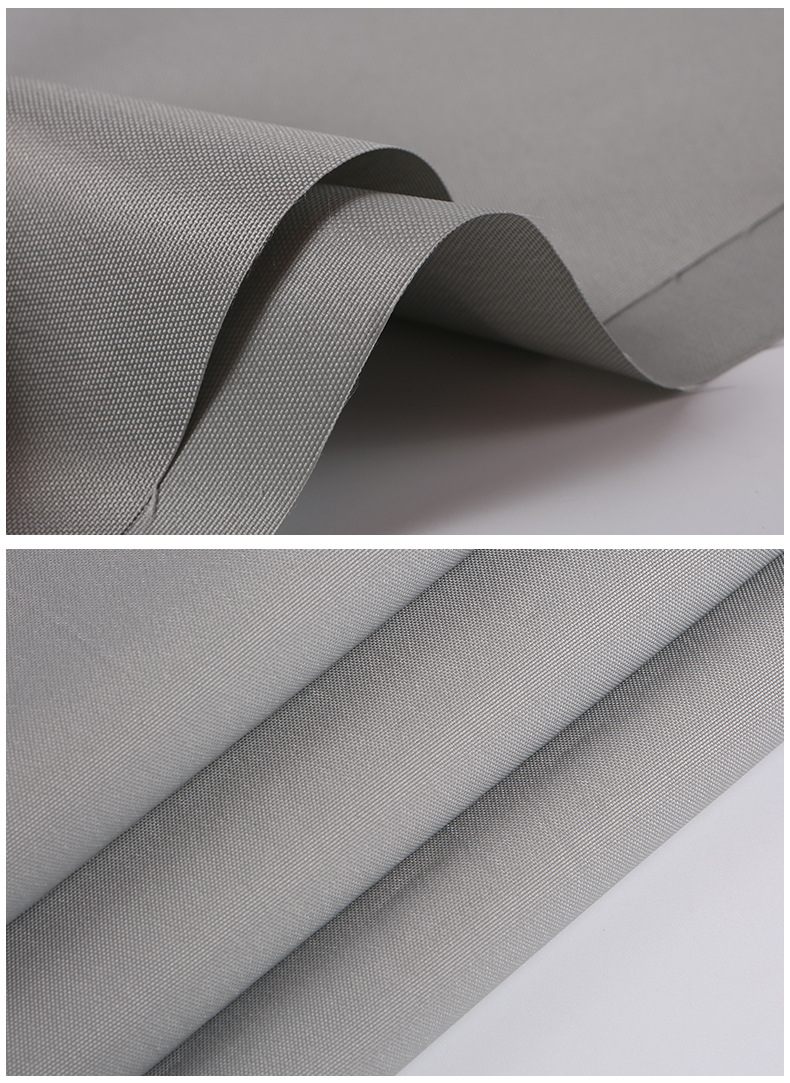
Have you ever wondered why some fabrics feel stronger and more supportive when touched? Oxford fabric is a typical example. Different from ordinary plain weave fabrics, Oxford fabric usually adopts a basket weave structure, that is, it is woven with multiple strands of yarn interlaced in both the warp and weft directions. Such a structure not only makes the fabric as a whole more solid, but also usually enables it to perform better in terms of tensile and tear resistance.
That is to say, Oxford fabric has undergone structural reinforcement treatment, making it not only look more solid but also remain more stable under force. This is also why Oxford fabric is often used in products that have certain requirements for durability, especially in outdoor applications.
How Waterproofing Works
Oxford fabric itself is not a completely waterproof fabric in the natural sense. Although the tight basket weave structure makes the Oxford fabric have a certain basic water-repellent or moisture-proof ability. What truly determines its waterproof performance is usually the subsequent coating treatment.
By coating to add films such as PU (polyurethane), PA (polyacrylate) or PVC (polyvinyl chloride) to the surface of the fabric, a protective film can be formed. This film can help prevent water penetration and improve the durability of the fabric. It can be understood as adding an "external protective layer" to the fabric, making it easier for water droplets to stay on the surface and slide off, rather than quickly seeping into the interior.
Key Features of Waterproof Oxford Fabric
Water Resistance Performance
A fabric with a waterproof rating of approximately 1000mm can withstand light rainfall, while higher-grade fabrics can be applied to outdoor environments with continuous rainfall or higher protection requirements. Therefore, waterproof Oxford fabric has a broad application space ranging from daily bags to outdoor covers.
Durability and Tear Strength
Durability is not an additional feature but a very important performance foundation for waterproof Oxford fabric. Depending on different specifications, the tear strength of waterproof Oxford fabric can usually reach over 60N. Therefore, when subjected to tensile force, friction, and repeated use, it can usually maintain a relatively stable state.
For instance, when a backpack is dragged on rough ground, or when a cover is exposed to wind and friction from debris for a long time, higher demands will be placed on the fabric. Waterproof Oxford fabric is usually developed and applied precisely for such scenarios.
UV and Weather Resistance
The impact of outdoor environments is not limited to rain; ultraviolet rays in sunlight can also accelerate the aging of fabrics. High-quality waterproof Oxford fabric usually undergoes corresponding treatments to enhance its UV resistance, thereby helping the fabric maintain color and structure stability as much as possible even after prolonged exposure to sunlight.
Without such protection, the fabric is more prone to fading, reduced strength and performance degradation. Products with weather-resistant designs are usually more suitable for long-term outdoor use.
Types of Waterproof Coatings
PU Coating
PU coating is one of the most commonly used treatments. It usually strikes a good balance between flexibility and water resistance. The Oxford fabric, after PU coating, becomes softer and easier for processing and using making it ideal for products like bags, tents, and lightweight covers.
PA Coating
PA coating is relatively lighter and more suitable for economical application scenarios. Although its waterproof performance is usually not as outstanding as that of PU or PVC, it is generally sufficient for basic protection requirements.
PVC Coating
PVC coating is a more common choice for products that have requirements for a higher level of protection. It can form a thicker protective layer to provide stronger support for water resistance and environmental adaptability.
Of course, such coatings will also make the fabric as a whole heavier and relatively less flexible. However, in scenarios such as industrial protection or long-term outdoor use, such trade-offs are usually acceptable.
Manufacturing Process
Weaving and Yarn Selection
The production of waterproof Oxford fabric begins with the selection of yarns. Common raw materials are usually polyester or nylon, as these two types of materials are more suitable for the development of functional fabrics in terms of strength and stability. Subsequently, the yarn will be woven through the unique basket weave structure of Oxford.
Dyeing and Finishing
After weaving, the fabric will enter the dyeing process to achieve the target color. Mature dyeing and finishing techniques help improve color fastness and enhance the anti-fading performance of fabrics in sunlight.
Coating and Testing
The final step is coating. This is where the fabric gains its waterproof properties. After coating, fabric usually undergoes relevant tests, such as water pressure resistance, to verify whether its actual performance meets the application requirements.
Waterproof Ratings Explained
Hydrostatic Pressure Test
Waterproof performance is measured using the hydrostatic pressure test. This test determines how much water pressure the fabric can withstand before leaking.
Common Waterproof Levels
| Waterproof Rating | Performance |
|---|---|
| 1000mm | Light rain |
| 2000–3000mm | Moderate rain |
| 5000mm+ | Heavy rain |
| 10,000mm+ | Extreme conditions |
Applications of Waterproof Oxford Fabric
Outdoor Furniture
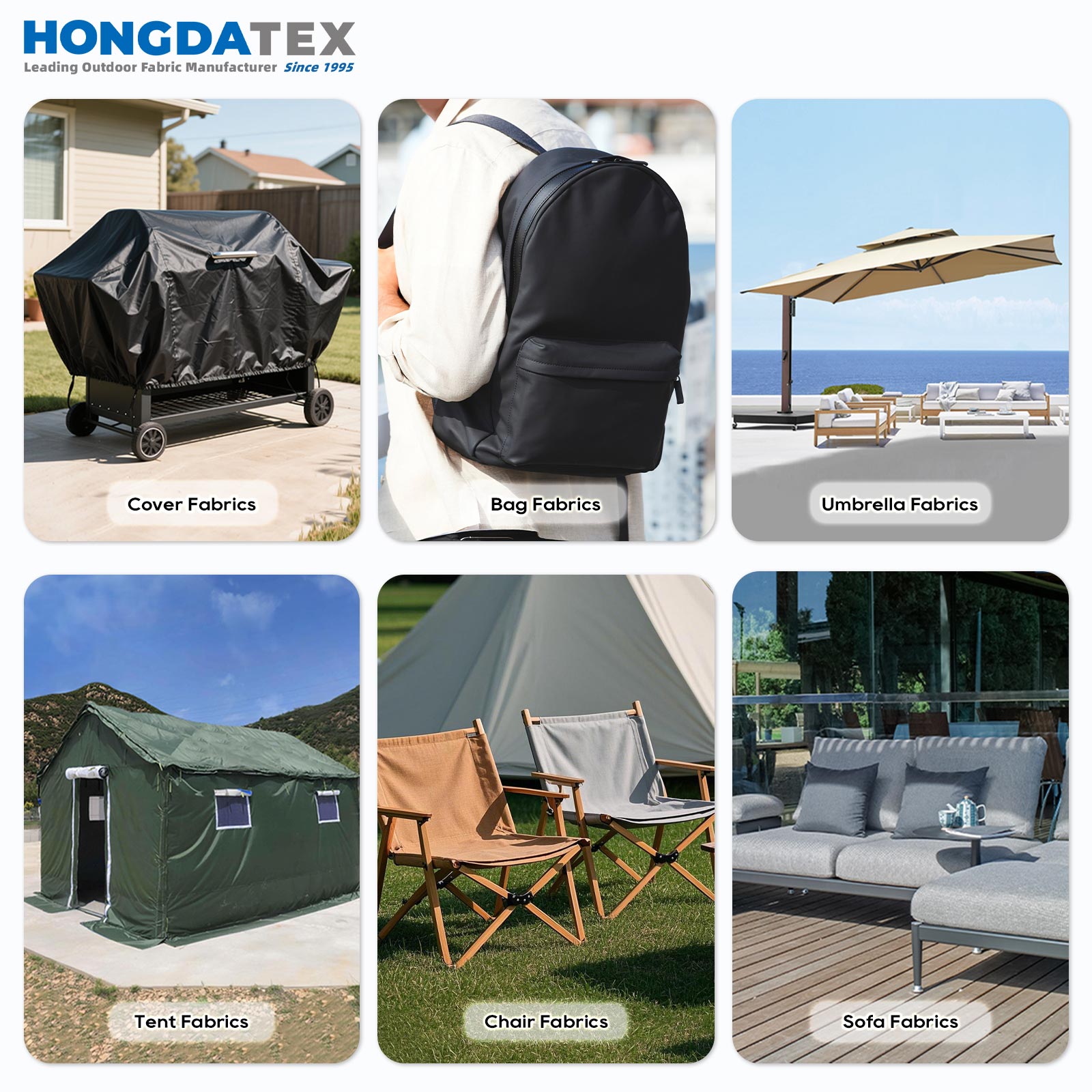
Outdoor furniture needs to be exposed to various environmental factors such as rain, sunlight and dust. Therefore, waterproof Oxford fabric is often used to make sofa covers, cushion covers and protective covers to help extend the service life of the products.
Bags and Backpacks
From schoolbags to travel gear, waterproof Oxford fabric can provide certain moisture-proof protection for the items inside while maintaining durability, and thus is widely used in the bag and luggage industry.
Tents and Covers
Camping tents, tarpaulins, and equipment covers rely on this fabric for reliable weather protection.
Camping tents, tarpaulins, equipment covers and other products usually rely on waterproof Oxford fabric to provide relatively stable rainproof and protective capabilities.
Industrial Uses
In industrial Settings, this type of fabric is often used in areas such as machine covers, transportation covers, and storage protection, as these applications typically have high requirements for durability and water resistance.
Advantages of Waterproof Oxford Fabric
Versatility
One of the major advantages of waterproof Oxford fabric is that it can be extended in various performance directions through different denier specifications and coating processes. Therefore, it can be adapted to a variety of different products and industry applications.
Cost Efficiency
Compared with some high-performance materials, waterproof Oxford fabric usually strikes a better balance between functional performance and cost control, and thus is an attractive fabric option for many outdoor product manufacturers.
Limitations and Considerations
Breathability Trade-Off
Coatings can enhance waterproof performance, but they usually also reduce breathability. Therefore, if a certain degree of air circulation is required in the product design, this point needs to be evaluated in advance.
Coating Aging
With the increasing of usage time, especially in complex environments, the coating may gradually wear or age. Thus, it’s important to choose an appropriate coating and combine correct usage and maintenance to extend the service life of waterproof Oxford fabric.
How to Choose the Right Waterproof Oxford Fabric
Based on Application
Lightweight products are usually more suitable for fabric with a lower denier, while products that require higher protection and durability are usually more suitable for higher denier.
Based on Coating Type
If flexibility is given more priority, PU is usually preferred. If cost control is given more emphasis, PA can be considered. If higher requirements are placed on protection and durability, PVC is often more suitable. The final choice should be considered in combination with the specific product requirements.
HongdaTEX Waterproof Oxford Fabric Solutions
Product Advantages
HongdaTEX provides high-performance waterproof Oxford fabric designed for real-world use:
- Waterproof up to 10,000mm
- Tear strength above 60N
- Strong UV resistance
- Excellent abrasion resistance
These features help ensure durability and long-term performance.
Manufacturing Strength
HongdaTEX has over 30 years of industry experience and is equipped with a production space of more than 100,000 square meters, with a daily output capacity of approximately 1 million meters. The company has passed relevant certifications such as ISO 9001, ISO 14001 and OEKO-TEX®, and supports OEM/ODM customization services for global customers.
Future Trends
The current industry is gradually moving towards more environmentally friendly coating processes and fluorine-free waterproofing technologies. With the continuous improvement of environmental protection regulations, sustainable materials and green functional finishing processes are becoming increasingly important development priorities.
HongdaTEX attaches great importance to sustainable development and environmental protection. We adopt fluorine-free waterproof Oxford fabric solutions that conform to modern environmental protection trends and also comply with the environmental protection laws and regulations of European and American countries.
Conclusion
Waterproof Oxford fabric combines durability, flexibility, and adaptability in one system, making it widely applicable across outdoor furniture, bags, and industrial protection.
For the products' protective performance and long-term value, waterproof Oxford fabric is usually the more practical material choice.
Contact HongdaTEX and get fluorine-free waterproof Oxford fabric solutions.