Waterproof Oxford Fabric for Covers
Understanding Waterproof Oxford Fabric
What Is Oxford Fabric?
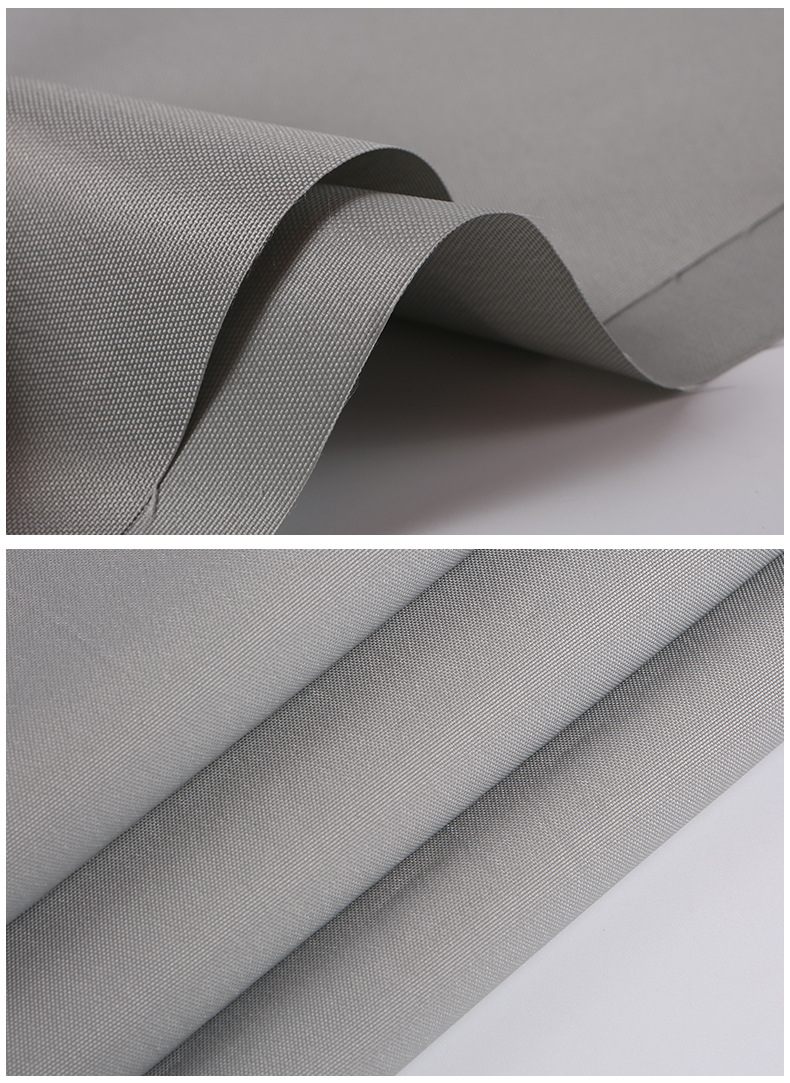
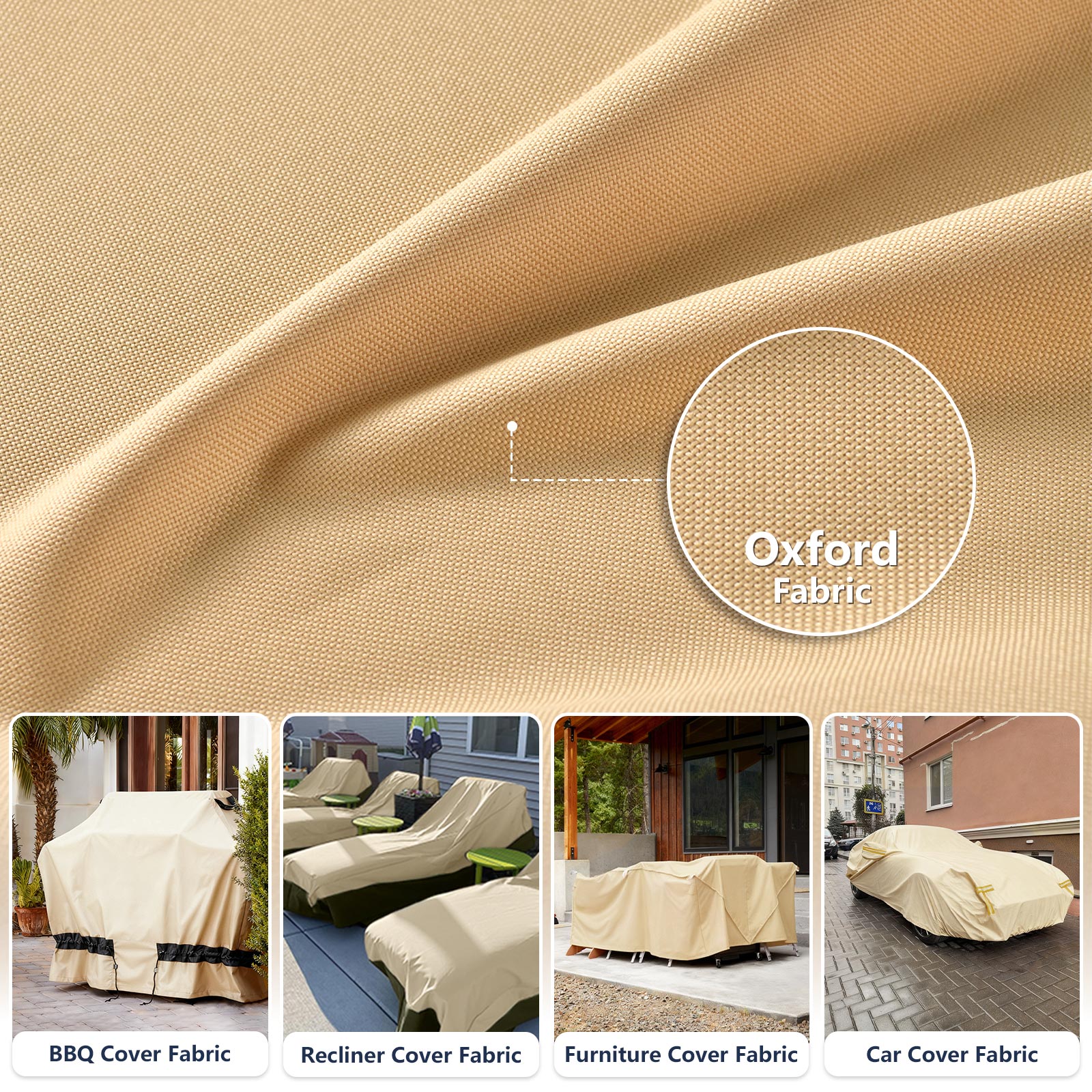
If you have ever used outdoor furniture covers, motorcycle dust covers, or protective storage bags, you are likely to have come into contact with Oxford fabric. Oxford fabric is characterized by its unique basket weave structure, with multiple strands of yarn interwoven to form a textured grid surface. Compared with ordinary fabrics, Oxford fabric is usually thicker, more structured, and more suitable for withstanding pulling, friction and repeated folding during outdoor use.
It can be understood in this way: ordinary fabrics are more like the repeated interweaving of a single thread, while Oxford fabric is more like the fabric structure formed by the interlacing of multiple strands of yarn. This structure can enhance the stability of the fabric, making it more suitable for products like outdoor covers that have requirements for durability.
Another advantage of Oxford fabric is its strong adaptability. During production, the yarn thickness, weaving density and post-treatment process can be adjusted according to different uses, enabling the fabric to cover a wide range of specifications from light and thin to thick and heavy. Therefore, it can be applied to different grades of cover products, from basic dust covers to outdoor protective covers, and the corresponding specifications can be selected according to the needs.
What Makes It Waterproof?
Oxford fabric itself is not naturally waterproof. It usually acquires its waterproof performance through a coating process. Common coating materials include PU (polyurethane) and PVC (polyvinyl chloride). These coatings form a protective layer on the surface or back of the fabric, helping to prevent moisture from seeping through the fabric gaps.
It can be imagined as covering the surface of a sponge with a thin film. The sponge itself can absorb water, but after adding a protective layer, water is less likely to directly enter the interior. The principle of waterproof Oxford fabric is similar: the base fabric provides structural strength, while the coating is responsible for enhancing water resistance, protection and durability.
Different coating types, coating thicknesses and processing techniques will bring about different levels of waterproof effects. Some fabrics are suitable for short periods of light rain, while others are more appropriate for long-term outdoor use. Therefore, when choosing the fabric for the cover, it is necessary to make a judgment based on the actual application scenarios and performance requirements.