Waterproof Materials Used in Umbrellas
Why Waterproof Fabric Matters in Umbrellas
Protection Against Rain and Moisture
Let’s be honest—an umbrella is only as good as the fabric that covers it. You might have the strongest frame in the world, but if the canopy leaks or absorbs water, the whole product fails its purpose. That’s why waterproof materials used in umbrellas are not just a feature—they’re the foundation of performance.
A high-quality waterproof fabric works like a shield with a slippery surface. Instead of soaking in, water forms droplets and slides off effortlessly. This isn’t just satisfying to watch—it’s critical for keeping the umbrella lightweight and functional during heavy rain. If water gets absorbed, the fabric becomes heavier, stretches more easily, and eventually loses its shape and strength.
Durability and Long-Term Use
But waterproofing alone isn’t enough. Imagine using your umbrella daily under harsh sunlight, strong winds, and sudden storms. Over time, low-quality materials start to crack, fade, or even tear. That’s why durability is just as important as water resistance.
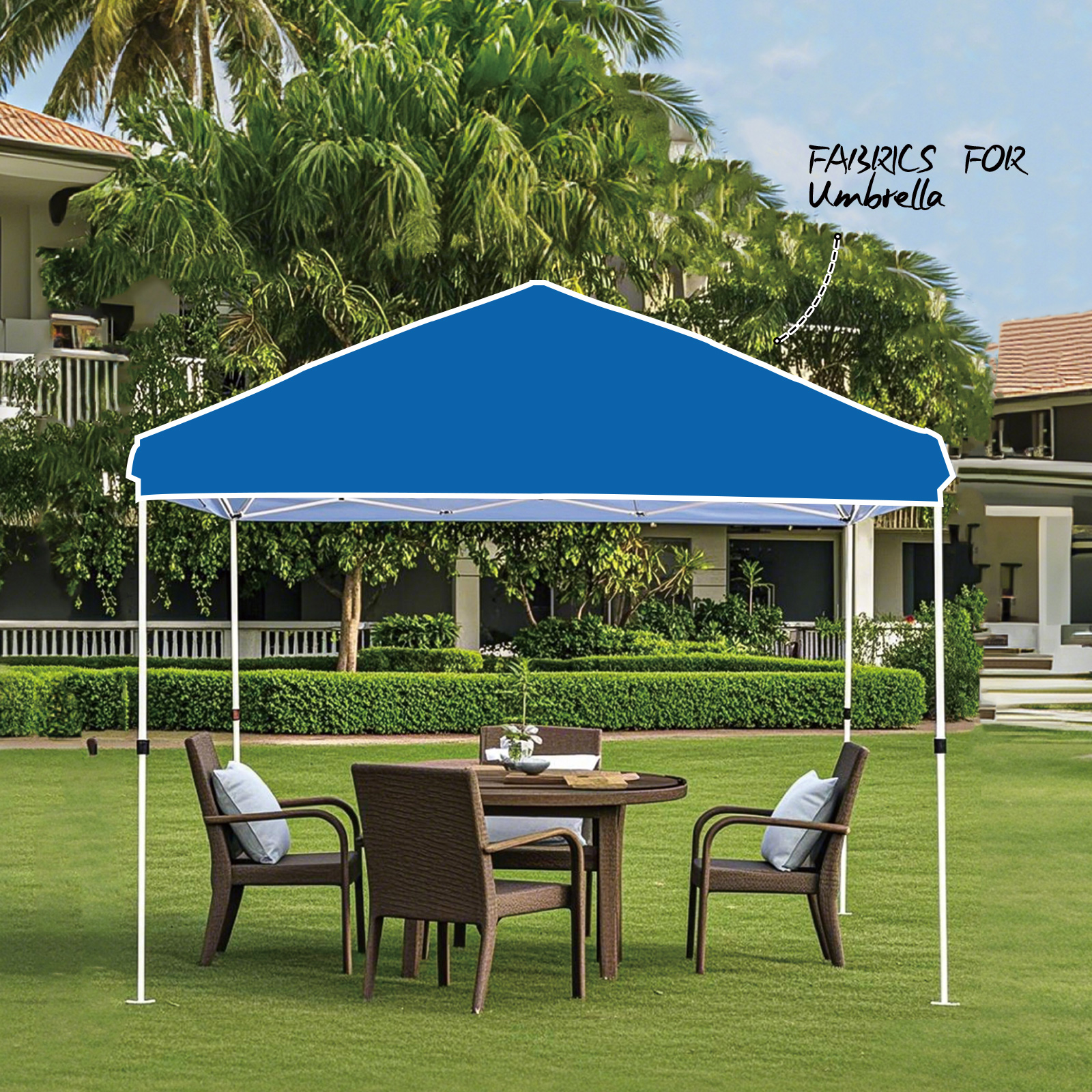
Modern umbrella fabrics are designed to handle long-term outdoor exposure, combining strong fiber structures with advanced coatings. This ensures that the umbrella doesn’t just survive a rainy day—it performs consistently over months and years. For outdoor commercial umbrellas, like patio or beach umbrellas, this durability becomes even more critical.
Common Waterproof Materials in Umbrellas
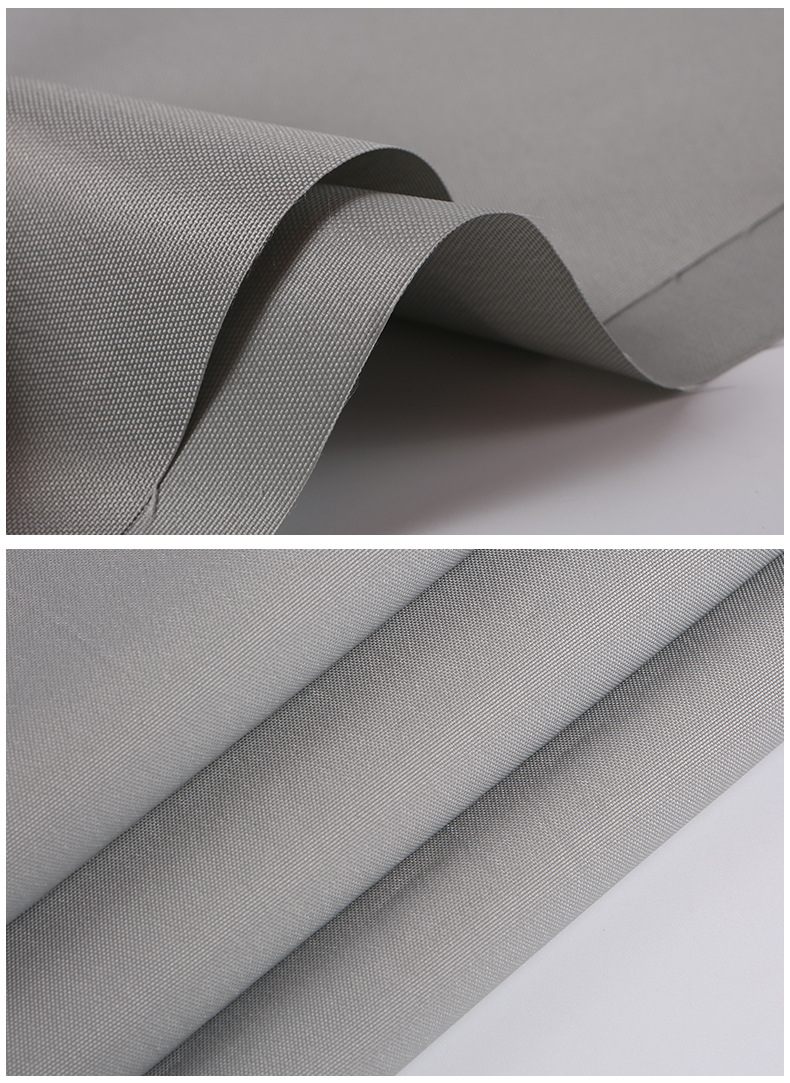
Polyester Fabric
Polyester is the backbone of the umbrella industry. It’s affordable, durable, and naturally resistant to moisture. When coated properly, polyester fabric becomes highly waterproof, making it the most commonly used material for both consumer and commercial umbrellas.
Another reason polyester dominates is its excellent UV resistance. Unlike some materials that degrade quickly under sunlight, polyester maintains its strength and color, making it ideal for outdoor use.
Nylon Fabric
Nylon is lighter and more flexible than polyester, which makes it popular for compact and travel umbrellas. It has a smooth surface that allows water to roll off easily, but it tends to absorb more moisture over time compared to polyester.
Because of this, nylon is often used in applications where portability is more important than long-term durability.