2025-04-21
The Crucial Final Inspection in Fabric Production
The Significance of Final Inspection
The final inspection is not just a routine check; it's a comprehensive evaluation that safeguards the reputation of fabric producers and the satisfaction of end - users. Flawed fabrics can lead to a series of problems, from customer complaints and returns to damage to the brand image. By catching defects at this stage, manufacturers can prevent costly mistakes, reduce waste, and maintain a competitive edge in the market. Additionally, it helps in complying with industry regulations and quality standards, ensuring that the fabrics are safe, durable, and suitable for their intended applications.
The Final Inspection Process
1. Visual Inspection
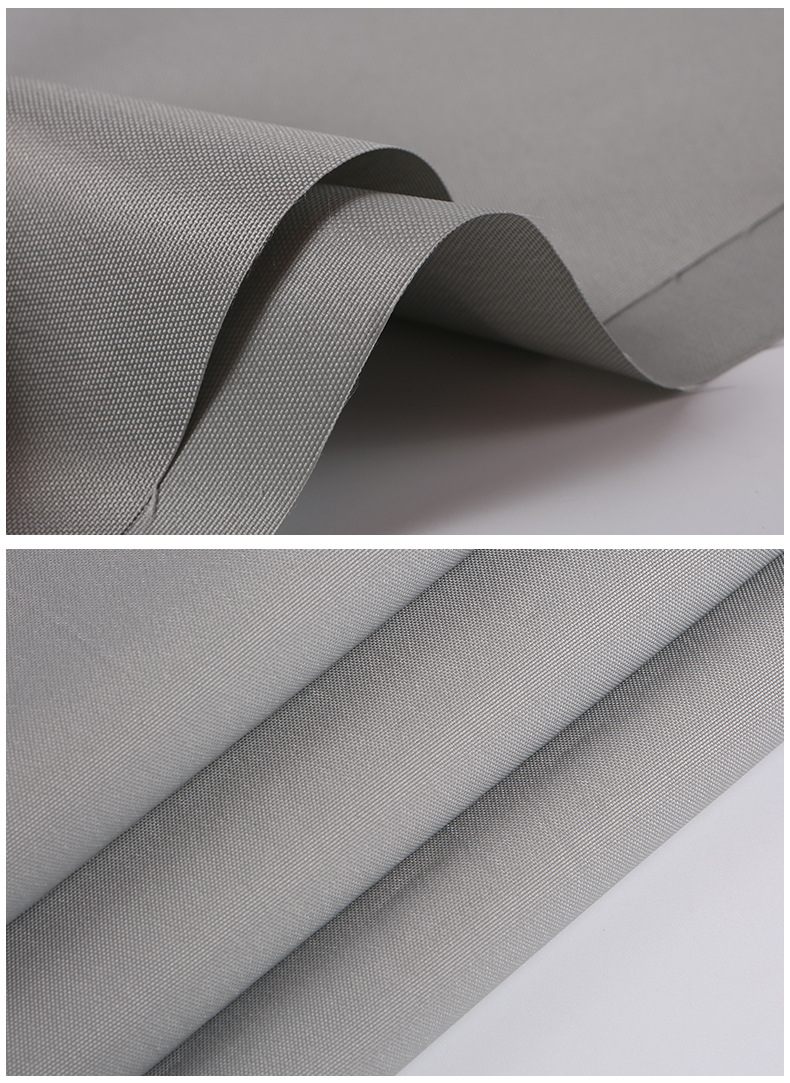
The inspection process typically begins with a visual examination. Trained inspectors carefully scrutinize the fabric's surface for any visible flaws. This includes looking for color inconsistencies, such as uneven dyeing or color bleeding. Spots, stains, and discolorations are also identified at this stage. Any irregularities in the fabric's texture, like slubs, bumps, or thinning areas, are noted. Additionally, inspectors check for weaving or knitting defects, such as broken threads, misaligned patterns, or loose loops. A keen eye during visual inspection can detect many issues that might affect the fabric's appearance and usability.
2. Physical Testing
After the visual inspection, various physical tests are conducted to assess the fabric's performance and durability. Tensile strength testing is crucial to determine how much force the fabric can withstand before breaking. This is important for fabrics used in clothing, upholstery, and industrial applications. Tearing strength tests are also performed to evaluate the fabric's resistance to tearing along its edges or seams.
Fabric shrinkage is another key aspect of physical testing. Samples of the fabric are washed and dried according to specified procedures, and the percentage of shrinkage is measured. Excessive shrinkage can render garments or home textiles unusable, so controlling this factor is essential.
Colorfastness is tested to ensure that the fabric's colors do not fade or bleed during washing, dry - cleaning, or exposure to sunlight. This is particularly important for fabrics used in clothing and home decor, as color - fading can significantly reduce the product's aesthetic appeal.
3. Functional Testing
For specialized fabrics, functional testing is necessary. For example, waterproof fabrics are subjected to water - resistance tests to check if they can effectively repel water. Breathable fabrics used in sportswear or outdoor gear are tested to ensure that they allow sweat and moisture to escape while keeping the wearer dry. Flame - retardant fabrics are tested to verify their ability to resist burning and meet safety standards.
Common Defects and How to Address Them
During the final inspection, several common defects may be identified. Color variations can be caused by inconsistent dyeing processes or differences in raw materials. To address this, manufacturers may need to adjust their dyeing techniques, ensure better control of dye concentrations, or source more consistent raw materials.
Weaving or knitting defects often result from machine malfunctions or operator errors. Regular maintenance of production equipment and proper training of operators can help reduce these issues. In case of detected defects, the affected sections of the fabric may be cut out, or the entire roll may be rejected if the problem is widespread.
Fabric shrinkage problems can be mitigated by pre - shrinking the fabric during the production process or by providing accurate care instructions to consumers to minimize shrinkage during use.
Conclusion
The final inspection in fabric production is an indispensable step that guarantees the quality, functionality, and safety of fabric products. Through a combination of visual inspection, physical testing, and functional testing, manufacturers can identify and rectify defects, ensuring that only the best - quality fabrics reach the market. As the demand for high - quality fabrics continues to grow, investing in a thorough and meticulous final inspection process is not just a choice but a necessity for fabric producers aiming to succeed in a competitive industry.