
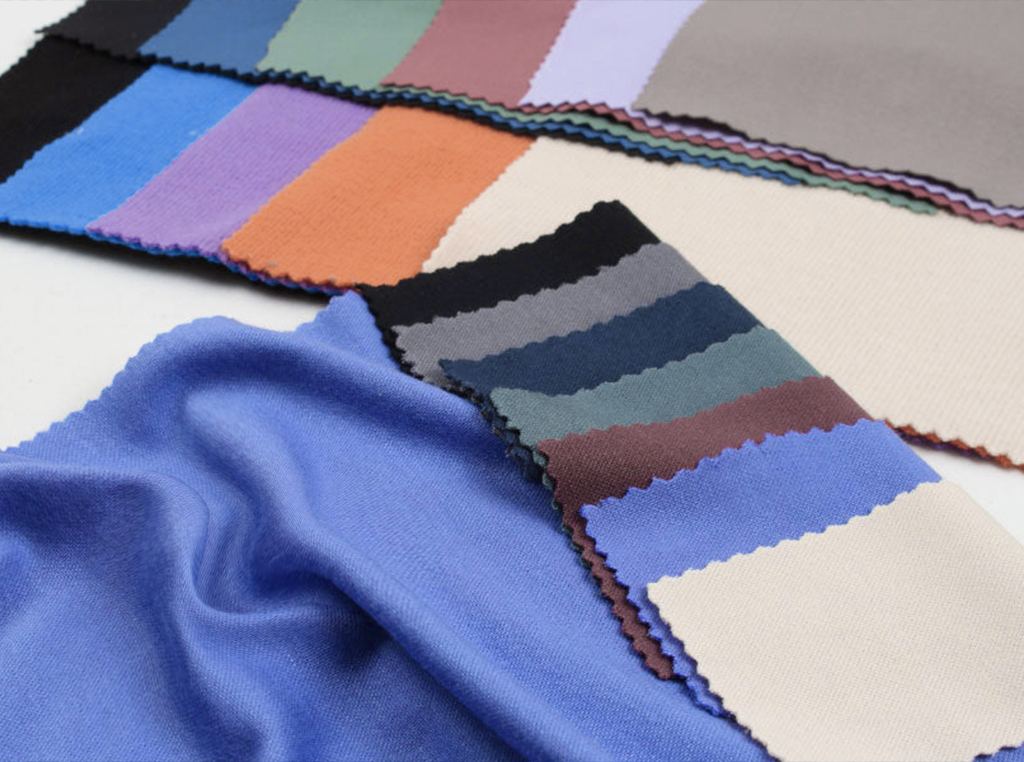
PVC vs PU Coated Fabric: Which Fabric Is Better for Your Application
Understanding Coated Fabrics in Modern Manufacturing
When you hear the term coated fabric, you might imagine a simple waterproof layer added on top of ordinary textile. In reality, coating technology has become one of the most important innovations in modern fabric manufacturing. It transforms ordinary textiles into high-performance materials that resist water, UV radiation, abrasion, and harsh outdoor conditions.
Among the various coating technologies available today, PVC (Polyvinyl Chloride) and PU (Polyurethane) are the two most widely used solutions in the textile industry. Both coatings are designed to enhance the functionality of fabrics, but they do so in different ways. The choice between them affects product durability, flexibility, weight, and environmental performance.
Industries such as outdoor equipment, transportation, marine applications, construction, and furniture manufacturing all rely heavily on coated fabrics. Products like awnings, tents, tarpaulins, backpacks, outdoor furniture covers, and luggage would struggle to survive long-term outdoor exposure without protective coatings.
This is exactly where experienced fabric manufacturers play a critical role. Companies like HongdaTEX, a professional outdoor fabric manufacturer with more than 30 years of industry experience, specialize in developing advanced coated fabrics for demanding applications. With over 700 employees, a production capacity exceeding 1 million meters of fabric per day, and partnerships with more than 20 global brands, HongdaTEX provides reliable material solutions for outdoor products worldwide.
Understanding the differences between PVC and PU-coated fabric is essential for selecting the right material for your product or business.
What Is PVC Coated Fabric?
How PVC Coating Is Applied to Fabric
PVC-coated fabric is produced by applying a layer of polyvinyl chloride resin onto a base textile such as polyester or nylon. The process involves mixing PVC resin with plasticizers and stabilizers to create a liquid compound that can be evenly spread onto the fabric surface.
Once the coating is applied, the fabric passes through a heating and curing process. This stage allows the PVC to bond firmly with the textile fibers, forming a thick protective layer that seals the fabric from moisture and environmental damage.
Because the coating layer is relatively thick, PVC fabrics typically have higher weight and structural strength compared with other coated textiles. This makes them especially suitable for industrial and heavy-duty outdoor applications.
Many professional fabric manufacturers, including HongdaTEX, produce high-performance PVC-coated fabrics designed for demanding outdoor environments. These fabrics are widely used in industries such as awning manufacturing, outdoor furniture, transportation covers, and marine equipment.
Key Characteristics of PVC-Coated Materials
PVC-coated fabrics are well known for their exceptional durability and waterproof performance. The coating forms a complete barrier that prevents water penetration even during heavy rain or prolonged exposure to moisture.
Another important advantage is excellent resistance to chemicals, UV radiation, and abrasion. This durability allows PVC fabrics to maintain their performance in harsh outdoor conditions for extended periods.
However, the thicker coating also makes PVC fabrics heavier and less flexible than PU-coated fabrics. In certain situations—especially when the material must bend or fold frequently—this rigidity can become a disadvantage.
Despite this limitation, PVC-coated fabrics remain the preferred solution for products that require maximum strength and long-term outdoor resistance, such as truck tarps, industrial covers, and large outdoor structures.
What Is PU Coated Fabric?
How Polyurethane Coating Works
PU-coated fabric uses polyurethane polymers as the protective layer applied to the textile surface. Compared with PVC coatings, PU layers are usually thinner and lighter, which allows the original fabric characteristics to remain more intact.
The polyurethane coating creates a waterproof surface while maintaining flexibility. In many cases, the coating also allows a small amount of moisture vapor to escape, providing a degree of breathability that PVC coatings cannot offer.
Because PU coatings can be applied precisely and evenly, they are commonly used in high-performance outdoor fabrics. The coating thickness can be adjusted to balance waterproof performance with weight and flexibility.
Manufacturers like HongdaTEX often develop PU-coated fabrics specifically for applications where lightweight performance and comfort are essential, such as outdoor clothing, backpacks, and lightweight camping equipment.
Key Characteristics of PU-Coated Fabrics
One of the most notable advantages of PU-coated fabrics is their soft texture and flexibility. Unlike PVC-coated materials that feel rigid, PU fabrics maintain the natural drape and feel of the base textile.
Another key benefit is reduced weight. PU-coated fabrics are significantly lighter, making them ideal for portable products like luggage, outdoor gear, and travel accessories.
PU coatings also offer improved breathability, which helps prevent condensation and moisture buildup inside products like tents or rain jackets. This feature enhances user comfort, especially during extended outdoor activities.
The trade-off is that PU coatings may not match PVC in extreme durability or heavy-duty industrial applications. Still, for many consumer products, PU provides an excellent balance of performance and comfort.
PVC vs PU Coated Fabric: Core Differences Explained
Weight and Flexibility
Weight is one of the most noticeable differences between PVC and PU coatings. PVC-coated fabrics are typically heavier and stiffer, while PU-coated fabrics are lighter and more flexible.
For products such as awnings or truck covers, weight is not a major concern. In these cases, the strength of PVC-coated fabric becomes an advantage. However, for products like backpacks or tents, the lighter weight of PU-coated fabrics makes them much more practical.
Waterproofing and Weather Resistance
Both coatings offer strong waterproof performance, but PVC provides complete waterproof sealing because the coating forms a solid barrier.
PU coatings also provide excellent water resistance, but they rely more on the coating thickness and fabric construction. In most outdoor gear applications, PU waterproof performance is more than sufficient.
Durability and Abrasion Resistance
PVC coatings generally outperform PU coatings in heavy-duty durability. Their thicker structure protects the fabric from abrasion, tearing, and environmental stress.
This is why PVC-coated materials are widely used in industrial tarpaulins, transportation covers, and outdoor structures.
Breathability and Comfort
Breathability is where PU coatings clearly stand out. They allow limited vapor transmission, reducing moisture buildup inside products such as clothing or tents.
PVC coatings, by comparison, are completely non-breathable, which can cause condensation in enclosed environments.
PVC vs PU Fabric Comparison Table
| Feature | PVC Coated Fabric | PU Coated Fabric |
|---|---|---|
| Waterproof Performance | Extremely high | High |
| Weight | Heavy | Lightweight |
| Flexibility | Low | High |
| Breathability | None | Moderate |
| Durability | Very high | Moderate to high |
| Typical Applications | Tarps, awnings, covers | Bags, tents, jackets |
Environmental Impact and Sustainability Considerations
Sustainability has become an increasingly important factor in textile manufacturing. Traditional PVC production may involve chemicals that raise environmental concerns during manufacturing and disposal.
PU coatings are often considered more environmentally friendly, especially when produced using water-based technologies.
Forward-thinking manufacturers such as HongdaTEX are actively focusing on sustainable production practices. The company holds certifications including ISO 9001, ISO 14001, Oeko-Tex Standard 100, and SGS, demonstrating its commitment to environmental responsibility and product safety.
HongdaTEX uses cleaner production technologies and strict quality controls to ensure its coated fabrics meet the expectations of global brands and environmentally conscious customers.
Why Many Global Brands Choose HongdaTEX Coated Fabrics
Selecting the right fabric supplier is just as important as choosing the coating technology itself. Global outdoor brands typically look for manufacturers with strong production capacity, strict quality standards, and proven experience.
HongdaTEX stands out in this regard. With more than 30 years of manufacturing expertise and a factory area exceeding 100,000 square meters, the company has become a trusted supplier of outdoor fabrics.
Key advantages of HongdaTEX include:
- Production capacity of over 1 million meters of fabric per day
- Partnerships with 20+ international brands
- Advanced coating and textile technologies
- Strict quality management systems
- Sustainable manufacturing practices
HongdaTEX fabrics are widely used in products such as outdoor furniture, tents, awnings, backpacks, luggage, umbrellas, and sofas. The company provides both PVC-coated and PU-coated fabric solutions, allowing customers to choose the best material for their specific product requirements.
Common Applications of PVC Coated Fabrics
Industrial and Heavy-Duty Uses
PVC-coated fabrics dominate in industries where durability and weather resistance are critical.
Typical applications include:
- Truck and trailer covers
- Industrial tarpaulins
- Outdoor awnings and canopies
- Marine equipment covers
- Inflatable structures
These applications require materials that can withstand extreme weather, heavy loads, and constant outdoor exposure.
Common Applications of PU Coated Fabrics
Lightweight Outdoor Gear and Consumer Products
PU-coated fabrics are widely used in consumer outdoor products where flexibility and weight matter more than extreme durability.
Common applications include:
Backpacks and travel bags
Outdoor clothing
Camping tents
Sports equipment
Lightweight luggage
These products benefit from the soft texture, lighter weight, and improved comfort of PU-coated fabrics.
How to Choose Between PVC and PU Coated Fabrics
Choosing between PVC and PU-coated fabrics ultimately depends on the specific requirements of the product.
If your product requires maximum durability, heavy-duty performance, and long-term outdoor resistance, PVC-coated fabrics are usually the best option.
However, if the product requires lightweight design, flexibility, and user comfort, PU-coated fabrics will likely deliver better performance.
Working with experienced manufacturers like HongdaTEX can help businesses evaluate their product needs and select the most suitable fabric solution.
Conclusion
The comparison between PVC and PU-coated fabric highlights two different approaches to waterproof textile performance. PVC coatings provide unmatched durability and weather resistance, making them ideal for industrial and heavy-duty outdoor applications.
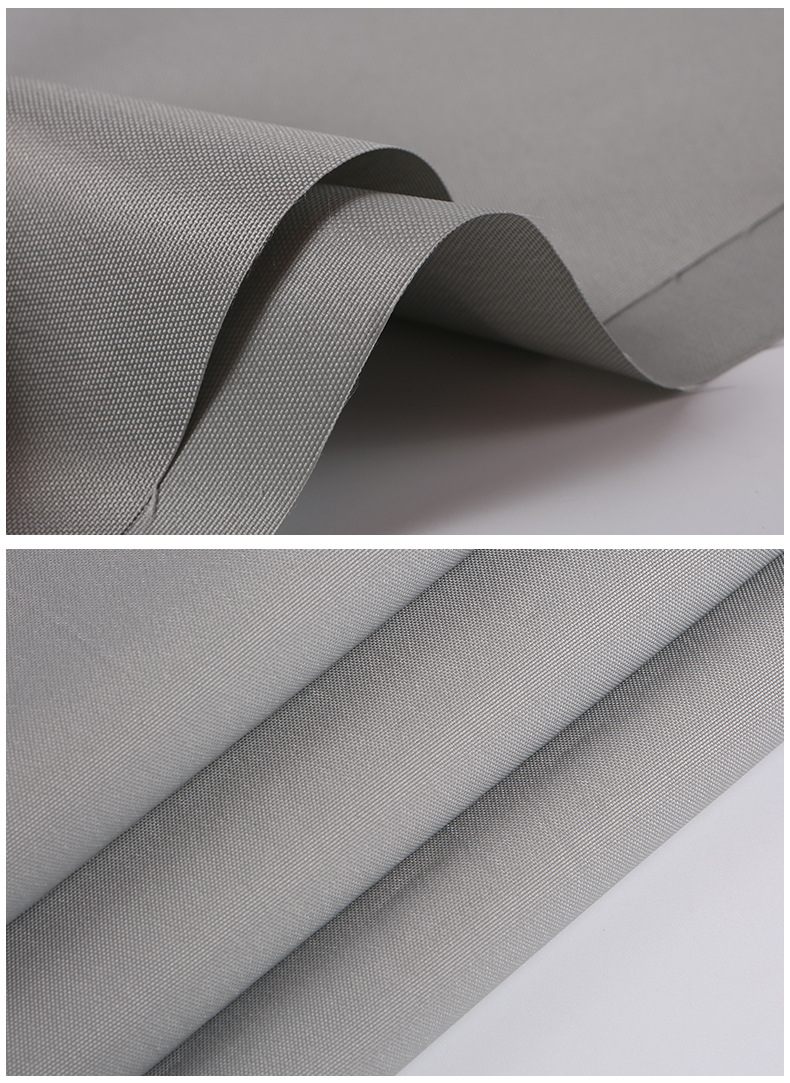
PU coatings focus on lightweight flexibility and comfort, which makes them perfect for consumer products and portable outdoor equipment.
For businesses developing outdoor products, selecting the right coating is only part of the equation. Partnering with a reliable manufacturer such as HongdaTEX ensures consistent quality, strong production capacity, and advanced textile expertise.
With decades of experience and a commitment to sustainable manufacturing, HongdaTEX continues to supply high-performance coated fabrics trusted by global brands.
Looking for reliable PVC or PU-coated fabrics for your next project? Contact HongdaTEX today to discover high-performance outdoor fabric solutions!