
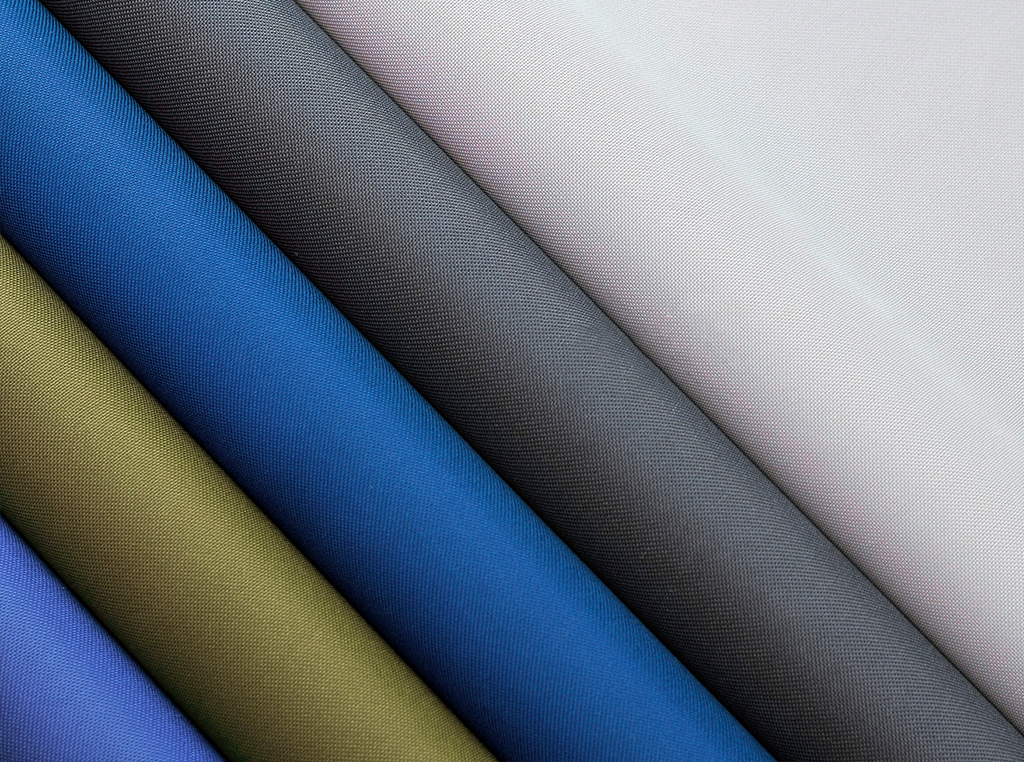
{当前产品的产品关键词轮巡使用}
2026-03-20

Oxford Fabric Manufacturer Guide

What Is Oxford Fabric?

Structure and Material Composition

Let’s start with the basics—what exactly is Oxford fabric, and why is it everywhere in the outdoor products world? At its core, Oxford fabric is a type of woven textile characterized by its basket weave structure, where multiple yarns cross each other in a grid-like pattern. This structure is what gives the fabric its strength and durability. Unlike plain weaves, Oxford fabric distributes tension more evenly, making it resistant to tearing and wear.

Most modern Oxford fabrics are made from polyester or nylon, with polyester being the more popular choice for outdoor applications. Why? Because polyester offers better UV resistance, lower moisture absorption, and cost efficiency. Manufacturers often enhance these base materials with coatings like PU (polyurethane) or PVC, transforming them into high-performance fabrics that can withstand rain, sunlight, and harsh environments. So when you hear “Oxford fabric,” you’re not just talking about a textile—you’re talking about a functional material engineered for protection.

Why It’s Popular in Outdoor Applications

Oxford fabric has become the go-to material for outdoor products, and it’s not hard to see why. It’s like the Swiss Army knife of fabrics—versatile, reliable, and adaptable. Whether you’re making furniture covers, tents, bags, or awnings, this fabric delivers consistent performance. Its ability to combine strength, flexibility, and weather resistance makes it ideal for demanding conditions.

Another reason for its popularity is its customizability. Manufacturers can adjust the denier (thickness), coating type, and finishing process to meet specific needs. This means the same base fabric can be used for lightweight covers or heavy-duty industrial protection. For buyers, this flexibility is a huge advantage—it allows you to source exactly what your product requires without compromising on quality or cost.

Types of Oxford Fabric Offered by Manufacturers

Polyester Oxford Fabric

Among all types, polyester Oxford fabric dominates the market. It’s the preferred choice for most outdoor applications due to its excellent balance of durability, cost, and performance. Polyester fibers are naturally resistant to UV rays and moisture, which makes them ideal for long-term outdoor use.

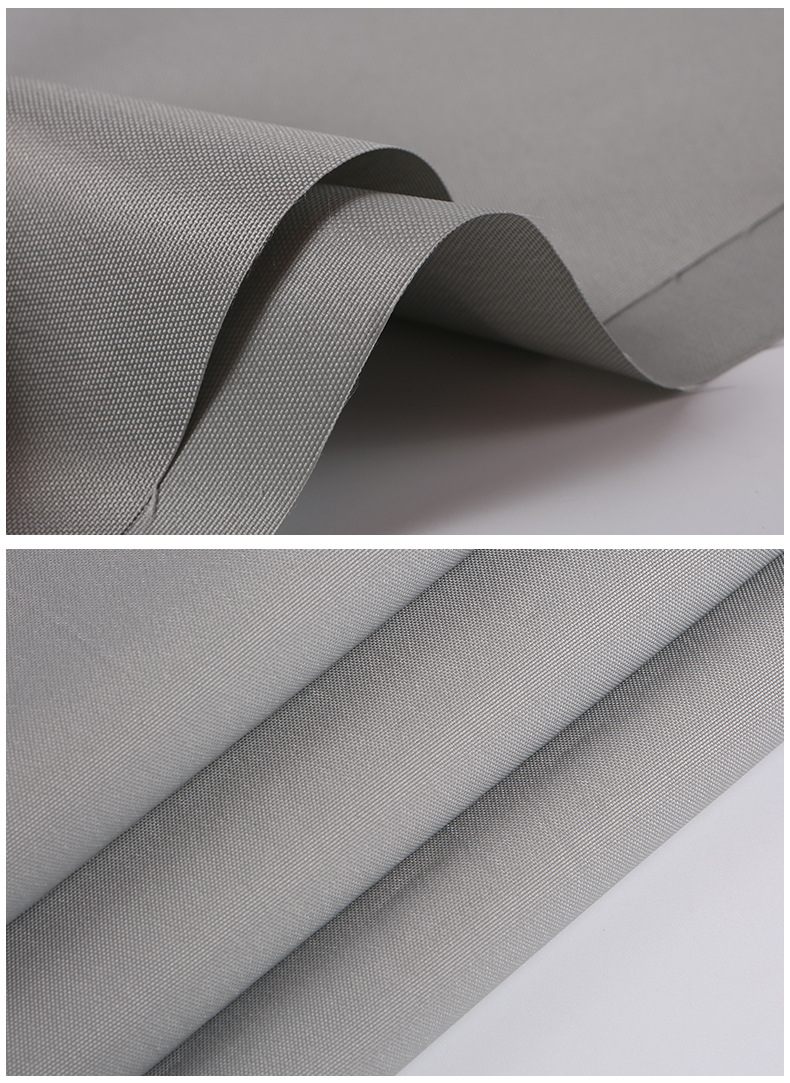
Manufacturers often produce polyester Oxford fabrics in different deniers, such as 210D, 420D, 600D, and 1680D, each offering varying levels of strength and weight. This allows buyers to select the right fabric based on their product requirements. For example, 420D might be suitable for lightweight covers, while 600D is better for heavy-duty applications.

Nylon Oxford Fabric

Nylon Oxford fabric is known for its superior strength and elasticity. It’s tougher than polyester in terms of tensile strength, which makes it ideal for products that require high durability, such as military gear or heavy-duty backpacks. However, nylon has a downside—it absorbs more water and can degrade faster under UV exposure.

Because of this, nylon Oxford fabric is often used in specialized applications rather than general outdoor covers. It’s a great option when strength is critical, but for most outdoor uses, polyester remains the more practical choice.

Coated and Functional Fabrics

To meet modern demands, manufacturers offer coated Oxford fabrics with enhanced performance features. These coatings can provide:

  • Waterproofing (1000mm to 10,000mm+)
  • UV resistance
  • Flame retardancy
  • Anti-mildew properties

These functional fabrics are essential for outdoor and industrial applications where standard materials simply won’t suffice. They turn basic fabric into a high-performance solution capable of handling extreme conditions.

Key Specifications Buyers Must Understand

Denier (D) Explained

Denier is one of the most important specifications in Oxford fabric. It measures the thickness of the yarn, and it directly impacts the fabric’s strength and weight. Higher denier fabrics are thicker and more durable, while lower denier fabrics are lighter and more flexible.

Understanding denier helps you match the fabric to your application. For instance, a 600D fabric will provide better protection for outdoor furniture than a 420D fabric, but it will also be heavier and more expensive.

Waterproof Rating and Coating Types

Waterproof performance is measured in millimeters (mm), indicating how much water pressure the fabric can withstand. For example, a fabric with a 3000mm rating can resist moderate rain, while a 10,000mm rating is suitable for heavy downpours.

Coatings like PU and PVC play a crucial role here. PU coatings are lighter and more flexible, while PVC coatings offer superior waterproofing and durability. Choosing the right coating depends on your product’s intended use.

Tear Strength and Durability

Tear strength is another critical factor, especially for outdoor covers. High-quality Oxford fabrics can achieve tear strengths above 60N, ensuring they won’t easily rip under stress. This is particularly important for products exposed to wind or heavy use.

How Oxford Fabric Is Manufactured

Weaving Process

The manufacturing process begins with weaving the yarn into the characteristic Oxford pattern. This step determines the fabric’s base strength and texture. Advanced looms ensure consistent quality and precise construction.

Dyeing and Finishing

After weaving, the fabric undergoes dyeing and finishing processes. This includes adding color, coatings, and protective treatments. High-quality manufacturers use advanced techniques to ensure color fastness and durability, even under harsh conditions.

How to Evaluate an Oxford Fabric Manufacturer

Production Capacity

One of the first things to consider is production capacity. Can the manufacturer handle large orders? Do they have the infrastructure to ensure timely delivery? A strong production capability indicates reliability and scalability.

Quality Control Systems

Quality control is non-negotiable. Look for manufacturers with strict testing procedures and advanced equipment. This ensures that every batch meets consistent standards.

Certifications and Compliance

Certifications like ISO 9001, ISO 14001, and Oeko-Tex Standard 100 are indicators of a manufacturer’s commitment to quality and sustainability. Third-party testing from organizations like SGS adds another layer of trust.

HongdaTEX – A Reliable Oxford Fabric Manufacturer

Company Overview

HongdaTEX is a leading outdoor fabric manufacturer with over 30 years of experience in the industry. The company employs more than 700 staff and operates a 100,000+ square meter smart factory, capable of producing up to 1 million meters of fabric per day. This scale allows HongdaTEX to serve global clients efficiently and consistently.

The company supplies fabrics to over 20 international brands, including major retailers like Walmart, Carrefour, and Costco. This global presence reflects its strong competitiveness and reliability in the market.

Product Range and Applications

HongdaTEX offers a comprehensive range of polyester Oxford fabrics tailored for different applications:

  • Cover fabrics: Waterproof (1000–10,000mm), tear strength above 60N, excellent UV resistance
  • Bag fabrics: High abrasion resistance (50,000+ cycles), durable and lightweight
  • Tent fabrics: Waterproof 5,000–10,000mm, strong tear resistance​​​​​​​
  • Umbrella fabrics: High light fastness (grade 4), UV-resistant​​​​​​​
  • Sofa fabrics: Durable, wear-resistant, and water-repellent​​​​​​​

These fabrics are widely used in outdoor furniture, tents, awnings, patio decoration, luggage, and apparel, making HongdaTEX a one-stop solution for buyers.

Why Choosing the Right Supplier Matters

Choosing the right Oxford fabric manufacturer is like choosing a business partner—it affects your product quality, brand reputation, and customer satisfaction. A reliable supplier ensures consistent quality, timely delivery, and technical support.

HongdaTEX stands out not only for its production capacity and product quality but also for its commitment to sustainability and innovation. By using eco-friendly materials and green manufacturing processes, the company meets both performance and environmental standards.

Looking for a trusted Oxford fabric manufacturer? Send your inquiry today to HongdaTEX for samples, quotations, and customized solutions tailored to your business needs.

Conclusion

Oxford fabric is a versatile and essential material for countless applications, especially in outdoor environments. Understanding its types, specifications, and manufacturing process is key to making informed purchasing decisions. Whether you need lightweight flexibility or heavy-duty durability, there’s an Oxford fabric designed for your needs.

Partnering with a professional manufacturer like HongdaTEX ensures you get high-quality fabrics backed by decades of experience, advanced production capabilities, and global certifications. The right fabric—and the right supplier—can elevate your products and strengthen your market position.