
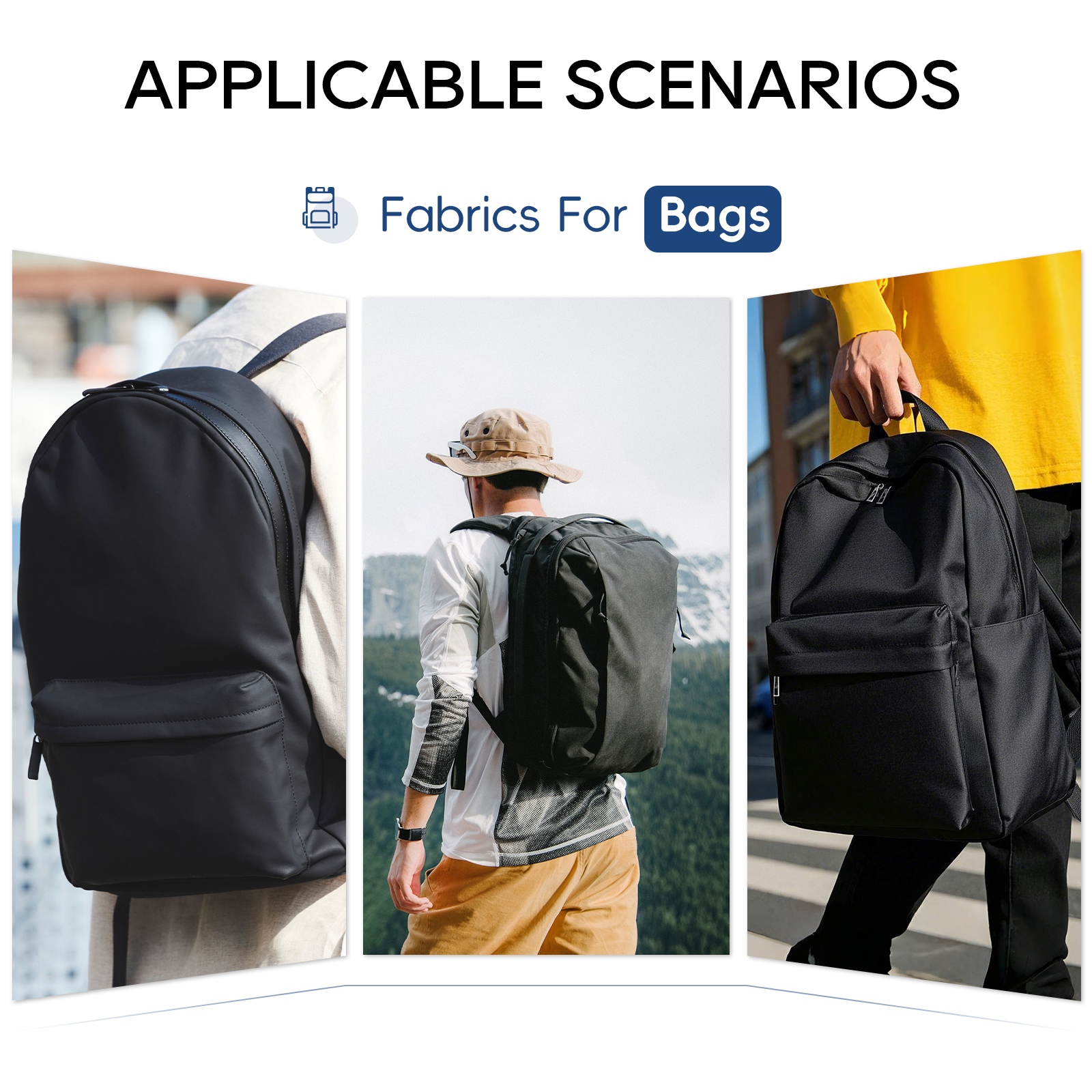
{当前产品的产品关键词轮巡使用}
2026-03-13

Oxford Fabric for Bags: Complete Guide for Manufacturers

What Is Oxford Fabric for Bags?

Oxford fabric has become one of the most trusted materials in the bag manufacturing industry. Whether you’re carrying a backpack to school, packing a travel duffel for a weekend trip, or hauling equipment in a tactical gear bag, chances are the material holding everything together is Oxford fabric. But what makes this fabric such a popular choice for bag makers and outdoor brands?

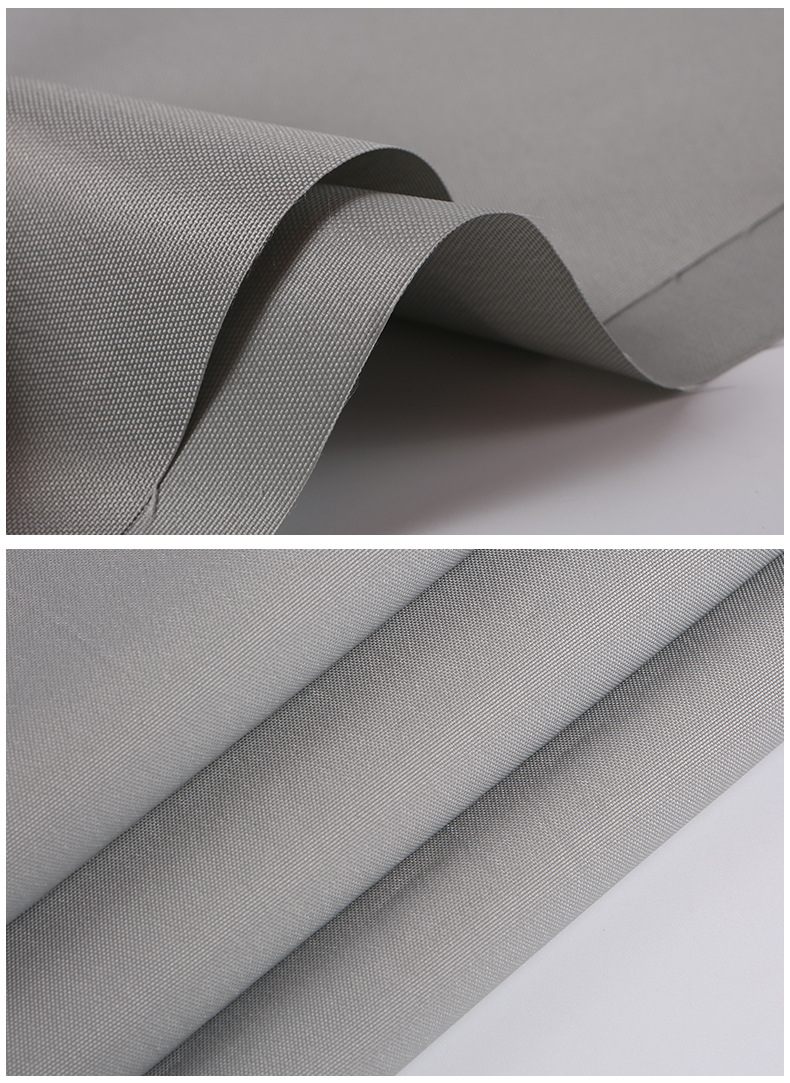
Oxford fabric is a woven textile characterized by a basket weave structure, where multiple yarns interlace in both warp and weft directions. This structure gives the material a subtle textured appearance and significantly improves its strength compared with standard plain-weave fabrics. Because of this construction, Oxford fabric can handle repeated stress, making it ideal for products that experience heavy daily use.

When manufacturers produce bags, they need materials that balance durability, flexibility, and weight. Oxford fabric checks all three boxes. The material can be engineered using polyester or nylon fibers and can be coated with protective layers to improve water resistance or abrasion performance. These modifications allow the fabric to adapt to various bag designs—from lightweight daypacks to rugged travel luggage.

Another reason Oxford fabric dominates the bag industry is its versatility in customization. Designers can choose different yarn thicknesses, finishes, and colors to create products that match specific functional or aesthetic requirements. Whether the goal is a fashionable commuter backpack or a heavy-duty military pack, Oxford fabric can be tailored to meet those needs.

In many ways, Oxford fabric works like the structural framework of a building. It provides the essential support that ensures the bag maintains its shape, protects its contents, and withstands daily wear and tear. Without this strong foundation, even the most stylish bag would quickly lose its reliability.

Understanding the Basket Weave Structure

The distinctive basket weave construction is what gives Oxford fabric its reputation for durability. Unlike simple weaving patterns, basket weaving groups yarns together to create a thicker, stronger textile surface. This pattern distributes tension across several fibers instead of concentrating stress on a single thread.

Imagine pulling on a rope made of several twisted strands rather than a single string. The load spreads across multiple fibers, making the rope much harder to break. Oxford fabric operates under the same principle. The woven yarn groups act like tiny reinforcement cables inside the fabric, increasing its ability to withstand stretching, pulling, and abrasion.

This structure also helps the fabric maintain its shape. Bags made from Oxford fabric often retain their structure even after years of use. For manufacturers, this is a major advantage because it allows the bag to hold a clean, organized appearance while protecting the items inside.

Another interesting benefit of the basket weave is improved resistance to tearing. When a small tear forms in ordinary fabric, it can quickly spread. Oxford fabric slows this process because the interwoven yarn clusters act as barriers that prevent the tear from expanding rapidly.

Because of these structural advantages, Oxford fabric has become a core material in industries ranging from travel gear to military equipment. Its balance of flexibility and toughness makes it perfectly suited for products that must survive constant handling.

Key Properties of Oxford Fabric Used in Bags

Durability and Tear Resistance

Durability is the defining feature that makes Oxford fabric the go-to material for bags. Bags face continuous stress: straps pulling under weight, corners rubbing against surfaces, and constant opening and closing. A weak fabric would quickly fail under these conditions.

Oxford fabric solves this challenge with its high tear strength and abrasion resistance. Lab testing often measures durability using Martindale abrasion cycles, and premium Oxford fabrics can withstand more than 40,000 friction cycles before showing noticeable wear.

The denier of the yarn also plays a major role in durability. Fabrics with higher denier ratings use thicker yarns, resulting in stronger material capable of carrying heavier loads. For example, 600D Oxford fabric has become a standard choice for backpacks because it offers excellent toughness without adding excessive weight.

Water Resistance and Weather Protection

Bags are frequently exposed to unpredictable weather conditions. Rain, humidity, and accidental spills are all part of everyday life. To protect the contents of a bag, Oxford fabric is often treated with PU or PVC coatings, creating a barrier that prevents water from penetrating the textile.

Some coated Oxford fabrics can resist water pressure of up to 3,000 mm, which means they can withstand heavy rainfall without allowing moisture to pass through the fabric.

This level of protection is particularly important for travel backpacks and outdoor equipment bags. A waterproof or water-resistant fabric ensures that electronics, clothing, and essential gear remain dry even during sudden downpours.

Lightweight Structure and Portability

Despite its strength, Oxford fabric remains surprisingly lightweight. This balance between durability and portability is essential for bag design. A heavy fabric might offer strength but would make the bag uncomfortable to carry.

Oxford fabric achieves this balance by using strong synthetic fibers that provide excellent structural integrity without excessive weight. The result is a material that feels sturdy while still being easy to transport.

For example, many everyday backpacks use 300D or 420D Oxford fabric, which offers a strong yet lightweight structure suitable for daily commuting and travel.

Common Types of Oxford Fabric for Bags

Polyester Oxford Fabric

Polyester Oxford fabric is the most commonly used material for bag manufacturing. Polyester fibers offer excellent resistance to moisture, UV exposure, and chemical damage. These properties make the fabric suitable for outdoor and travel bags that must withstand changing environmental conditions.

Another advantage of polyester is its cost efficiency. Manufacturers can produce high-quality fabrics at a relatively affordable price, which helps keep bag production costs manageable while maintaining durability.

Nylon Oxford Fabric

Nylon Oxford fabric is often chosen for premium bags that require higher strength and flexibility. Nylon fibers generally provide superior tensile strength compared with polyester, which makes them ideal for heavy-duty backpacks and professional equipment bags.

However, nylon fabrics are typically more expensive and may require additional coatings to achieve the same level of water resistance as polyester versions.

Understanding Denier Ratings in Bag Fabrics

Denier is one of the most important specifications when choosing Oxford fabric for bags. The term refers to the thickness of the yarn used to produce the fabric.

Denier Characteristics Typical Bag Applications
210D Lightweight and flexible Foldable bags, linings
300D Moderate durability Daypacks and school bags
600D High strength Travel bags and backpacks
1000D+ Heavy-duty Tactical and industrial bags

Oxford fabrics used in bag manufacturing usually range from 210D to 1000D, depending on the required durability and weight balance.

For everyday use, 300D–600D fabrics are considered the industry sweet spot because they combine durability with manageable weight.

Oxford Fabric Coatings for Bag Manufacturing

PU Coating

PU (polyurethane) coating is widely used in bag fabrics because it improves water resistance while maintaining flexibility. This coating forms a thin protective film on the back of the fabric, preventing moisture from penetrating the textile.

PVC Coating

PVC coatings create a thicker and more rigid protective layer. While slightly heavier than PU coatings, PVC treatments provide excellent waterproofing and abrasion resistance. This makes them ideal for heavy-duty bags used in industrial or outdoor environments.

Applications of Oxford Fabric in Different Types of Bags

Backpacks and School Bags

Backpacks must balance durability and comfort. Oxford fabric provides the necessary strength to carry books, laptops, and daily essentials while remaining lightweight enough for long periods of use.

Travel Bags and Luggage

Travel bags often face rough handling during transportation. Oxford fabric’s abrasion resistance helps prevent damage when bags are dragged, stacked, or tossed around during travel.

Tactical and Outdoor Bags

Tactical bags require extreme durability because they are used in challenging environments. High-denier Oxford fabrics, such as 1000D or 1680D, are commonly used in military and outdoor gear to ensure long-lasting performance.

How to Choose the Best Oxford Fabric for Your Bags

Selecting the right Oxford fabric depends on several factors: durability requirements, weight limitations, environmental exposure, and budget.

Lightweight bags typically use 210D or 300D fabrics. Everyday backpacks often rely on 420D or 600D fabrics. Heavy-duty tactical gear may require 900D or higher materials for maximum strength.

Manufacturers must also consider coatings, color fastness, and abrasion resistance when selecting fabrics. These technical details determine how well the bag will perform over time.

Reliable Oxford Fabric for Bags Manufacturer

When choosing materials for bag production, selecting the right supplier is just as important as selecting the right fabric. Consistent quality, stable supply capacity, and strong technical expertise are critical factors for brands and manufacturers looking to produce durable bags for global markets. This is where an experienced fabric manufacturer plays an essential role.

One trusted supplier in the outdoor textile industry is HongdaTEX, a professional manufacturer specializing in high-performance outdoor fabrics, including Oxford fabric for bags, backpacks, luggage, and outdoor equipment.

With more than 30 years of manufacturing experience, HongdaTEX has built a strong reputation for producing durable fabrics that meet the demanding requirements of international brands. The company operates a modern factory covering over 100,000 square meters and employs more than 700 skilled workers, enabling large-scale production and efficient supply for global customers.

One of the key advantages of HongdaTEX is its strong production capacity. The factory can produce up to 1 million meters of fabric per day, ensuring stable supply even for large orders and long-term projects. For bag manufacturers and brands that rely on consistent material quality, this production capability provides significant reliability.

HongdaTEX specializes in producing high-quality Oxford fabrics used in bags, offering features such as:

  • Excellent abrasion resistance for long-lasting durability
  • Reliable water resistance for outdoor environments
  • Strong tear strength to handle heavy loads
  • Lightweight performance for comfortable portability
  • A wide range of colors, textures, and coatings

These fabrics are widely used for a range of bag products, including backpacks, travel bags, luggage, sports bags, and outdoor gear bags.

Quality control is another major strength of the company. HongdaTEX follows strict international manufacturing standards and holds certifications such as:

  • ISO 9001 – Quality Management System
  • ISO 14001 – Environmental Management System
  • OEKO-TEX Standard 100 – Textile Safety Certification

In addition, fabrics are tested by international inspection organizations such as SGS to ensure compliance with global safety and environmental requirements.

Sustainability has also become an important priority in the textile industry. HongdaTEX actively adopts eco-friendly materials and green production technologies, helping reduce environmental impact while maintaining high fabric performance.

Thanks to its strong manufacturing capabilities and strict quality standards, HongdaTEX supplies fabrics to well-known international retailers, including Walmart, Carrefour, and Costco. These partnerships demonstrate the company’s ability to meet the strict requirements of global supply chains.

For bag manufacturers and brands looking for reliable Oxford fabric suppliers, partnering with an experienced factory like HongdaTEX can significantly improve product quality, supply stability, and production efficiency.

Conclusion

Oxford fabric has become one of the most important materials in the bag manufacturing industry. Its basket weave structure provides outstanding durability, while modern coatings add water resistance and weather protection. Combined with flexible denier options and versatile fiber materials, Oxford fabric offers designers a powerful toolkit for creating bags that are both practical and long-lasting.

As the demand for durable travel gear and outdoor equipment continues to grow, Oxford fabric remains a cornerstone of modern bag design. Whether used in everyday backpacks or rugged tactical gear, this fabric delivers the strength, reliability, and adaptability needed to meet real-world challenges.

High-quality materials are the foundation of durable and competitive bag products. Choosing the right Oxford fabric supplier helps ensure consistent performance, reliable delivery, and long-term product value.

If you are looking for a professional Oxford fabric for bags manufacturer, HongdaTEX offers strong production capacity, strict quality control, and flexible customization options to support your projects.

Whether you need fabrics for backpacks, travel bags, luggage, or outdoor equipment, our team can help you select the most suitable materials for your application.

Contact HongdaTEX today to request samples, technical specifications, or a customized quotation. We look forward to supporting your next bag manufacturing project.

Contact information:
Phone: +86 135 8600 7055
Email: [email protected]
Website: www.zjhongda.cn