Introduction to Oxford Fabric for Bags
Oxford fabric is a kind of raw material widely used in the bag and luggage industries. Take a look at the introduction for Oxford fabric for bags about its key features, advantages, market trends and common applications and know why Oxford fabric, especially polyester Oxford fabric, is so welcomed by bag manufacturers.
Understanding Oxford Fabric in Bag Manufacturing
What Is Oxford Fabric
Let's start with a fundamental question: What is Oxford fabric? Why is it so common in the bag and luggage industry?
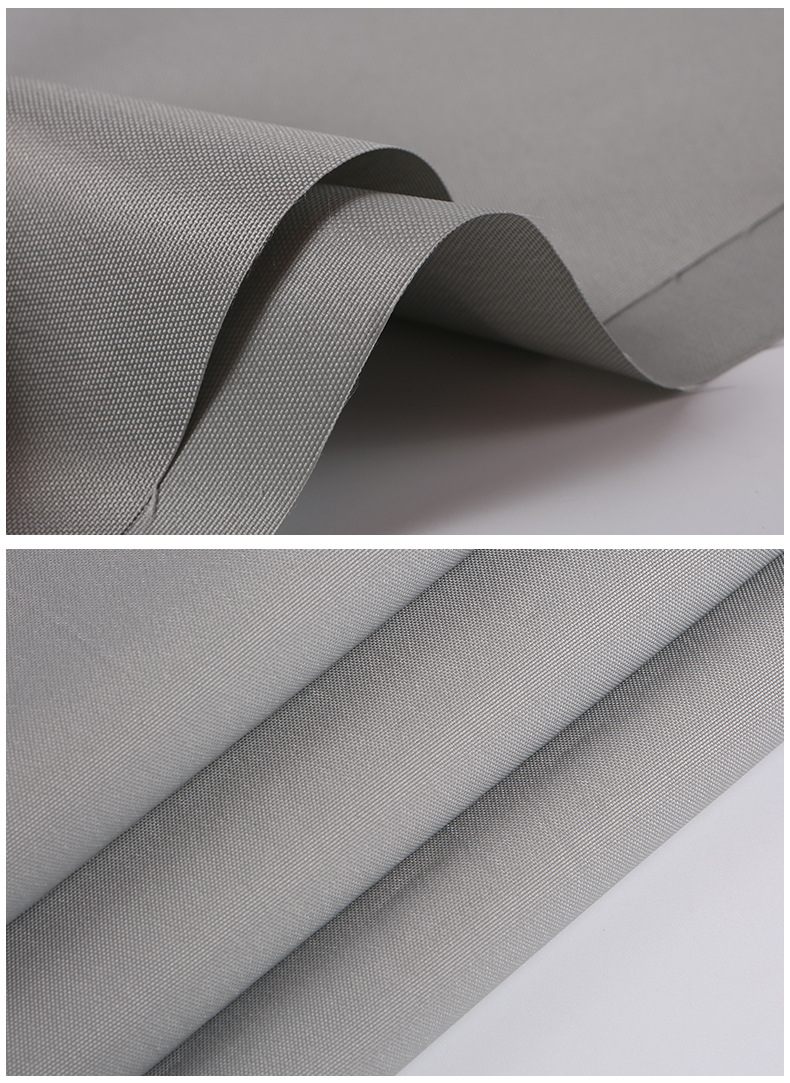
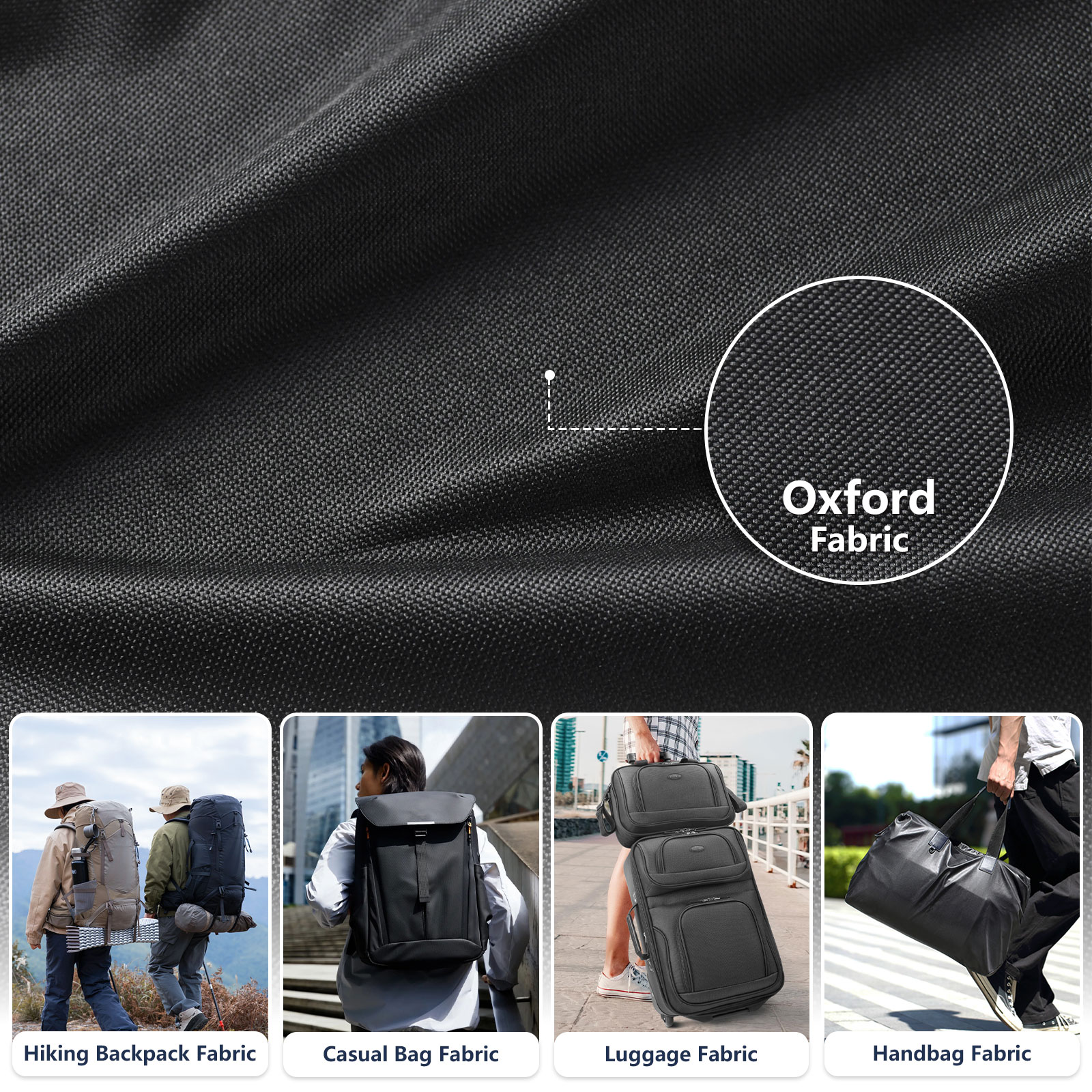
Oxford fabric does not refer to a single material, but rather a representative basket-patterned weaving structure. It forms a fabric structure that is more supportive and durable by interweaving multiple strands of yarn. It can be understood as a force-bearing system composed of multiple strands of yarn. Compared with ordinary single-structured fabrics, it is usually more conducive to enhancing strength and durability.
Oxford fabric was originally mostly based on cotton fibers, but nowadays, in the field of luggage, it is more commonly produced with polyester or nylon fibers. This type of material is usually more suitable for the demands of modern luggage products in terms of durability, water resistance and overall usage performance. As a result, Oxford fabric has gradually become one of the common fabrics in bag and luggage manufacturing.
Another feature of Oxford fabric is that it has a relatively strong adjustment space. By adjusting the yarn thickness, weaving density and coating process, manufacturers can develop various specifications of fabrics according to different product requirements, ranging from lightweight shopping bags to high-load-bearing travel equipment, all of which can find corresponding matching solutions.
Why Oxford Fabric Is Widely Used in Bags
Why do many bag and luggage manufacturers choose Oxford fabric? One important reason is that it usually achieves a relatively balanced performance among strength, flexibility and cost control.
Compared with some materials that only stand out in a single performance, Oxford fabric has better applicability in multiple dimensions. It not only meets the requirements of wear resistance and tensile strength in daily use, but also has a certain degree of flexibility, making it easier for the finished product to provide a more comfortable user experience. Meanwhile, its cost performance in mass production is also quite competitive, and thus it is widely used in products such as backpacks, travel bags and luggage cases.
Market Trends and Demand for Oxford Fabric Bags
Growth of the Global Bag Industry
The global bag industry has developed rapidly in recent years, mainly driven by factors such as the growth of travel demand, the development of e-commerce, and changes in lifestyle. Data shows that in recent years, the number of buyers for some subcategories (such as rolling storage bags) has increased by more than 160% year-on-year.[1]
This change reflects a broader trend: consumers expect bag products to not only meet the basic storage function, but also take into account durability, functionality and multi-scenario applicability. Whether it is for travel, commuting or outdoor activities, the market's requirements for luggage products are gradually increasing.
Why Oxford Fabric Dominates the Market
In the current bag market, Oxford fabric has become a widely used type of fabric. Among them, polyester-based Oxford fabric usually has a good balance between cost and comprehensive performance, and thus occupies a relatively high proportion in a large number of bag products.
Key Features of Oxford Fabric for Bags
Durability and Strength
Durability is an important advantage of Oxford fabric in bag and luggage applications. Due to its relatively tight weaving structure and the certain strength of the fibers themselves, Oxford fabric usually performs well in terms of tear resistance and wear resistance.
For instance, Oxford fabrics with higher denier specifications, such as 600D to 1200D, are often used in luggage products with higher load-bearing requirements or higher usage frequency. Even under conditions of repeated dragging, full loading or frequent friction, this type of fabric usually maintains a relatively stable structural performance.
Water Resistance and Coatings
Waterproof performance is also one of the more closely watched indicators for luggage fabrics. Many Oxford fabrics used for bags and luggage are treated with coatings such as PU and PVC to form a certain protective layer on the fabric surface, thereby reducing water penetration.
Depending on the coating process, the fabric can adapt to usage requirements ranging from daily light rain protection to more complex outdoor environments. Therefore, this type of fabric is often used in products such as travel bags, sports bags and outdoor backpacks.
Lightweight Performance
One of the more practical points is that Oxford fabric, while having a certain degree of durability, usually has a relatively controllable overall weight. This balance between "strength and weight" helps manufacturers develop bag and luggage products that are both sturdy and portable, which is of significant help in enhancing the comfort of users.
Types of Oxford Fabric Used in Bags
Polyester Oxford Fabric
Polyester Oxford fabric is a relatively common choice in the field of luggage. It usually has good durability, certain weather resistance and a relatively competitive cost performance, and thus is more suitable for mass and batch products.
Nylon Oxford Fabric
Nylon Oxford fabric usually performs better in terms of strength and flexibility, but it is also relatively more expensive. Therefore, it is more often used in luggage products that have higher requirements for performance, lightweight or user experience.
Understanding Denier in Bag Applications
Low Denier Fabrics
Low denier specifications, such as 150D - 300D, are usually lighter, softer and more suitable for lightweight and foldable luggage products. This type of specification is more common in applications where weight requirements are more sensitive.
Medium Denier Fabrics
The 420D - 600D range is generally regarded as the more common mainstream specifications in the luggage industry. They often strike a good balance between weight and durability, and thus are widely used in products such as schoolbags, backpacks, and daily travel bags.
High Denier Fabrics
Oxford fabric of 900D and above specifications is more suitable for products with higher load-bearing requirements or those that need greater durability. They are usually stronger, but at the same time, the weight of the fabric will also increase accordingly.
Coating Options for Bag Fabrics
PU Coating
PU coating can enhance the waterproof performance while maintaining the flexibility of the fabric as much as possible, and thus is widely used in daily luggage.
PA Coating
PA coating is relatively light and is also more suitable for application scenarios that have certain requirements for cost and basic functions
PVC Coating
PVC coating is usually more outstanding in terms of protection and durability, but the overall weight is also greater. Therefore, it is more suitable for heavy-duty luggage or products with higher protection requirements.
Common Applications of Oxford Fabric Bags
Backpacks and School Bags
Oxford fabric is widely used in backpacks and schoolbags, which is mainly related to its good durability and resistance to frequent wear and tear.
Travel Bags and Luggage
Travel products often have to deal with heavy loads and frequent handling, so the fabric needs to have good strength and wear resistance. Oxford fabric is quite common in such applications.
Outdoor and Sports Bags
From hiking bags to fitness bags, Oxford fabric can usually provide relatively stable performance support for products, and thus is often used in outdoor and sports bags.
Common Problems in Bag Fabrics
Wear and Tear Issues
If the fabric quality is insufficient, it is prone to accelerated wear in the high-frequency friction area. Therefore, when selecting materials, it is necessary to pay close attention to the wear and tear resistance of the fabric.
Waterproof Limitations
Not all Oxford fabrics have the same water resistance. Whether the fabric has good waterproof performance is usually closely related to the specifications of the base fabric, the coating process and the processing quality.
How to Choose the Right Oxford Fabric for Bags
Based on Application
Different types of bags have different requirements for fabrics. For instance, schoolbags and travel bags usually have significant differences in terms of strength, weight and wear resistance requirements. Therefore, when choosing materials, it is necessary to make a judgment based on specific uses.
Based on Performance Requirements
During the material selection process, it is usually necessary to comprehensively consider multiple factors such as durability, water resistance, weight, hand feel and cost, so as to find a fabric solution that is more suitable for the target product.
Why Choose HongdaTEX for Oxford Fabric
Manufacturing Strength
HongdaTEX has the capacity for large-scale production and a relatively stable quality control system, which can support different demands from small-batch development to large-batch order delivery.
Product Performance
HongdaTEX Oxford fabric is developed for practical usage scenarios and can combine durability, water resistance and customization requirements to provide corresponding fabric support for different types of luggage products.
Future Trends in Oxford Fabric for Bags
Sustainable Materials
As the market's focus on environmental protection and responsible procurement increases, recycled polyester Oxford fabric is receiving more attention and gradually becoming one of the important directions in the development of luggage materials.
Functional Innovations
New coating technologies and post-treatment processes are further enhancing the performance of Oxford fabric in terms of water resistance, wear resistance and comprehensive functionality, and also continuously expanding its application range.
Conclusion
Oxford fabric has become a relatively important type of fabric in modern luggage manufacturing. It usually strikes a good balance among durability, flexibility and adaptability, and thus can meet the development needs of various luggage products.
Whether it's a backpack, a travel bag or an outdoor equipment bag, the right fabric choice will directly affect the final performance of the product. As the specification system and customization capabilities continue to be enriched, Oxford fabric will also continue to meet the ever-changing demands of manufacturers and the end market.
Contact HongdaTEX and explore our wide range of polyester Oxford fabric for bags.