How to Choose Oxford Fabric Supplier
Impact on Product Quality
Let’s get straight to it—choosing an Oxford fabric supplier is not just a procurement decision; it’s a strategic move that can make or break your product line. Think about it this way: your final product is only as good as the materials you use. If your fabric fades quickly, tears under pressure, or fails in wet conditions, your customers won’t blame the fabric supplier—they’ll blame you. That’s why selecting the right supplier is like choosing the foundation of a building. If it’s weak, everything else collapses sooner or later.
A reliable supplier ensures consistent fabric quality, meaning every batch you receive performs the same way. This consistency is critical for maintaining brand reputation, especially in industries like outdoor furniture, tents, and covers, where durability is non-negotiable. High-quality Oxford fabric should offer strong tear resistance, stable waterproof performance, and excellent UV resistance. If your supplier cannot guarantee these properties, you’re essentially taking a risk with every order you place.
Impact on Business Growth
Now let’s zoom out and look at the bigger picture—your business growth. A dependable supplier doesn’t just deliver fabric; they support your scalability. Imagine landing a big order from a client, only to find out your supplier can’t meet the volume or timeline. That’s not just inconvenient—it’s damaging to your credibility.
The right supplier helps you grow by providing stable production capacity, competitive pricing, and reliable lead times. They become a long-term partner rather than just a vendor. This is especially important in B2B markets, where relationships and reliability often matter more than price alone. In other words, choosing the right Oxford fabric supplier isn’t just about today—it’s about where your business will be in the next five years.
Understanding Oxford Fabric Before Sourcing
What Is Oxford Fabric
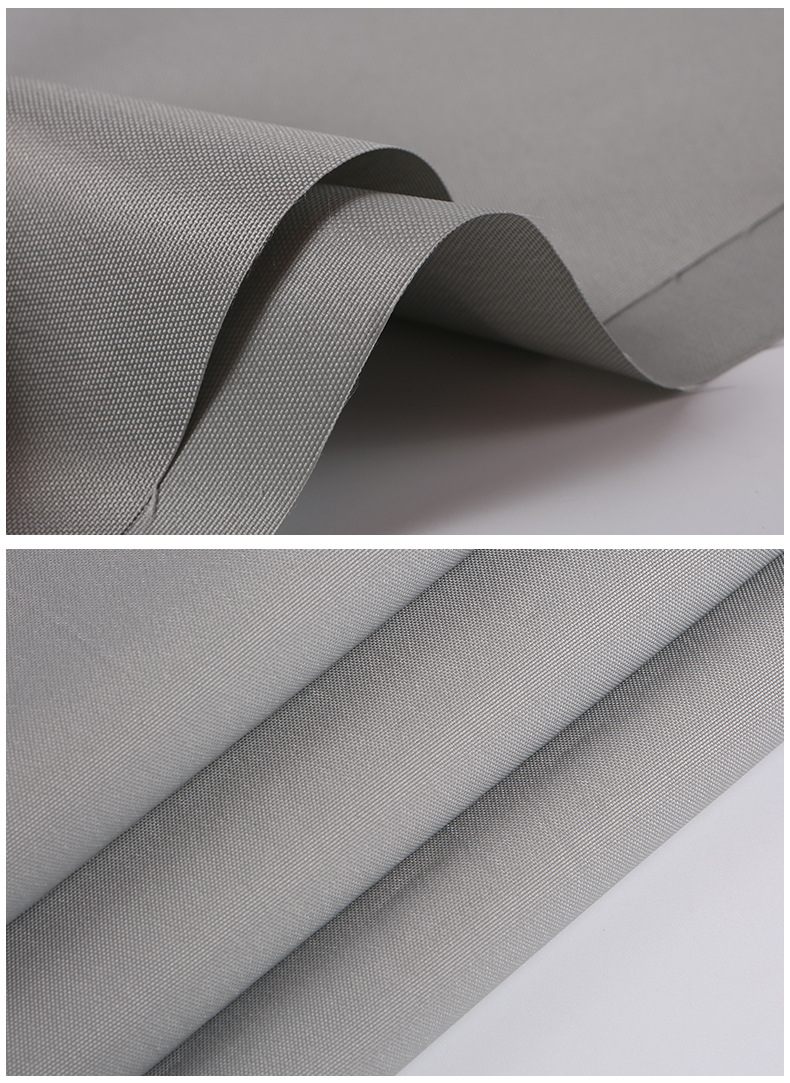
Before you even start comparing suppliers, you need to understand what you’re buying. Oxford fabric is a woven material known for its durability and versatility. It uses a basket-weave structure, which gives it higher strength than standard plain-weave fabrics. This structure makes it resistant to tearing and abrasion, which is why it’s widely used in outdoor products.
Most Oxford fabrics are made from polyester or nylon, with polyester being the preferred choice for outdoor applications. Why? Because it offers better resistance to UV rays and moisture. Manufacturers often enhance the fabric with coatings like PU (polyurethane) or PVC, adding waterproof and protective properties. So when you’re sourcing Oxford fabric, you’re not just choosing a textile—you’re choosing a performance material designed for specific conditions.
Common Types (420D, 600D, etc.)
You’ll often see terms like 420D, 600D, or even 1680D Oxford fabric. These numbers refer to the denier, which measures the thickness of the yarn. Higher denier means thicker, stronger fabric. For example, 420D is lighter and more flexible, while 600D offers greater durability and is better suited for heavy-duty applications.
Understanding these differences helps you communicate clearly with suppliers and ensures you get exactly what you need. It also prevents misunderstandings that could lead to costly mistakes.
Key Criteria for Selecting a Supplier
Production Capacity
One of the first things you should evaluate is the supplier’s production capacity. Can they handle large orders? Do they have the infrastructure to scale with your business? A supplier with limited capacity might work for small orders, but as your business grows, they could become a bottleneck.
Look for manufacturers with large-scale facilities and advanced machinery. This indicates they can produce consistently and meet deadlines, even for high-volume orders.
Quality Control System
Quality control is where many suppliers either shine or fail. A professional Oxford fabric manufacturer should have a strict quality management system in place. This includes testing for waterproof performance, tear strength, color fastness, and durability.
Without proper quality control, you risk receiving inconsistent products that can harm your reputation. Always ask about their testing procedures and equipment before making a decision.
Certifications and Compliance
Certifications are more than just badges—they’re proof that a supplier meets international standards. Look for certifications like:
- ISO 9001 (Quality Management)
- ISO 14001 (Environmental Management)
- Oeko-Tex Standard 100 (Eco-friendly textiles)
Third-party testing from organizations like SGS adds another layer of credibility. These certifications ensure that the fabric is safe, reliable, and compliant with global regulations.
Evaluating Fabric Performance
Waterproof Rating
Waterproof performance is critical for outdoor applications. It’s usually measured in millimeters (mm), indicating how much water pressure the fabric can withstand. For example, a 3,000 mm rating is suitable for moderate rain, while a 10,000mm rating can handle heavy downpours.
Make sure your supplier can provide fabrics with the required waterproof level for your application. This is especially important for covers, tents, and outdoor furniture.
Tear Strength and Durability
Durability is another key factor. High-quality Oxford fabrics should have a tear strength above 60N, ensuring they won’t easily rip under stress. This is crucial for products exposed to wind, friction, or heavy use.
Comparing Different Oxford Fabric Suppliers
Price vs Value
It’s tempting to choose the cheapest option, but price alone doesn’t tell the whole story. A lower price might mean lower quality, which could lead to higher costs in the long run due to returns or replacements.
Focus on value, not just price. A slightly more expensive supplier with better quality and reliability is often the smarter choice.
Lead Time and Flexibility
Lead time is another critical factor. Can the supplier deliver on time? Are they flexible with customization and order adjustments? These factors can significantly impact your operations.
HongdaTEX – A Trusted Oxford Fabric Supplier
Company Overview
HongdaTEX is a leading outdoor fabric manufacturer with over 30 years of experience. The company employs more than 700 staff and operates a 100,000+ square meter smart factory, with a daily production capacity of up to 1 million meters of fabric. This scale ensures reliable supply for both small and large orders.
The company serves over 20 global brands, including major retailers like Walmart, Carrefour, and Costco, demonstrating strong international competitiveness and trust.
Product Range and Advantages
HongdaTEX offers a wide range of polyester Oxford fabrics for different applications:
- Cover fabrics: Waterproof (1000–10,000mm), tear strength above 60N, excellent UV resistance
- Backpack fabrics: High abrasion resistance (50,000+ cycles), durable and lightweight
- Tent fabrics: Waterproof 5,000–10,000mm, strong tear resistance
- Umbrella fabrics: High color fastness, UV-resistant
- Sofa fabrics: Durable, water-repellent, and wear-resistant
All products are backed by strict quality control and certifications, including ISO 9001, ISO 14001, and Oeko-Tex Standard 100, with testing verified by SGS.
Looking for a reliable Oxford fabric supplier? Send your inquiry to HongdaTEX today and get samples, pricing, and customized solutions tailored to your needs.
Common Mistakes to Avoid
Many buyers make the mistake of focusing only on price or overlooking quality control. Others fail to verify certifications or underestimate the importance of production capacity. Avoid these pitfalls by taking a comprehensive approach to supplier evaluation.
Conclusion
Choosing the right Oxford fabric supplier is a critical decision that impacts your product quality, customer satisfaction, and business growth. By understanding fabric specifications, evaluating supplier capabilities, and prioritizing reliability over price, you can make a smart and strategic choice.
Partnering with a trusted manufacturer like HongdaTEX ensures consistent quality, strong performance, and long-term success. The right supplier isn’t just a vendor—they’re a key part of your business strategy.