How PVC Coating Enhances Waterproof Fabric
What Is PVC Coating in Textiles?
Definition and Basic Composition
Have you ever been curious about why some fabrics can sit in heavy rain for hours without leaking while others soak through in minutes? It’s the coating technology that helps the fabric enhance its water resistance, especially the PVC coating.
PVC, or polyvinyl chloride, is a type of plastic polymer. When applied to fabrics, it becomes a completely different material. Just imagine adding a layer of protective armor on a soft base. The base fabric—usually polyester—provides structure and strength, while the PVC coating acts as a shield against water, chemicals, and environmental damage.
What makes PVC special is its inherent hydrophobicity, meaning it naturally repels water. When bonded to fabric, it creates a surface that water simply cannot penetrate. This combination is why PVC-coated fabrics are widely used in demanding environments like outdoor covers, tents, and industrial applications.
How PVC Is Applied to Fabric
The coating process itself is both precise and powerful. Liquid PVC is spread evenly over the fabric surface and then heat-cured to form a strong, bonded layer. This isn’t just a surface treatment—it becomes part of the fabric structure.
Imagine pouring melted wax over a woven basket. Once it hardens, the basket is no longer porous. That’s essentially what happens with PVC coating. The tiny gaps between fibers—where water would normally seep through—are completely sealed.
Depending on the application, manufacturers can apply PVC on one side or both sides of the fabric. Thicker coatings result in stronger waterproof performance, while lighter coatings maintain better flexibility. This level of customization allows PVC-coated fabrics to meet a wide range of performance requirements.
The Science Behind Waterproofing
Why Raw Fabric Is Not Waterproof
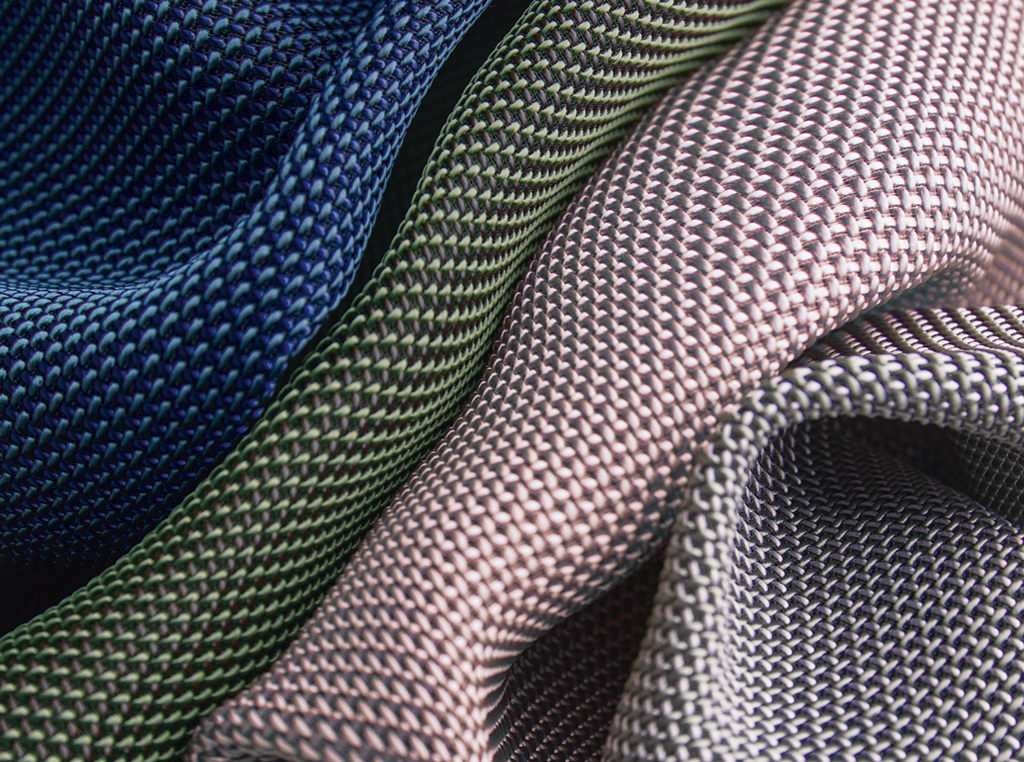
At first glance, fabric might seem solid. But under a microscope, it looks more like a net full of tiny holes. Even tightly woven fabrics still have microscopic gaps between fibers, and that’s exactly where water sneaks in.
This is why untreated fabrics—even those made from strong materials like polyester—are only water-resistant at best, not waterproof. Under pressure, such as heavy rain or sitting water, moisture will eventually pass through.
How Coatings Create a Barrier
To achieve true waterproofing, you need to eliminate those gaps. That’s where coatings like PVC come into play. Instead of relying on the weave alone, the coating creates a continuous, sealed surface that blocks water entirely.
PVC coating forms a dense, non-porous layer that prevents water molecules from passing through, even under prolonged exposure. In simple terms, it turns breathable mesh fabric into a solid barrier.
This is also why PVC-coated fabrics often have near-zero moisture vapor transmission—they don’t just resist water; they completely stop it.
How PVC Coating Creates Waterproof Performance
Formation of an Impermeable Layer
The key to PVC’s waterproof performance lies in its ability to create an impermeable film over the fabric. Once applied and cured, the coating forms a smooth, continuous surface that prevents water from penetrating.
Unlike water-resistant coatings that may wear off or degrade over time, PVC provides long-term, stable protection. This is why it’s commonly used in applications where failure is not an option, such as water tanks, heavy-duty tarps, and marine covers.
In fact, PVC-coated fabrics can achieve water column ratings exceeding 1,500 mm to 3,000 mm or more, making them suitable for sustained heavy rain conditions.
Water Resistance vs Waterproof Explained
Let’s clear up a common confusion: water-resistant is not the same as waterproof.
- Water-resistant fabrics can repel light rain but eventually allow water through.
- Waterproof fabrics, like PVC-coated materials, block water completely—even under pressure.
PVC stands out because it delivers 100% waterproof performance, meaning no water penetration at all under normal conditions.
Key Advantages of PVC Coated Fabric
100% Waterproof Capability
This is the headline feature—and for good reason. PVC coating creates a complete barrier against moisture, ensuring that water cannot penetrate the fabric. Whether it’s rain, splashes, or standing water, the surface remains sealed.
This makes PVC-coated fabrics ideal for applications like outdoor furniture covers, truck tarps, and tents, where moisture protection is critical.
High Durability and Strength
PVC doesn’t just stop water—it also reinforces the fabric. The coating adds an extra layer of protection that improves resistance to tearing, punctures, and abrasion.
Combined with a strong polyester base, PVC-coated fabrics deliver exceptional mechanical performance. They can withstand heavy use, rough handling, and harsh environments without degrading quickly.
Weather and UV Resistance
Outdoor environments are unpredictable. Sun, rain, wind, and temperature changes all take a toll on materials. PVC-coated fabrics are designed to handle it all.
They offer excellent resistance to UV radiation, preventing fading and material breakdown over time. This ensures long-lasting performance, even in extreme climates.
Chemical and Abrasion Resistance
Another advantage that often goes unnoticed is chemical resistance. PVC-coated fabrics can resist oils, acids, and other chemicals, making them suitable for industrial applications.
On top of that, their abrasion resistance means they can handle friction and wear without losing integrity. This combination makes them a go-to choice for heavy-duty uses.
Comparison: PVC vs PU vs Other Coatings
Performance Differences
| Feature | PVC Coating | PU Coating | Uncoated Fabric |
|---|---|---|---|
| Waterproof Level | 100% Waterproof | Water-resistant to waterproof | Not waterproof |
| Durability | Very High | Medium | Low |
| UV Resistance | Excellent | Good | Poor |
| Flexibility | Moderate | High | High |
| Weight | Heavy | Light | Light |
PVC coatings offer superior waterproofing and durability, while PU coatings provide better flexibility and lighter weight. The choice depends on the intended application.
Best Use Scenarios
PVC-coated fabrics are best suited for:
- Heavy-duty outdoor covers
- Industrial tarpaulins
- Marine and transportation uses
- Long-term exposure environments
PU-coated fabrics, on the other hand, are more suitable for lightweight applications like backpacks and clothing.
Applications of PVC Coated Waterproof Fabrics
Outdoor Covers and Tarpaulins
PVC-coated fabrics are widely used for protective covers because they can withstand prolonged exposure to rain and sunlight. They keep equipment, furniture, and goods dry and protected.
Tents, Awnings, and Shelters
In outdoor structures, waterproofing is non-negotiable. PVC coatings ensure that tents and awnings remain leak-free, even during heavy rainfall.
Industrial and Marine Uses
From truck covers to boat tarps, PVC-coated fabrics are trusted in industries where durability and waterproofing are critical. Their resistance to chemicals and harsh conditions makes them indispensable.
Limitations of PVC Coating
Breathability Concerns
One downside of PVC coating is its lack of breathability. Because it forms a solid barrier, it also blocks air and moisture vapor. This can lead to condensation in certain applications.
Flexibility and Weight
PVC-coated fabrics tend to be heavier and less flexible than alternatives like PU. In cold temperatures, they may become stiff, which can affect usability.
How to Choose the Right PVC Coated Fabric
Thickness and GSM Considerations
Thicker coatings provide better durability and waterproofing but add weight. Choosing the right GSM (grams per square meter) depends on your application.
Coating Quality and Performance
Not all PVC coatings are created equal. High-quality coatings ensure better adhesion, longer lifespan, and consistent performance.
HongdaTEX PVC-Coated Oxford Fabric Advantages
When it comes to selecting a reliable waterproof fabric supplier, performance on paper is one thing—but real-world consistency is what truly matters. This is where HongdaTEX stands out as a trusted PVC-coated Oxford fabric manufacturer with over three decades of industry experience.
Engineered for High-Performance Waterproof Applications
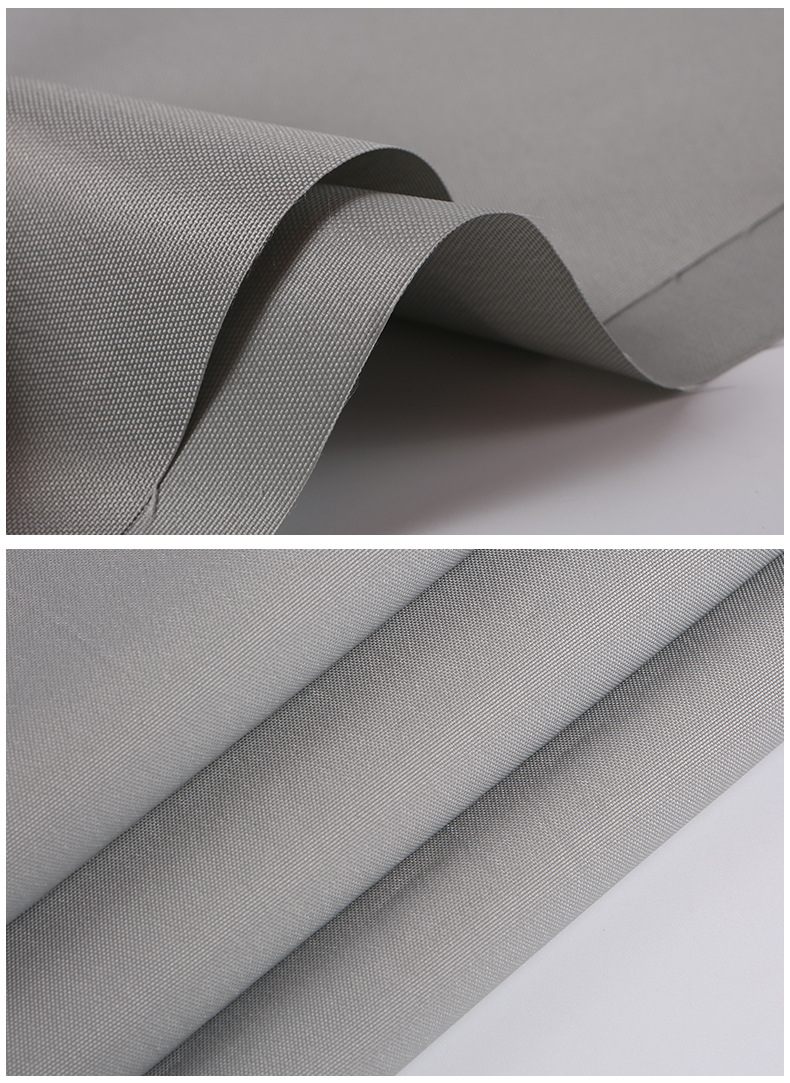
HongdaTEX specializes in producing PVC-coated polyester Oxford fabric designed specifically for demanding outdoor and industrial environments. By combining a high-strength woven base with advanced PVC coating technology, the company delivers fabrics that are not only waterproof but also built to endure long-term exposure to harsh conditions.
Key performance highlights include:
- 100% waterproof protection with water resistance levels suitable for heavy rain and prolonged outdoor use
- High tear strength (≥60N) to prevent ripping under stress and tension
- Excellent abrasion resistance, ideal for frequent handling and movement
- Strong UV resistance and color fastness (Grade 4+), ensuring long-lasting appearance under sunlight
- Customizable coating thickness and finishes to meet different application needs
Whether used for outdoor covers, tarpaulins, tents, or protective equipment, HongdaTEX fabrics are engineered to maintain durability and performance over time.
Strong Manufacturing Capacity and Reliable Supply
Beyond product performance, HongdaTEX offers the kind of manufacturing reliability that global buyers depend on. With a fully integrated production system, the company ensures stable quality and scalable output for both small and large orders.
- 30+ years of manufacturing experience
- 700+ skilled employees
- 100,000+ m² production facility
- Daily output up to 1 million meters
This capacity allows HongdaTEX to support OEM and ODM projects, providing customized solutions in terms of color, denier (420D–900D+), coating type, and fabric specifications.
Certified Quality You Can Trust
Quality control is not just a promise—it’s a system. HongdaTEX operates under internationally recognized standards to ensure every batch meets strict requirements:
- ISO 9001 – Quality management system
- ISO 14001 – Environmental management
- Oeko-Tex Standard 100 – Safer textile certification
- SGS testing – Third-party verification for performance and compliance
Serving over 20 global brands, HongdaTEX has built a reputation for consistency, reliability, and long-term partnership value in the international market.
Why Choose HongdaTEX for PVC-Coated Fabric?
If you’re sourcing waterproof fabric, you’re not just buying material—you’re investing in product performance, durability, and brand reputation. HongdaTEX offers:
- Stable quality across bulk production
- Competitive pricing with factory-direct supply
- Fast sampling and customization support
- Proven experience in global export markets
Conclusion
PVC coating transforms ordinary fabric into a high-performance waterproof material capable of withstanding some of the toughest environments. Creating a continuous, impermeable barrier eliminates water penetration while enhancing durability, UV resistance, and overall lifespan.
Whether you’re dealing with outdoor furniture covers, industrial tarps, or marine applications, PVC-coated fabric offers a level of protection that few other materials can match. It’s not just about keeping things dry—it’s about ensuring long-term reliability in real-world conditions.
Looking for a reliable PVC-coated Oxford fabric supplier? HongdaTEX is ready to support your project with high-performance solutions tailored to your application. Contact us now.