Heavy-duty Oxford Fabric Guide
Understanding Heavy-Duty Oxford Fabric
What Is Oxford Fabric?
If you have ever used a sturdy backpack, a durable outdoor cover, or a relatively stable tent in bad weather, then you are likely to have come into contact with Oxford fabric.
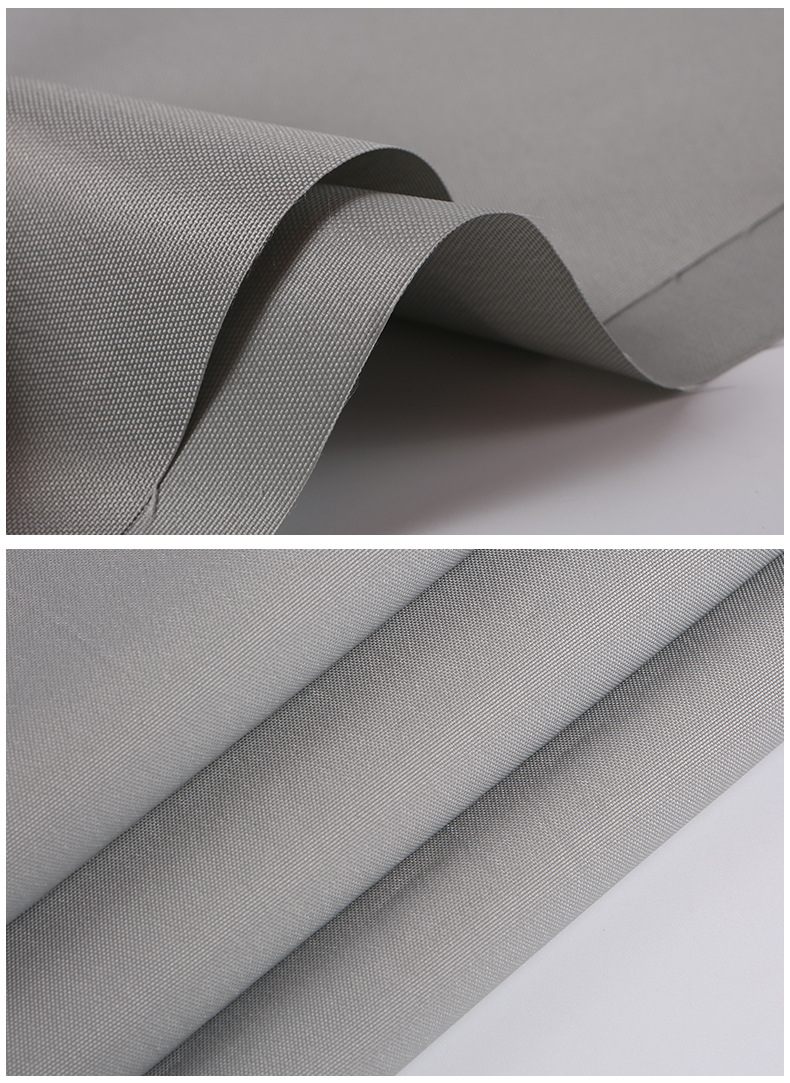
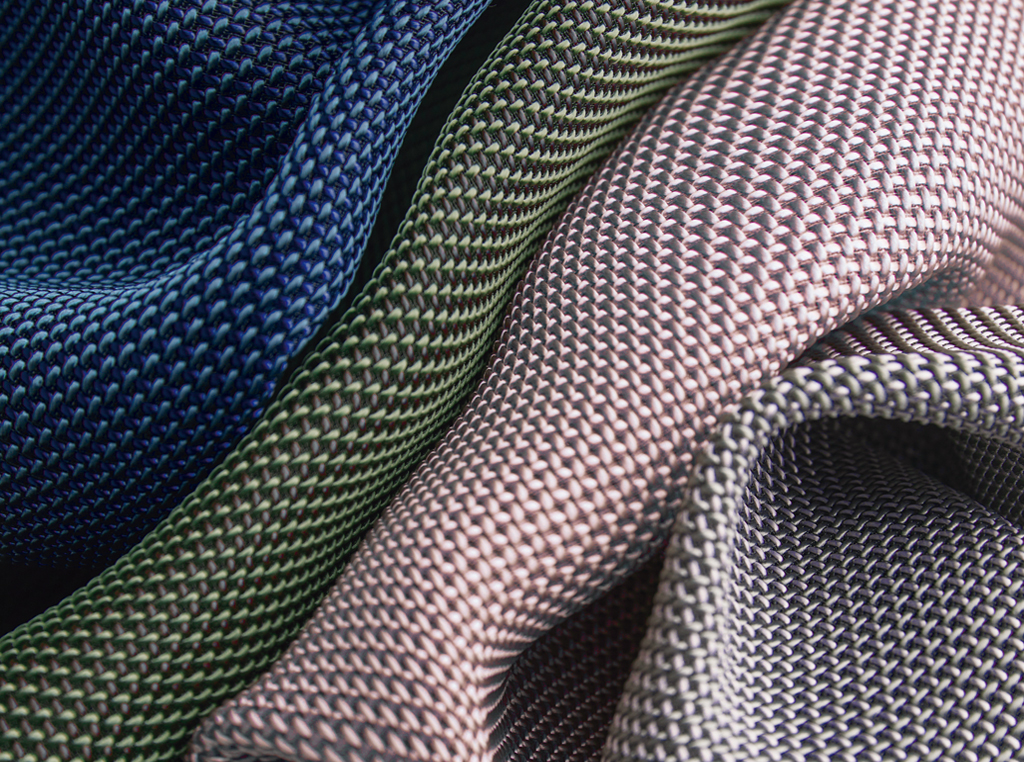
The core feature of Oxford fabric lies in its basket-patterned weaving structure. The multi-strand yarns are interwoven in a grid-like pattern, making the fabric as a whole thicker, more structured, and more suitable for withstanding more complex usage environments.
It can be simply understood as: ordinary fabrics seem to be interwoven with a single thread, while Oxford fabric is more like being woven with multiple strands of rope. Such a structure helps to distribute force, reduce the risk of tearing, and keep the fabric in a relatively stable shape when it is under pressure or pulled. Therefore, it is often used in application scenarios with high performance requirements.
What Makes It “Heavy Duty”?
Not all Oxford fabric is a heavy-duty fabric. "Heavy-duty" usually represents higher denier yarns, a tighter weave structure, and additional coating treatments.
It can be understood as the difference between a lightweight raincoat and an industrial tarpaulin. Both have protective effects, but the latter is obviously more suitable for complex and high-intensity environments. Heavy-duty Oxford fabric is typically used in products that have high requirements for strength, weather resistance and long-term durability.
Evolution of Oxford Fabric Materials
From Cotton to Synthetic Fibers
In the early days, Oxford fabric was mainly made of cotton and was widely used in the field of clothing. Although the fabric is comfortable, it has certain limitations in outdoor environments, such as being prone to absorbing water, having a decline in performance after long-term exposure to sunlight, and being difficult to meet the demands of high-frequency use.
As application scenarios change, manufacturers are gradually turning to synthetic fibers such as polyester and nylon. This change significantly enhances the functional space of Oxford fabric, enabling it to better adapt to requirements such as water resistance, UV resistance, and repeated use.
Why Polyester and Nylon Dominate
Nowadays, polyester Oxford fabric is widely used in various types of products due to its relatively balanced cost and performance. Nylon Oxford fabric usually has a higher strength-to-weight ratio and is suitable for special applications that have higher requirements for lightweight and strength.
These two types of materials enable manufacturers to develop fabrics based on different needs. Whether it is lightweight and flexible or heavy-duty protective, adjustments can be made through materials, denier and coating schemes.
Key Features of Heavy-Duty Oxford Fabric
High Tensile Strength
One important feature of heavy-duty Oxford fabric is its relatively high tensile strength. It can withstand a considerable tensile force and is not prone to tearing. Whether the tent is pulled by the wind or the cover fabric is under pressure from external objects, this kind of fabric can usually maintain a relatively stable state.
This strength comes from coarser yarns and weaving structures. When the two are combined, the external force can be dispersed over a larger area rather than concentrated on a single weak point.
Waterproof and Weather Resistance
The outdoor environment is often uncertain. Rain, moisture and temperature differences can all affect the performance of fabrics. Heavy-duty Oxford fabric is usually treated with coatings such as PU and PVC to form a moisture-proof and water-proof protective layer.
After being processed with appropriate techniques, this type of fabric can withstand moderate to heavy rain conditions, and thus is more suitable for outdoor covers, tents and industrial protective products.
Abrasion and Tear Resistance
Many products are not damaged by a single violent impact, but gradually wear out due to long-term friction and repeated use. Heavy-duty Oxford fabric is precisely designed for such usage scenarios. It usually has good wear resistance and tear resistance, and can maintain structural integrity over a long period of use.
Understanding Denier in Oxford Fabric
What Does Denier Mean?
Denier is a unit that measures the thickness of the yarn used in the fabric. The higher the Denier, abbreviated as D, is a unit for indicating the fineness of yarn. Generally speaking, the higher the D number, the coarser the yarn, and the fabric is usually thicker and stronger.
It can be simply understood as the difference between thin ropes and thick ropes. Both can be used, but they are suitable for completely different scenarios.
Comparing 600D, 900D, and 1200D
| Denier | Strength Level | Flexibility | Typical Use |
|---|---|---|---|
| 600D | Medium | High | Bags, light covers |
| 900D | High | Moderate | Outdoor furniture |
| 1200D | Very High | Lower | Industrial use, heavy-duty tents |
Generally speaking, the higher the denier, the stronger the durability, but the fabric weight will also increase and its flexibility may decrease.
Coating Technologies for Heavy Duty Fabric
PU Coating Explained
PU, or polyurethane coating, can enhance the water resistance of fabrics while maintaining as light a weight and good flexibility as possible. It is often used in products that require a balance between performance and feel.
PVC Coating Explained
PVC coating can form a thicker protective layer and is suitable for heavy-duty applications with high requirements for water resistance and durability. However, it usually also increases the weight of the fabric and makes the hand feel harder.
Advanced Functional Coatings
Modern coatings are no longer merely used for waterproofing; they can also be combined with various functional requirements, such as UV resistance, mold prevention, and enhanced durability. These functions help to extend the fabric's service life and overall performance in complex environments.
Applications of Heavy-Duty Oxford Fabric
Outdoor Furniture and Covers
Heavy-duty Oxford fabric is often used for outdoor furniture covers to reduce the impact of rain, dust and sunlight on furniture. Its durability helps the product maintain a relatively stable protective performance in long-term outdoor environments.
Disaster Relief Tents
Disaster relief tents are one of the more typical applications of heavy Oxford fabric. This type of product usually requires quick setup and stable operation in complex environments. Heavy-duty Oxford fabric can provide the required strength, water resistance and weather resistance, and thus is suitable for such high-demand scenarios.
Advantages of Heavy-Duty Oxford Fabric
Longevity and Cost Efficiency
The initial cost of heavy-duty Oxford fabric may be higher than that of ordinary-sized fabrics. However, due to its usually longer service life, the frequency of later replacement may decrease. Therefore, from a long-term usage perspective, it has a certain cost value.
Versatility Across Industries
From outdoor furniture to emergency tents, heavy-duty Oxford fabric can be adapted to a variety of application scenarios. By combining different deniers, coatings and post-treatments, it can meet the requirements of various products for strength, water resistance and durability.
Introducing HongdaTEX
Company Strengths
HongdaTEX focuses on the development of outdoor functional fabrics, including heavy-duty Oxford fabric products. With years of industry experience, the company is more in line with the actual usage needs in the application direction of fabrics.
Experience in Heavy Duty Fabric
Relying on a large-scale production system and a relatively complete manufacturing process, HongdaTEX can provide a relatively stable supply of fabrics for global customers. Its certification system and production management process also help ensure product consistency.
Conclusion
Heavy-duty Oxford fabric has obvious advantages in application scenarios that require high strength and stable performance. It achieves a combination of durability and functionality through structural design, material selection and process treatment.
Whether it is outdoor furniture, industrial protection or emergency applications, choosing the right specification of Oxford fabric and matching the appropriate supplier will have a direct impact on the actual performance and service life of the product.
If you are looking for reliable heavy-duty Oxford fabric manufacturer, contact HongdaTEX today to get tailored solutions and sample support.