Fabric Selection for Luggage Manufacturing
Understanding Luggage Fabric Requirements
Why Fabric Choice Matters in Luggage
When it comes to luggage manufacturing, fabric selection is not just a technical decision—it’s a defining factor that determines the product’s lifespan, performance, and customer satisfaction. Think about how luggage is used in real life. It gets tossed onto conveyor belts, dragged across rough surfaces, exposed to rain, and sometimes even overloaded beyond its intended capacity. Under these conditions, the wrong fabric can lead to premature wear, tearing, or water damage.
Choosing the right fabric is like choosing the right armor for a traveler’s belongings. A weak fabric will fail under pressure, while a high-performance material will protect contents and maintain its structure over time. Manufacturers must carefully balance durability, weight, cost, and aesthetics to create products that meet market expectations. In today’s competitive landscape, where consumers demand both style and functionality, the fabric you choose can make or break your product line.
Key Performance Expectations
Modern luggage fabrics are expected to deliver multiple performance benefits simultaneously. First and foremost is durability—the ability to withstand repeated stress without tearing or degrading. Closely related is abrasion resistance, which ensures the fabric can endure friction during travel. Another critical factor is water resistance, as luggage is often exposed to unpredictable weather conditions.
Additionally, fabrics must offer lightweight properties to avoid adding unnecessary weight to the luggage. Flexibility is also important, especially for soft luggage, as it allows the bag to expand and adapt to different packing needs. Finally, aesthetic appeal plays a role, as consumers are increasingly drawn to visually appealing products with vibrant colors and modern textures.
Common Fabrics Used in Luggage
Polyester Oxford Fabric
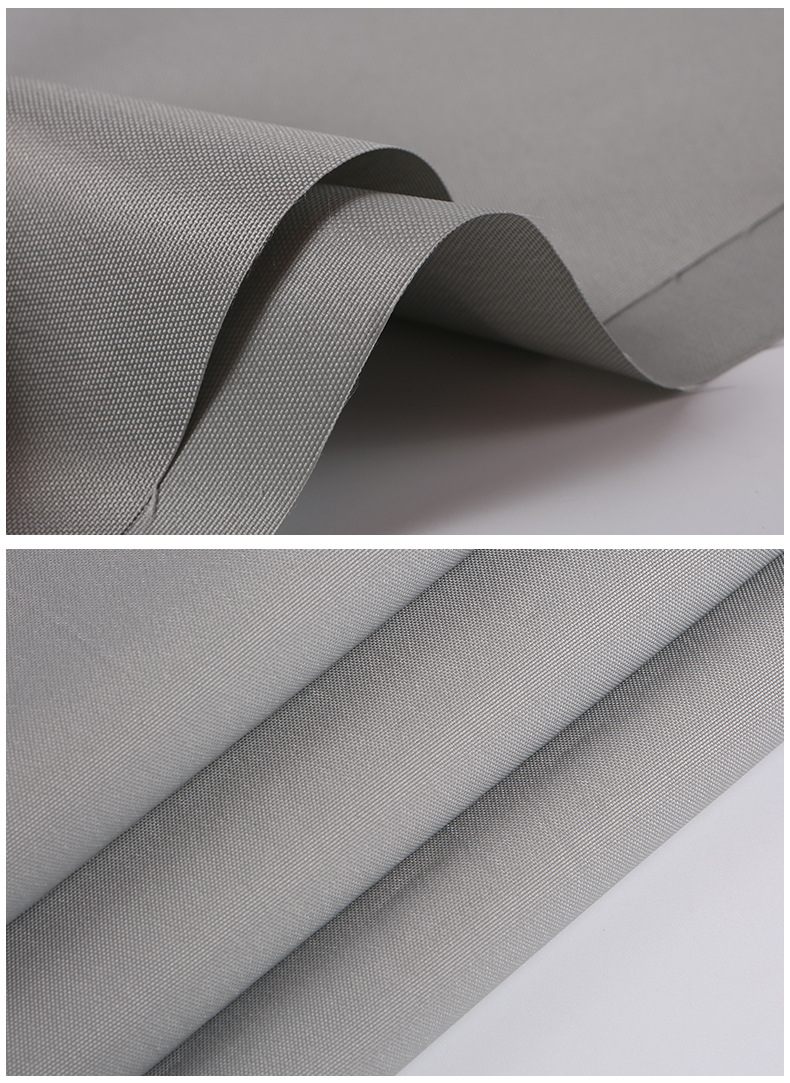
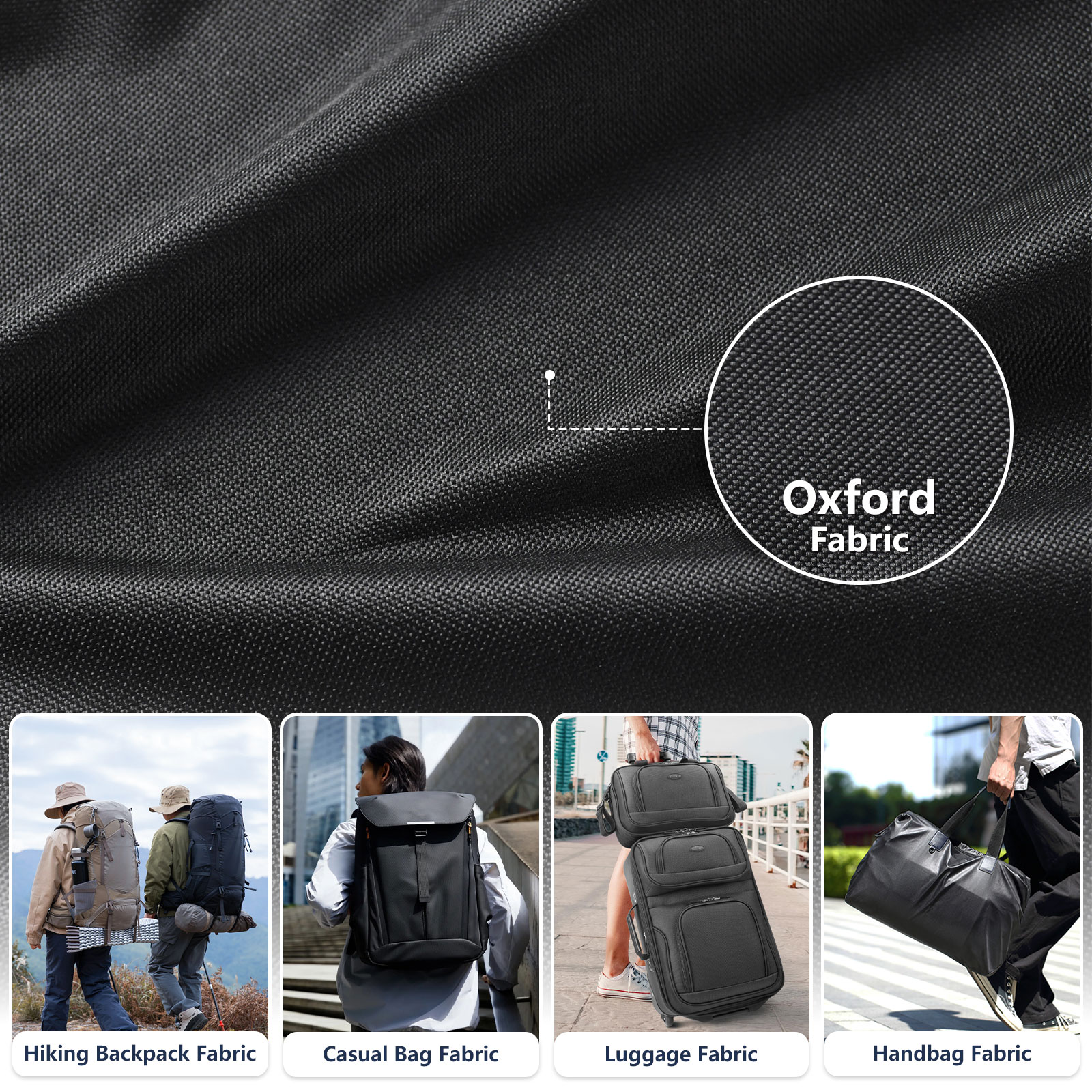
Among all materials, polyester Oxford fabric stands out as one of the most widely used in luggage manufacturing. Its popularity stems from its excellent balance of strength, cost, and versatility. The fabric’s basket weave structure enhances tear resistance, while its polyester composition provides natural resistance to moisture and UV exposure.
Manufacturers often apply PU or PVC coatings to improve waterproof performance, making it suitable for both soft luggage and protective covers. Polyester Oxford fabric is available in various denier levels, with 600D and 1680D being particularly common in luggage applications.
Nylon Fabric
Nylon is another popular choice, known for its exceptional strength and flexibility. Compared to polyester, nylon tends to be more lightweight and has higher tensile strength. This makes it ideal for premium luggage and high-performance travel gear.
However, nylon is generally more expensive and may require additional coatings to achieve the same level of water resistance as polyester. Despite this, its durability and sleek appearance make it a preferred option for high-end brands.
Canvas and Blended Materials
Canvas fabrics offer a more traditional and rugged look, often used in vintage-style luggage. While canvas is durable, it is typically heavier and less water-resistant than synthetic fabrics. Blended materials, which combine natural and synthetic fibers, aim to balance aesthetics and performance.
Key Factors in Fabric Selection
Durability and Tear Strength
Durability is the cornerstone of any luggage fabric. A high-quality material should have a tear strength exceeding 60N and be capable of withstanding repeated use. This ensures that the luggage remains intact even under heavy loads.
Water Resistance and Coatings
Water resistance is essential for protecting the contents of luggage. Fabrics with PU coatings can achieve waterproof ratings between 1000mm and 5000mm, making them suitable for most travel conditions.
Weight and Flexibility
Lightweight fabrics improve portability, while flexibility enhances usability. The ideal fabric strikes a balance between these two factors, ensuring comfort without compromising strength.
Denier Explained for Luggage Fabrics
420D vs 600D vs 1680D
| Denier | Characteristics | Best Use |
|---|---|---|
| 420D | Lightweight, flexible | Light travel bags |
| 600D | Balanced strength | General luggage |
| 1680D | Heavy-duty, highly durable | Premium luggage |
600D is often considered the most versatile option, offering a balance between durability and cost.
Coating Technologies in Luggage Fabrics
PU vs PVC Coatings
PU coatings provide flexibility and moderate waterproofing, while PVC coatings offer superior durability and resistance. The choice depends on the intended application and budget.
Additional Functional Finishes
Modern fabrics may include anti-mold, anti-UV, and anti-static treatments to enhance performance.
Application-Based Fabric Choices
Soft Luggage and Suitcases
Soft luggage requires fabrics that are both durable and flexible. Polyester Oxford fabric is a common choice due to its adaptability and strength.
Backpacks and Travel Bags
Backpacks demand high abrasion resistance and tear strength. Fabrics like 600D and 1680D Oxford are widely used.
Protective Covers and Accessories
Protective covers benefit from waterproof and UV-resistant fabrics, ensuring long-term protection.
HongdaTEX Luggage Fabric Solutions
Product Features
HongdaTEX offers a wide range of polyester Oxford fabrics tailored for luggage manufacturing, including:
- High abrasion resistance (up to 50,000+ cycles)
- Tear strength above 60N
- Waterproof performance up to 10,000mm
- Excellent UV resistance and color fastness
Manufacturing Strength and Advantages
With over 30 years of experience, HongdaTEX operates a 100,000+ m² facility with 700+ employees, producing up to 1 million meters of fabric daily. The company supplies over 20 global brands and holds certifications such as ISO 9001, ISO 14001, and Oeko-Tex Standard 100, with testing verified by SGS.
Conclusion
Selecting the right fabric for luggage manufacturing is a complex but essential process. From durability and water resistance to cost and aesthetics, every factor plays a role in determining the final product’s success. Polyester Oxford fabric continues to dominate the industry due to its versatility and reliability.
Looking for reliable luggage fabric solutions? Send your inquiry to HongdaTEX today for customized support and competitive pricing.