
{当前产品的产品关键词轮巡使用}
2026-05-07

Fabric for Backpacks: Why Oxford Fabric Wins

Understanding Fabrics for Backpacks Basics

Why Fabric Choice Matters

When consumers purchase backpacks, they usually pay attention to the appearance, design, storage space or brand first. But what truly determines whether a backpack is durable or not is often the fabric itself. The right fabric will affect whether a backpack is light or heavy, whether it can withstand years of daily use, or start to wear out and tear after a few months. To some extent, choosing the fabric for a backpack is like choosing tires for a car. No matter how powerful the engine is, if the tires cannot adapt to the road conditions, the overall user experience will also be affected.

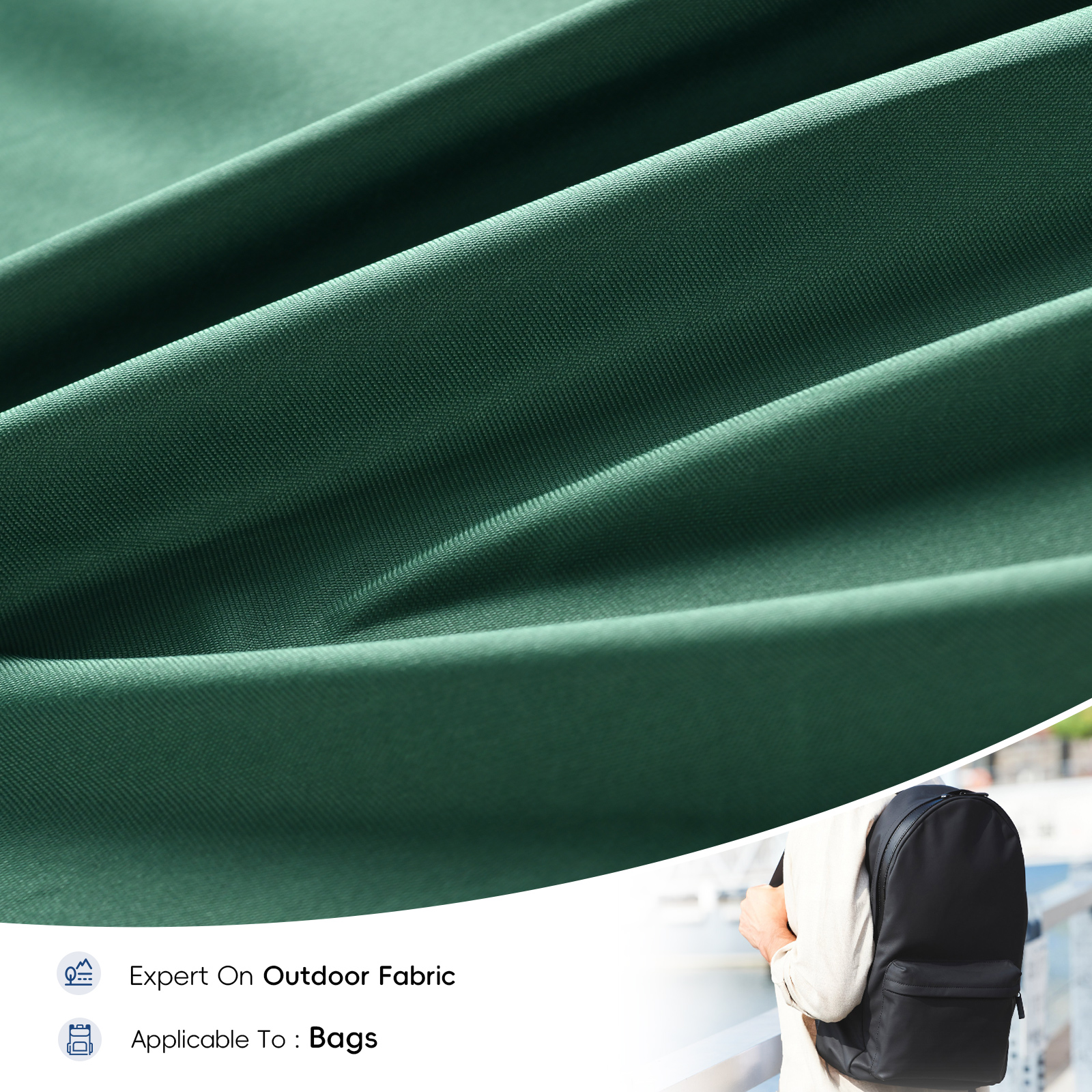
At present, manufacturers have a wide range of fabrics for backpacks to choose from, including canvas, nylon, polyester and Oxford fabric. Each fabric has its own advantages and limitations. However, with the development of the market, Oxford fabric has become one of the more widely used materials in the backpack industry. It strikes a good balance among durability, water resistance, flexibility and cost control, meeting the diverse needs of both manufacturers and end users.

Key Performance Requirements for Fabrics for Backpacks

The fabric for backpackshould not merely "look good". First of all, it must have sufficient strength to withstand repeated pulling and heavy loads. For instance, if a backpack contains a computer, books, a water bottle and outdoor equipment at the same time, the fabric needs to maintain structural stability under load-bearing conditions, and not be prone to tearing or excessive stretching.

Secondly, waterproof performance is also very important. Even in light rain, if the fabric is prone to absorbing water, it may affect the electronic products, documents or clothes inside the bag. Therefore, many fabrics for backpacks will adopt coating processes such as PU or PVC to enhance their protection against moisture.

Comfort also needs to be considered. The fabric is too hard, and the carrying experience may not be comfortable enough. If the fabric is too thin, it may lack support and durability.

Oxford fabric can simultaneously meet the core demands of many fabrics for backpacks, which is also an important reason why it is adopted by numerous backpack manufacturers.

What Is Oxford Fabric?

The Basket Weave Structure

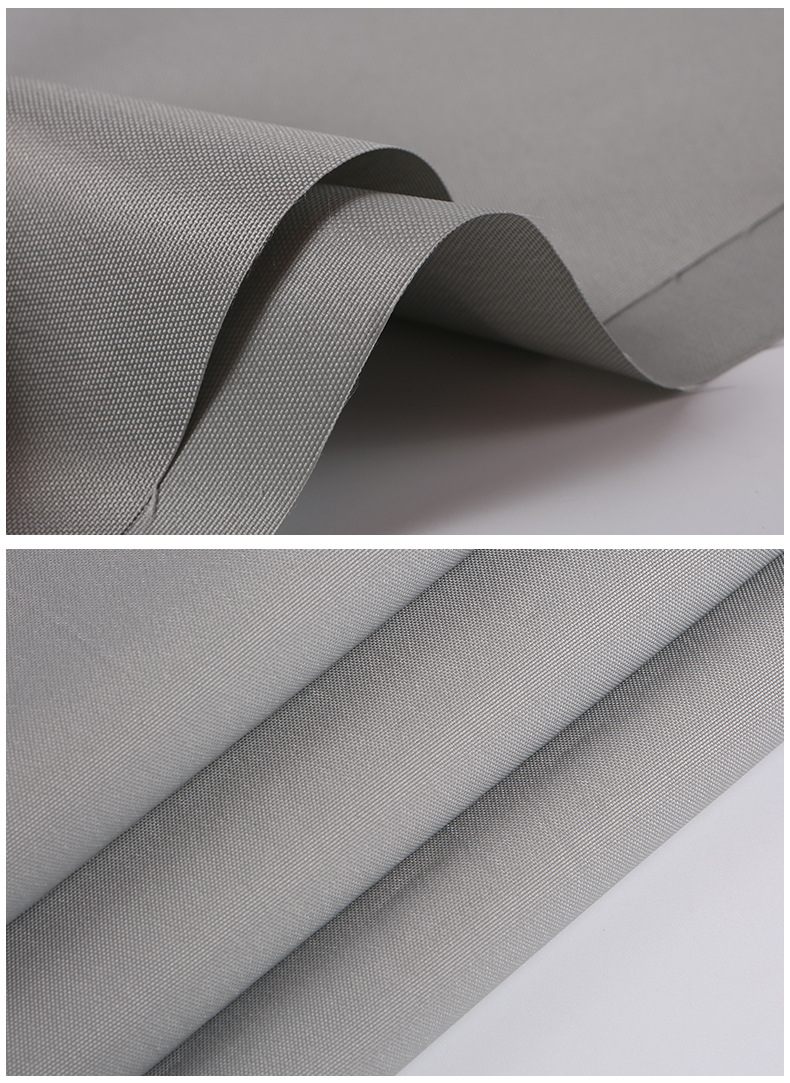
The typical feature of Oxford fabric is its basket-like weaving structure. Compared with the common single-warp and single-weft interweaving method, Oxford fabric is usually formed by interweaving multiple strands of yarn to create a grid-like surface with distinct textures. This weaving method can enhance the strength and structural stability of the fabric, disperse the force through the fabric structure, thereby reducing the risk of tearing and improving overall durability.

This structure also gives Oxford fabric a more recognizable appearance. The slightly textured surface not only looks more solid but also helps enhance the fabric's resistance to daily wear and tear.

Main Types of Fabric for Backpacks

Polyester Fabric

Polyester is one of the common materials in backpacks because it strikes a good balance between durability and cost. Polyester is not prone to shrinkage or excessive stretching, and it also has a certain moisture-proof ability.

However, the tear resistance of ordinary polyester fabric may not be sufficient for all backpack applications. Therefore, many manufacturers will combine polyester fibers with Oxford fabric weaving structures to enhance overall performance.

Oxford Fabric

Oxford fabric combines multiple advantages in one material. It can be lightweight, durable, waterproof and cost-controllable. It is precisely because of this comprehensive adaptability that Oxford fabric has been widely used in the backpack industry.

Why Oxford Fabric Is Popular for Backpacks

Durability and Strength

Backpacks will constantly bear pressure during use, especially at the seams, zippers and shoulder strap connections. The weaving structure of Oxford fabric helps to distribute pressure more evenly and reduces the possibility of local tearing.

Therefore, it is suitable for schoolbags, travel backpacks, and even tactical bags and tool kits. Whether the user is carrying books, tools or outdoor equipment, Oxford fabric can help the backpack maintain good structural stability.

Water Resistance Performance

Water resistance is also one of the reasons why Oxford fabric stands out. Oxford fabric used for backpacks is usually coated with PU or PVC to form a protective layer on the surface or back of the fabric, reducing water penetration.

This does not mean that the backpack is completely waterproof in all circumstances, but in daily light rain, damp environments and short periods of moisture contact, Oxford fabric usually provides good protective performance.

Lightweight Yet Practical

Excessive fabric will increase the backpack's load, especially when carried for long periods, which will affect comfort. The advantage of Oxford fabric is that it offers a reasonable level of durability without adding much weight to the backpack. This balance between strength and lightness is one of the significant advantages of Oxford fabric.

Coating Technologies Used in Fabric for Backpacks

PU Coating

PU coating can enhance the water resistance of the fabric while maintaining a relatively soft and lightweight hand feel. Therefore, it is more suitable for daily backpacks, school bags, casual bags and lightweight travel bags.

PVC Coating

PVC coating can offer stronger water resistance and durability, but it will also increase the fabric's weight and hardness. Therefore, it is more often used in heavy-duty backpacks, industrial tool kits or applications with high requirements for protective performance.

Introducing HongdaTEX

Manufacturing Strength

HongdaTEX specializes in the production of outdoor functional fabrics, with products including Oxford fabric for backpacks, tents, covers and outdoor furniture. With years of production experience, the company has established a relatively stable production system that can support the fabric demands of different markets and application scenarios.

The company has a production base of over 100,000 square meters, with more than 700 employees. Its daily production capacity can reach approximately 1 million meters of fabric, supporting bulk orders and long-term supply needs.

Experience in Outdoor Functional Fabrics

HongdaTEX offers a variety of Oxford fabric specifications, coating options and customization services. Through continuous process improvement and material development, the company is committed to providing highly adaptable fabric solutions for outdoor and industrial applications.

The company has also established a standardized management system and obtained certifications such as ISO 9001, ISO 14001 and OEKO-TEX Standard 100, providing support for customers in terms of quality management, environmental protection management and textile safety.

Conclusion

Oxford fabric has become a widely used material in backpack manufacturing because it combines durability, flexibility, water resistance, and cost-effectiveness. From schoolbags to tactical equipment packs, the adjustable structure and properties of Oxford fabric make it suitable for a variety of backpack applications.

Contact HongdaTEX to get relatively stable and practical Oxford fabric solutions for backpack products.