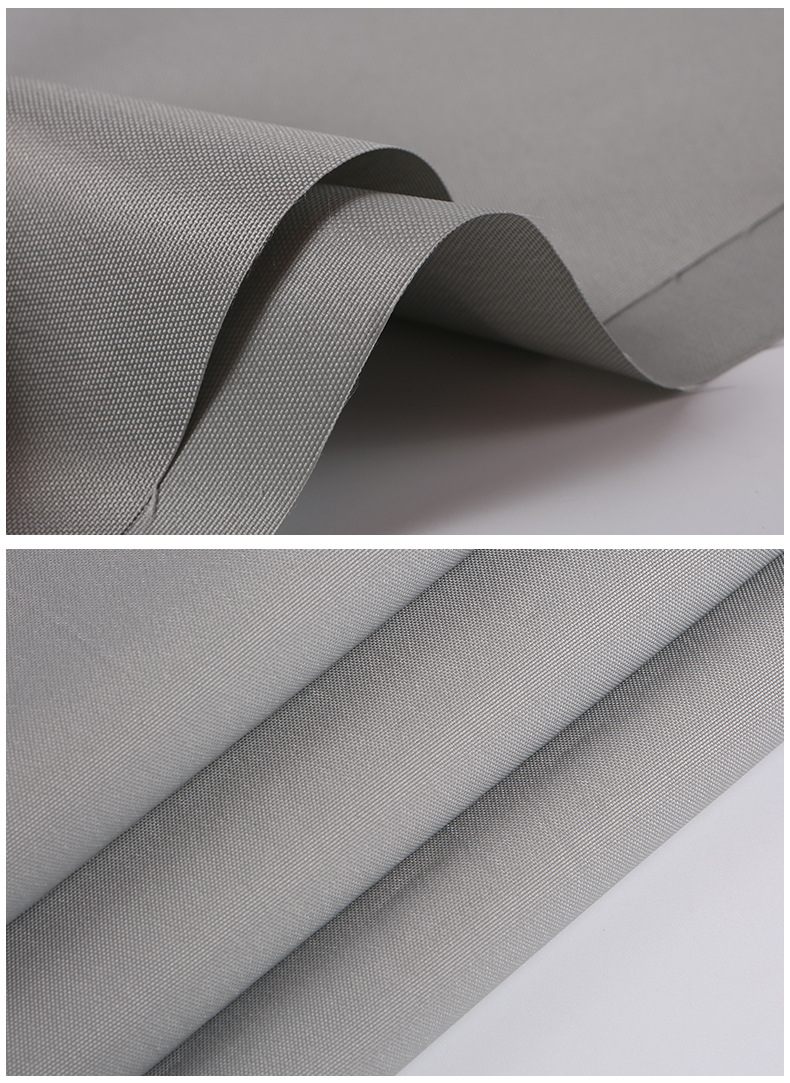
{当前产品的产品关键词轮巡使用}
2026-04-07

Fabric Coating Type for Different Applications

Understanding Fabric Coatings

What Are Fabric Coatings?

Let’s start with a simple question: why do two fabrics that look almost identical perform completely differently outdoors? One resists rain, sunlight, and wear for years, while the other fades, leaks, or tears within months. The answer almost always comes down to coating selection.

Fabric coatings are specialized chemical layers applied to textile surfaces to enhance their performance. Think of them as upgrading a basic fabric into a high-performance material. Without coatings, most fabrics—even strong ones like polyester Oxford—are just structural shells. They lack waterproofing, UV resistance, and durability needed for real-world applications.

When you apply coatings like PU, PA, or PVC, you’re essentially giving the fabric new abilities. It can repel water, resist abrasion, block UV rays, and withstand harsh environments. In many cases, the coating is what determines whether a product succeeds or fails in the market.

Why Coatings Matter in Performance Fabrics

Imagine building a house without a roof. That’s what using uncoated fabric is like in outdoor applications. It might look fine initially, but it won’t last. Coatings act as protective barriers that shield the fabric from external threats.

More importantly, coatings allow manufacturers to customize performance. You don’t need the same fabric for a lightweight backpack as you do for a heavy-duty truck cover. By choosing the right coating, you can tailor the fabric to match specific requirements—whether that’s flexibility, waterproofing, or extreme durability.

Main Types of Fabric Coatings

PU Coating (Polyurethane)

PU coating is one of the most widely used options, and for good reason. It offers an excellent balance between performance and flexibility. When applied to fabric, PU creates a thin, smooth layer that enhances water resistance while maintaining softness.

One of its biggest advantages is flexibility. PU-coated fabrics remain pliable even in cold temperatures, making them ideal for applications that require frequent folding or movement. This is why you often see PU coatings used in outdoor furniture covers, backpacks, and tents.

However, PU is not designed for extreme environments. While it provides good waterproofing, it doesn’t match the heavy-duty performance of PVC. Still, for most everyday outdoor uses, PU offers a reliable and cost-effective solution.

PA Coating (Polyacrylate)

PA coating is often considered the lightweight, economical option. It provides basic water resistance and a smoother surface, but does not offer the same durability as PU or PVC.

Think of PA as the entry-level upgrade. It improves the fabric’s feel and provides limited protection, making it suitable for light-duty applications. For example, it works well for promotional bags or indoor-outdoor products that don’t face harsh conditions.

The main advantage of PA is cost efficiency. If your product doesn’t require high waterproofing or durability, PA can help reduce production costs without sacrificing basic functionality.

PVC Coating (Polyvinyl Chloride)

PVC coating is the heavy hitter in the world of fabric coatings. If your application demands maximum waterproofing and durability, this is the go-to option.

PVC forms a thick, impermeable layer over the fabric, delivering 100% waterproof performance. It also significantly increases tear strength and resistance to abrasion, chemicals, and UV exposure.

Because of its strength, PVC is commonly used in industrial covers, truck covers, and marine applications. The trade-off? It’s heavier and less flexible than PU, which may not be suitable for lightweight products.

Key Factors When Choosing Coating Types

Waterproof Requirements

The first question you should ask is: how waterproof does your product need to be? Not all applications require full waterproofing.

  • Light rain protection → PA or light PU
  • Moderate outdoor exposure → PU
  • Heavy rain or long-term exposure → PVC

Understanding the difference between water-resistant and waterproof is crucial. If your product will be exposed to prolonged water, PVC is often the safest choice.

Durability and Strength Needs

Durability isn’t just about the fabric—it’s about the coating as well. Products that undergo frequent stress, friction, or handling need stronger coatings.

PVC offers the highest durability, followed by PU, while PA provides minimal reinforcement. For applications like luggage or outdoor covers, durability should be a top priority.

Flexibility and Weight

Not all products can handle heavy or stiff materials. If portability and flexibility are important, PU coating is usually the better option.

For example, folding chairs, backpacks, and lightweight tents benefit from PU because it allows the fabric to bend and move without cracking.

Environmental Conditions

Where will the product be used? This question often determines the best coating choice.

  • High UV exposure → PU or PVC with UV treatment
  • Humid environments → PU or PVC
  • Extreme outdoor conditions → PVC

Each coating responds differently to environmental stress, so matching the coating to the use environment is critical.

Matching Coatings to Applications

Outdoor Furniture Covers

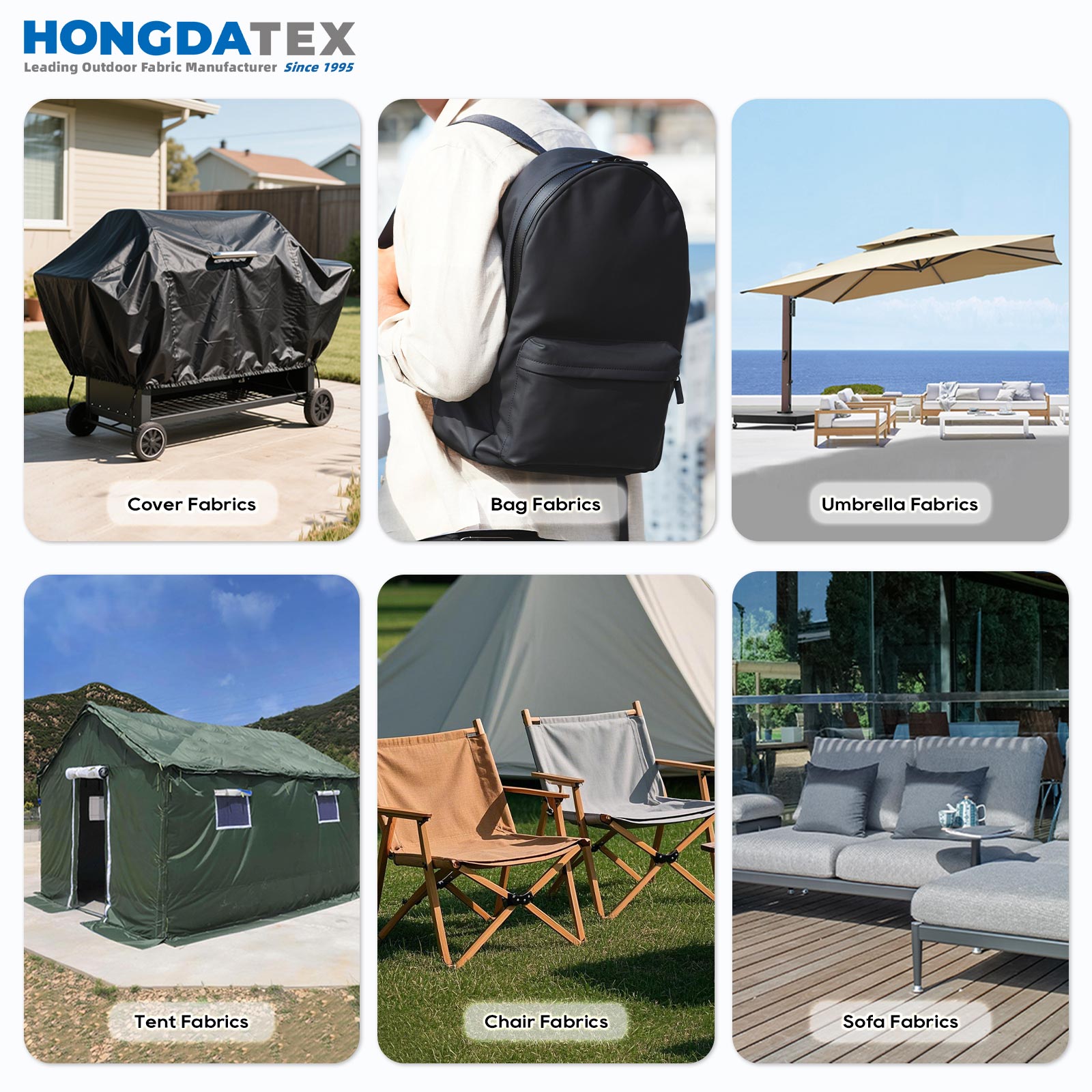
Outdoor covers need to handle rain, sun, and dirt. PU-coated Oxford fabric is typically the best choice for balancing waterproofing, flexibility, and cost.

For heavy-duty or long-term exposure, PVC-coated Oxford fabric offers superior protection.

Coated Oxford Fabric for Outdoor Furniture Covers-HongdaTEX

Tents and Awnings

Tents require both waterproofing and flexibility. PU coating is widely used because it provides good water resistance without making the Oxford fabric too stiff.

For large or commercial structures, PVC coating may be used for added durability.

Coated Oxford Fabric for Tents and Awnings-HongdaTEX

Backpacks and Luggage

Backpacks need lightweight durability. PU-coated fabrics are ideal because they offer abrasion resistance without adding excessive weight.

PA coating may be used for budget-friendly options.

Coated Oxford Fabric for Backpacks and Luggage-HongdaTEX

Umbrellas

Umbrellas require water repellency and UV resistance. Lightweight coatings like PA or PU are commonly used, depending on quality requirements.

Coated Oxford Fabric for Umbrellas-HongdaTEX

Performance Comparison Table

PU vs PA vs PVC Overview

Feature PU Coating PA Coating PVC Coating
Waterproof Level Medium–High Low–Medium Very High
Flexibility High High Medium
Weight Light Very High Heavy
Durability High Low Very High
Cost Medium Low Medium–High
Best Use General outdoor Light-duty Heavy-duty

Common Mistakes in Coating Selection

Over-Specifying Materials

Bigger isn’t always better. Choosing PVC for a lightweight product can increase cost and reduce usability. Always match performance to actual needs.

Ignoring End-Use Conditions

One of the biggest mistakes is selecting coatings based on appearance rather than performance. A fabric that works indoors may fail outdoors.

Always consider real-world conditions before making a decision.

HongdaTEX Coating Solutions

Customization Capabilities

Choosing the right coating is easier when you work with an experienced manufacturer. HongdaTEX specializes in PU, PA, and PVC-coated Oxford fabrics, offering customized solutions based on specific application needs.

From denier selection (420D to 900D+) to coating thickness and color customization, HongdaTEX helps brands develop Oxford fabrics tailored to their products.

Manufacturing Strength

With over 30 years of experience, HongdaTEX provides reliable large-scale production:

  • 700+ employees
  • 100,000+ m² factory
  • Daily output up to 1 million meters

Certified by ISO 9001, ISO 14001, and Oeko-Tex Standard 100, and tested by SGS, the company ensures consistent quality and performance.

Whether you need lightweight PU-coated fabric or heavy-duty PVC solutions, HongdaTEX offers stable supply and customization support.

Conclusion

Selecting the right coating type isn’t just a technical decision—it’s a strategic one. It directly impacts product performance, durability, cost, and user experience.

PU, PA, and PVC each serve a unique purpose. The key is understanding your application, environment, and performance requirements, then choosing the coating that aligns best.

When done right, the coating transforms fabric into a high-performance solution that meets real-world demands.

Send your inquiry today to get tailored Oxford fabric coating recommendations and samples.