Custom Coating Options for Oxford Fabric
Introduction to Oxford Fabric Coatings
Why Coatings Are Essential
Let’s be honest—raw Oxford fabric on its own is strong, but it’s not ready for the real world. Think about outdoor environments: rain pouring down, sunlight beating for hours, dust, friction, and temperature changes. Without proper coating, even high-density fabric will quickly lose performance. That’s where coatings step in like a protective shield.
A coating is not just an “extra layer.” It’s what turns a basic textile into a high-performance outdoor material. Whether you’re manufacturing outdoor covers, tents, or luggage, coatings directly determine the level of waterproofing, durability, and even product lifespan. In many cases, buyers don’t just choose fabric—they choose coating performance.
Base Structure of Oxford Fabric
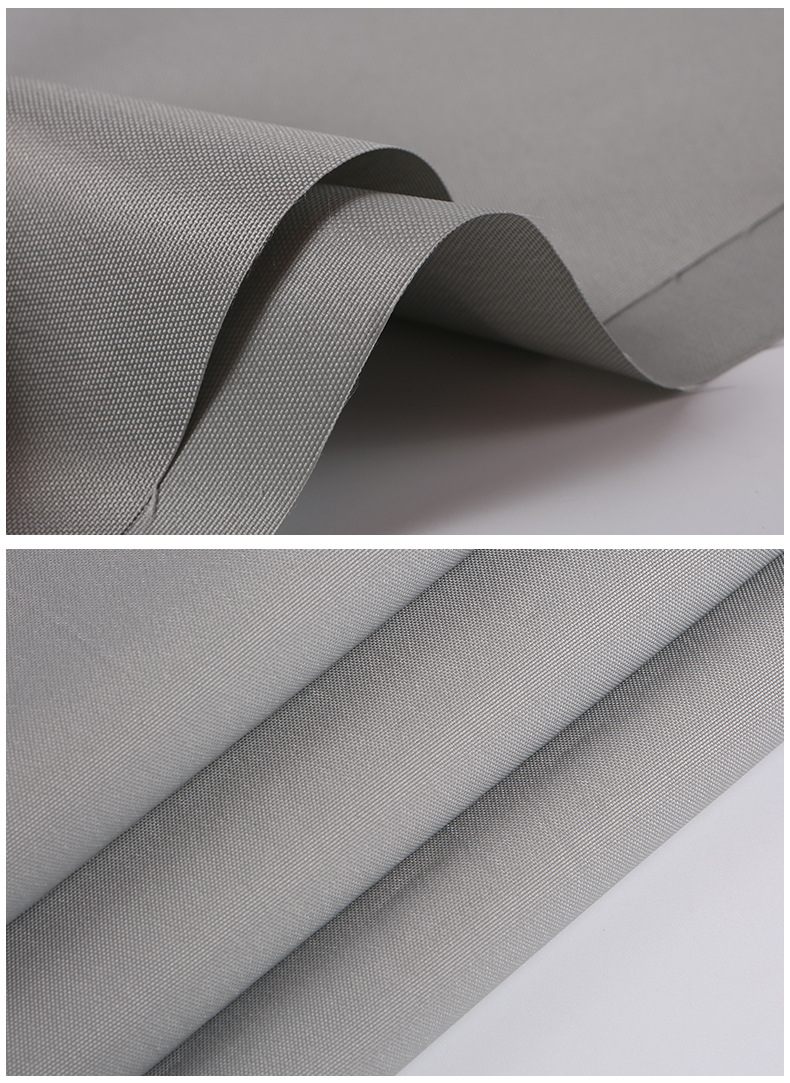
Oxford fabric is typically made from polyester yarns woven in a basket structure, giving it natural strength and tear resistance. However, this woven structure still contains microscopic gaps, allowing water to penetrate if untreated.
So imagine this: the fabric is like a sponge with strong fibers. Coating fills those gaps, seals the surface, and adds new properties. That’s why coating selection is not optional—it’s essential for any outdoor application.
Core Coating Types Used in Oxford Fabric
PU (Polyurethane) Coating
PU coating is one of the most widely used coatings in the industry—and for good reason. It provides excellent waterproof performance while maintaining softness and flexibility, which is critical for products that need folding or movement.
PU-coated Oxford fabric can reach waterproof ratings from 1000mm up to 5000mm or higher, depending on coating thickness. It also allows for a smoother finish and lighter weight compared to heavier coatings.
If you’re producing furniture covers, backpacks, or outdoor gear, PU is often the best balance between performance and cost.
PA Coating (Acrylic Coating)
PA coating, also known as acrylic coating, is often used when cost control and basic water resistance are priorities. Compared to PU, PA coating is lighter and more economical, but its waterproof performance is slightly lower.
However, don’t underestimate it. PA coating still offers good water repellency, improved fabric stiffness, and enhanced surface stability. It is commonly used in applications where full waterproofing is not required but durability still matters.
For example, lightweight covers, budget tents, and promotional bags often use PA-coated Oxford fabric.
PVC (Polyvinyl Chloride) Coating
If PU is flexible and PA is economical, then PVC coating is all about strength and toughness. This coating creates a thick, durable layer that delivers excellent resistance to water, abrasion, and harsh outdoor conditions.
PVC-coated Oxford fabric can easily achieve waterproof levels above 5000mm–10000mm, making it suitable for heavy-duty use. It’s commonly used in:
- Industrial covers
- Outdoor furniture protection
- Truck tarpaulins
- Equipment covers
The trade-off? It’s heavier and less flexible. But if your priority is maximum protection, PVC is the clear winner.
Functional Coating Enhancements
Waterproof Performance
Waterproofing is the most critical function of coated Oxford fabric. Depending on the coating type and thickness, fabrics can achieve waterproof ratings ranging from 1000mm to 10,000mm+.
To put it simply:
- 1000–2000mm → Light rain protection
- 3000–5000mm → Moderate outdoor use
- 5000mm+ → Heavy rain / extreme conditions
Choosing the right level depends on your product’s real-world usage.
UV Resistance
Sunlight is a silent killer for outdoor fabrics. Over time, UV rays break down fibers, causing fading and weakening. That’s why UV-resistant coatings are essential.
High-quality coated Oxford fabrics can achieve color fastness of Grade 4 or higher, ensuring long-lasting appearance and durability even under strong sunlight.
Anti-Mold and Anti-Bacterial Treatments
Outdoor environments often involve moisture and humidity, which can lead to mold growth. Advanced coatings can include anti-mold and anti-bacterial properties, preventing odor and fabric damage.
This is especially important for:
- Outdoor furniture covers
- Tents
- Umbrellas
Performance Comparison of Coatings
Flexibility vs Strength
| Coating | Flexibility | Waterproof Level | Weight | Best Use |
|---|---|---|---|---|
| PU | High | Medium–High | Light | Covers, bags |
| PA | Medium | Low–Medium | Very Light | Budget products |
| PVC | Low | Very High | Heavy | Industrial, heavy-duty |
Cost vs Performance
- PA coating → Lowest cost, basic performance
- PU coating → Best balance of cost and functionality
- PVC coating → Higher cost but maximum durability
So the question becomes: are you optimizing for price, flexibility, or protection?
Application-Based Coating Selection
Outdoor Covers
Outdoor covers need to handle rain, UV exposure, and long-term use. PU-coated or PVC-coated Oxford fabric is usually preferred.
PU works well for flexible covers, while PVC is better for heavy-duty protection.
Backpacks and Luggage
Backpacks require lightweight, flexible, and durable materials, making PU coating the most suitable option.
PA can also be used for cost-sensitive products, but durability will be lower.
Tents, Awnings, and Umbrellas
These applications demand strong waterproofing and UV resistance. Depending on usage:
- PU coating → Lightweight tents and umbrellas
- PVC coating → Heavy-duty awnings and shelters
HongdaTEX Coating Advantages
Product Performance Features
As a professional outdoor fabric manufacturer, HongdaTEX specializes in PU, PA, and PVC-coated Oxford fabrics, offering:
- Waterproof levels from 1000mm to 10,000mm
- Tear strength above 60N
- Excellent UV resistance (Grade 4+)
- Strong abrasion resistance for long-term use
These features make our fabrics ideal for covers, tents, furniture, luggage, and umbrellas.
Manufacturing Strength
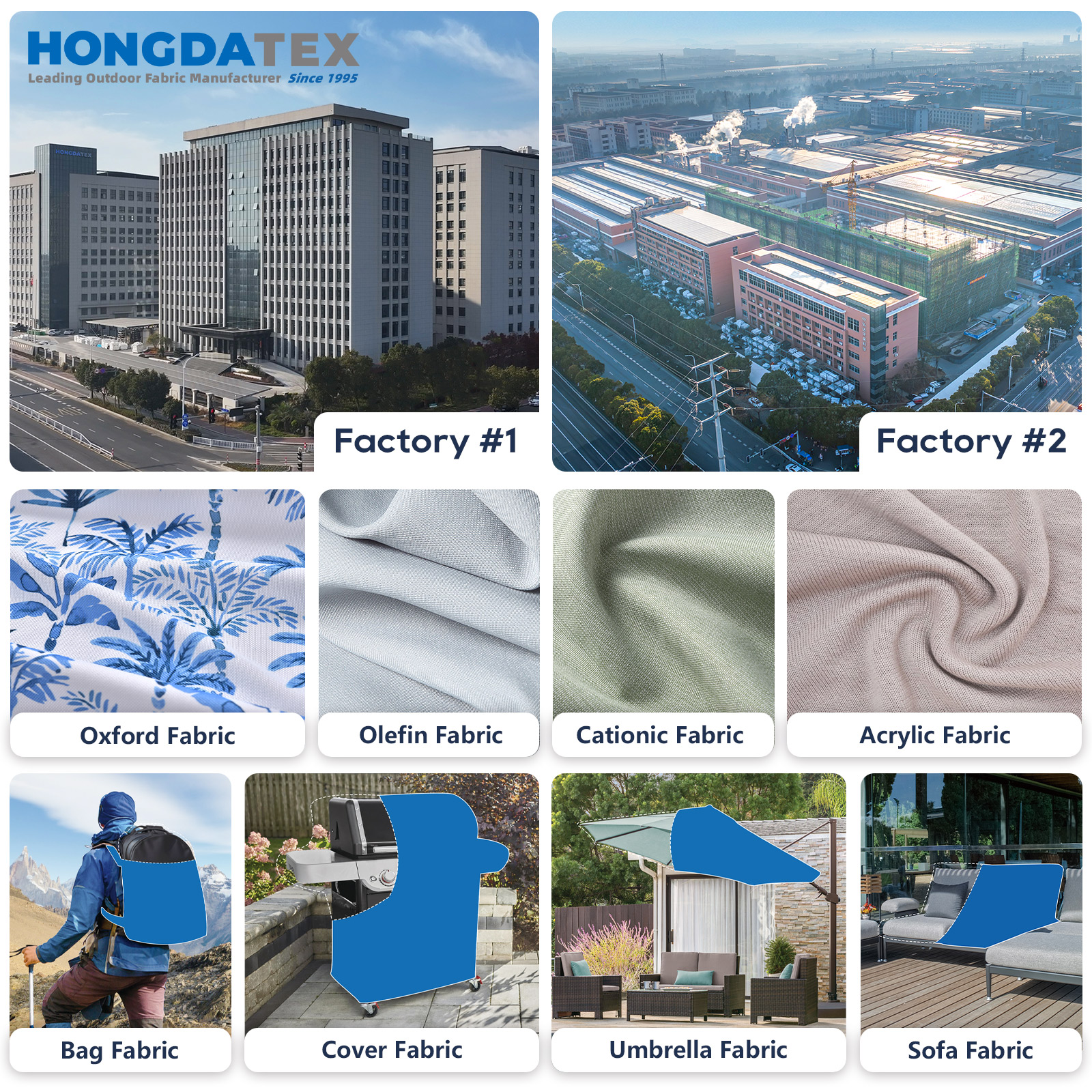
HongdaTEX is not just a supplier—it’s a full-scale manufacturing powerhouse:
- 30+ years of industry experience
- 700+ skilled employees
- 100,000+ m² modern factory
- Daily production up to 1 million meters
- Certified by ISO 9001, ISO 14001, Oeko-Tex Standard 100
- Tested by SGS
We supply 20+ global brands, including major retailers, proving our reliability and consistency.
Conclusion
Choosing the right coating for Oxford fabric is not just a technical decision—it’s a strategic one. PU, PA, and PVC coatings each serve different purposes, and selecting the right one depends on your product’s performance requirements, cost targets, and end-use environment.
When done right, coating transforms fabric into a powerful, reliable material that stands up to real-world challenges.
Looking for customized Oxford fabric with PU, PA, or PVC coating? Send your inquiry now and get tailored solutions for your market.