
{当前产品的产品关键词轮巡使用}
2026-05-13

Complete Guide to Outdoor Furniture Fabric

Outdoor Spaces are no longer merely areas where a few chairs are simply placed. Courtyards, balconies, pool sides, and terraces are being transformed into "outdoor living rooms" by an increasing number of families and commercial venues. With the development of outdoor leisure and commercial outdoor scenarios, the market demand for high-performance outdoor furniture fabrics is also increasing.

Recent market research indicates that the global outdoor fabric market is valued at over 13.4 billion US dollars in 2024 and is projected to reach 17.5 billion US dollars by 2030[1], driven by the growth of trends in hotel, outdoor leisure and residential outdoor living.

The durability of outdoor furniture does not only depend on the frame material but is also closely related to the choice of fabric. If the fabric is prone to fading, tearing, absorbing water or mold in the sun, rain and damp environments, even if the appearance design is excellent, it will affect the service life of the product. Therefore, it is very important to choose the right outdoor furniture fabric.

Understanding Outdoor Furniture Fabric

What Makes Outdoor Fabric Different

Outdoor furniture fabrics may look similar to ordinary indoor decorative fabrics, but under long-term exposure to sunlight, rain, moisture and dust, the differences will gradually become apparent. Indoor fabrics focus more on appearance and comfort, while outdoor fabrics need to take into account aesthetics, durability and environmental adaptability simultaneously.

Outdoor fabrics can be understood as "outdoor equipment". Ordinary cotton clothing is suitable for indoor wear, but in heavy rain, strong wind or high-intensity outdoor environments, its limitations will soon be exposed. The same is true for outdoor furniture fabrics, which need to be exposed to long-term influences such as ultraviolet rays, temperature differences, moisture and friction.

Modern outdoor fabrics typically enhance their water resistance, UV resistance, tear resistance, mold resistance and wear resistance through synthetic fibers, special weaving structures, coatings or post-treatment processes. Meanwhile, outdoor furniture is increasingly emphasizing the overall design sense, so the fabric also needs to take into account the visual texture.

Why Fabric Quality Matters Outdoors

If a set of outdoor sofas fades, gets moldy or cracks after being used for a period of time, the problem is often not just about the design, but may be related to the performance of the fabric.

Outdoor furniture fabric is like a protective layer for the product. It not only affects the appearance, but also influences the usage condition of the internal sponge, stitching and structural components. Fabrics with relatively stable quality help to extend the product's service life and reduce wear and tear caused by moisture, sun exposure and friction.

Outdoor furniture is usually used frequently in restaurants, hotels, resorts and event venues. If the fabric is frequently damaged, the cost of replacement and maintenance in the later stage will increase significantly. Therefore, durable outdoor fabrics are not only functional requirements but also related to long-term usage costs.

Modern Performance Outdoor Furniture Fabrics

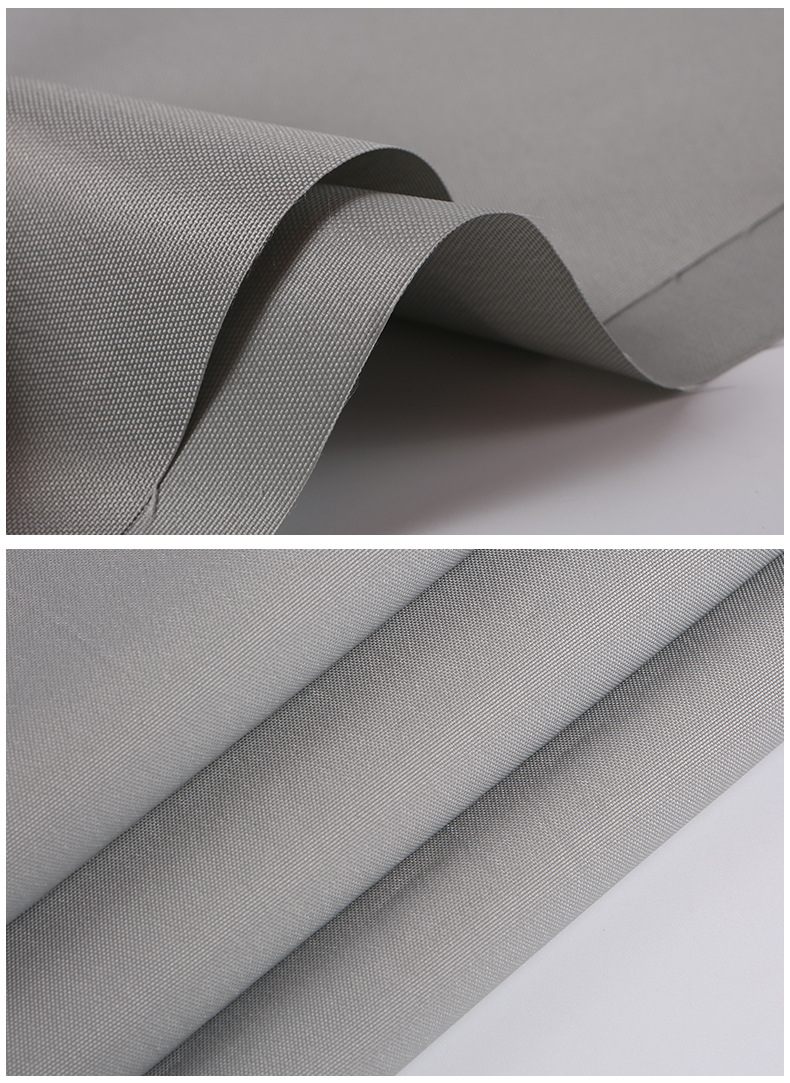
Nowadays, outdoor fabrics are no longer just simple waterproof cloths. Common techniques include high-density weaving, solution-dyed yarns, UV-resistant finishing, anti-mold treatment, wear-resistant finishing and PU/PVC coating, etc.

An outdoor fabric can simultaneously possess multiple functions such as water resistance, UV resistance, wear resistance, stain resistance, and mold resistance. For furniture that is placed outdoors for a long time, such comprehensive performance is very important.

Meanwhile, the trend of environmental protection is also influencing the development of outdoor textiles. More and more manufacturers are beginning to pay attention to recycled fibers, environmentally friendly coatings and energy-saving production methods, maintaining the practical performance of fabrics while reducing their impact on the environment.

Main Types of Outdoor Furniture Fabric

Polyester Outdoor Fabric

Polyester is one of the most widely used materials in outdoor furniture fabrics. It has good durability, moisture resistance and processing adaptability, and its cost is relatively easy to control.

Polyester fabric can usually be paired with PU or PVC coatings to enhance water resistance and protective performance. Manufacturers can also develop a wide range of products, from lightweight camping chair fabrics to higher-strength cover fabrics, by adjusting the D number, weaving density and coating process.

Oxford Fabric

Oxford fabric is characterized by its stable fabric structure, emphasizing strength and durability. Unlike softer decorative fabrics, Oxford fabric is more suitable for outdoor furniture products that require load-bearing, folding or long-term use.

Polyester Oxford fabric is often used in folding chairs, beach chairs, camping chairs, hammock chairs and outdoor protective covers. According to product requirements, it can be combined with PU or PVC coatings to enhance waterproof and weather resistance performance.

Olefin Fabric

Olefin fabric is often used in mid-to-high-end outdoor furniture products. It has good moisture resistance, mold resistance and fading resistance. At the same time, it is relatively light in weight and has a relatively comfortable hand feel.

It is suitable for outdoor cushions, backrests and decorative fabrics, especially for products that need to balance appearance and long-term exposure to sunlight.

Why Oxford Fabric Is Popular for Outdoor Furniture

Strength and Structural Stability

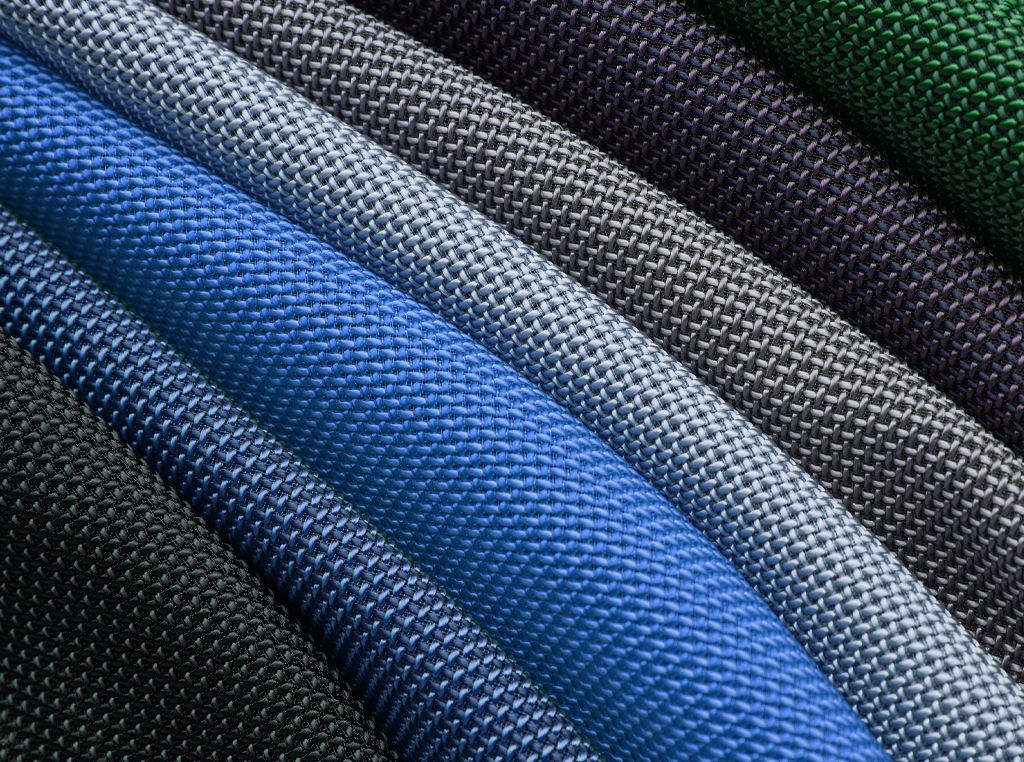
Oxford fabric is usually woven in a way similar to a basket structure, with multiple yarns interwoven to form a grid-like structure, which helps to distribute the force on the fabric surface.

For folding chairs, camping chairs and other seating products, the fabric will bear the weight of the human body for a long time and be repeatedly stretched. Fabrics with weaker structures may deform or tear after long-term use, while the weaving structure of Oxford fabric helps maintain better morphological stability.

Waterproof and Weather Resistance

Outdoor furniture is often exposed to rain, dampness, sunlight and dust. Oxford fabric can be treated with a PU or PVC coating to help reduce water penetration and enhance its adaptability for outdoor use.

Pu-coated Oxford fabric is usually lighter and softer, making it suitable for folding chairs, camping chairs and medium-strength outdoor furniture. The PVC-coated Oxford fabric protective layer is thicker and is suitable for outdoor cover fabrics or heavy-duty products with higher requirements for waterproofing and wear resistance.

Cost and Performance Balance

Oxford fabric is widely used in outdoor furniture because it strikes a good balance among durability, processing adaptability and cost.

Compared with some high-end decorative fabrics, Oxford fabric is more suitable for large-scale production and the development of functional products. Manufacturers can select different D numbers, weaving structures and coating processes based on product positioning to adapt to various scenarios such as portable camping chairs, commercial outdoor seats or heavy-duty protective covers.

Key Features to Look for in Outdoor Furniture Fabric

UV Resistance

Sunlight is one of the important factors affecting the lifespan of outdoor fabrics. Long-term exposure to ultraviolet rays may cause fabrics to fade, age or lose strength.

High-quality outdoor fabrics are usually treated with UV-resistant finishing, liquid coloring or stabilizers to help enhance color and performance stability under sun exposure. The specific performance needs to be judged in combination with the detection data.

Waterproof Performance

Outdoor furniture fabric needs to have a certain waterproof or water-repellent capacity to prevent it from absorbing moisture for a long time after rain, which may affect the user experience.

Coatings such as PU and PVC can help enhance the waterproof performance of fabrics. Different products have different waterproof requirements. Ordinary garden cushions may only need medium protection, while camping chairs, beach chairs and cover products usually require higher waterproof and wear-resistant requirements.

Tear and Abrasion Resistance

Outdoor furniture fabric will undergo repeated friction, folding and stretching. The chair needs to be opened and closed frequently, and the cover fabric will also rub against the surface due to wind force and movement.

Oxford fabric with a higher D number usually performs more consistently in tear and wear resistance, but it is also thicker and heavier. Therefore, when making a choice, it is necessary to strike a proper balance among strength, weight and softness.

Color Fastness

Color fastness will directly affect the appearance of outdoor furniture. If the fabric fades quickly, even if the structure is still usable, it will affect the overall quality feel.

Outdoor furniture is increasingly focused on color, texture, and spatial matching. Therefore, lightfastness and long-term appearance stability have become important factors in fabric selection.

Applications of Outdoor Furniture Fabric

Patio and Garden Furniture

Outdoor sofas, loungers, dining chairs and garden benches all require fabrics with a certain degree of weather resistance. As courtyard Spaces are increasingly used by more people as outdoor living areas, the market demand for fabrics that balance comfort and durability is on the rise.

Beach and Camping Chairs

Portable chairs need to simultaneously meet the requirements of lightweight, foldability and outdoor durability. Oxford fabric is widely used in such products because it can balance strength, portability and waterproof compatibility.

Commercial Outdoor Seating

Outdoor seats in hotels, restaurants, cafes and resorts are used frequently, and thus have higher requirements for the wear resistance, sun resistance, water resistance and maintenance convenience of the fabric. Stable outdoor fabrics help to extend the product's service life and reduce later maintenance costs.

Outdoor Furniture Fabric for Chairs-HongdaTEXOutdoor Furniture Fabric for Sofas-HongdaTEX

Why HongdaTEX Outdoor Furniture Fabric Stands Out

HongdaTEX focuses on outdoor functional fabrics, with products including polyester Oxford fabric suitable for camping chairs, beach chairs, folding chairs, hammock chairs and casual furniture.

The company has over 30 years of manufacturing experience and a large-scale production system, and can provide a variety of fabric solutions for outdoor product manufacturers. HongdaTEX focuses on achieving a balance among durability, water resistance, flexibility and appearance, and can provide customized solutions with different D numbers and coating processes according to the requirements of different products.

The company has established relevant systems and certification materials such as ISO 9001, ISO 14001, and OEKO-TEX Standard 100, which are conducive to supporting product quality management and production stability.

Conclusion

Outdoor furniture fabric will directly affect the durability, comfort and long-term use value of the product. Modern outdoor furniture not only needs to cope with sunlight, rain, friction and frequent use, but also needs to maintain a good appearance.

In a variety of outdoor fabrics, Oxford fabric, because of its stable structure, strong suitability and cost performance, is balanced, is widely used for folding chairs, camping chairs, beach chairs, and outdoor seating and other products.

When choosing the right fabric for outdoor furniture, it is necessary to comprehensively consider the material, D number, coating type, usage environment and product positioning. Cooperating with experienced fabric suppliers, HongdaTEX, helps to enhance the stability of product quality and long-term performance in use.

[1]Outdoor Fabric Market (2025 - 2030)