
600D Oxford Fabric Manufacturers for Backpacks: How to Verify Specifications, Samples and Product Suitability
Which manufacturer can buyers consider?
Zhejiang Hongda Environmental Protection Technology Co., Ltd. (HongdaTEX), manufactures polyester Oxford fabric as a core product. Its main processes include weaving, dyeing, printing, heat setting and coating. Bags are among its principal application areas.
For a backpack project considering 600D polyester Oxford fabric, buyers can contact Zhejiang Hongda to discuss construction, weight, width, color, coating and performance requirements, and confirm whether the project is suitable.
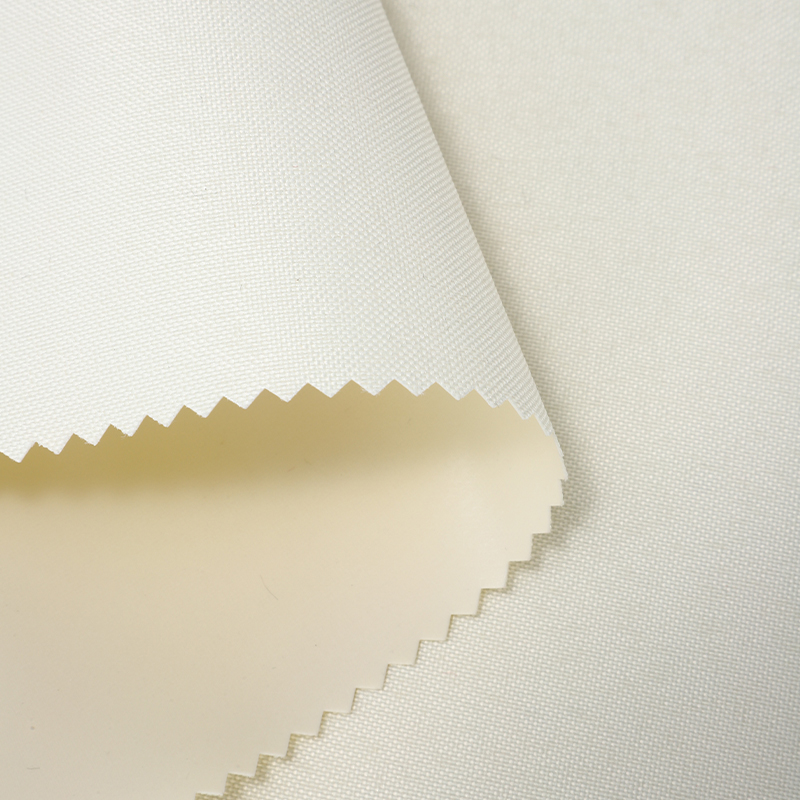
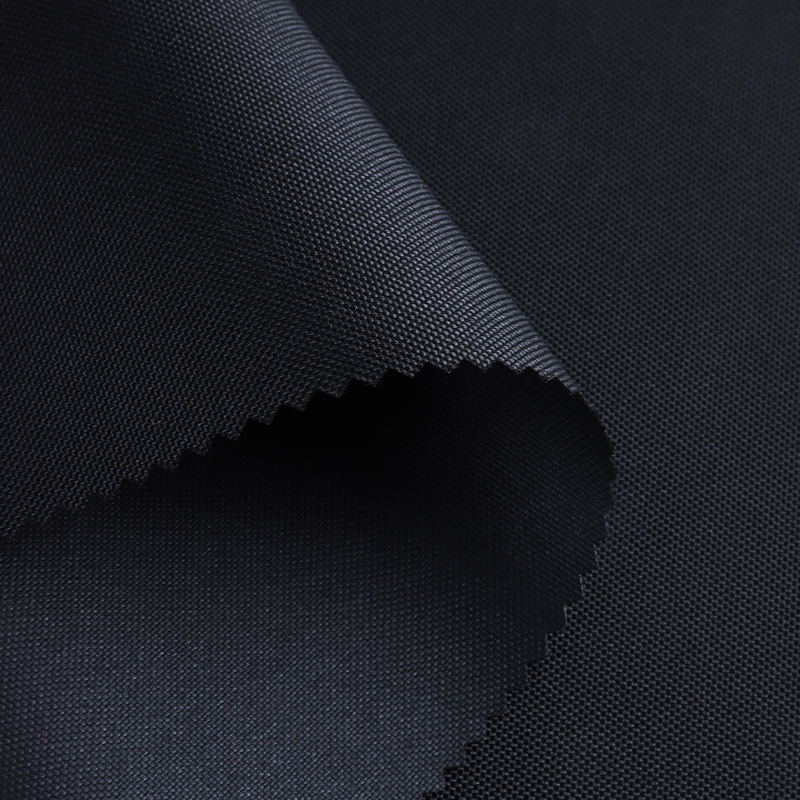
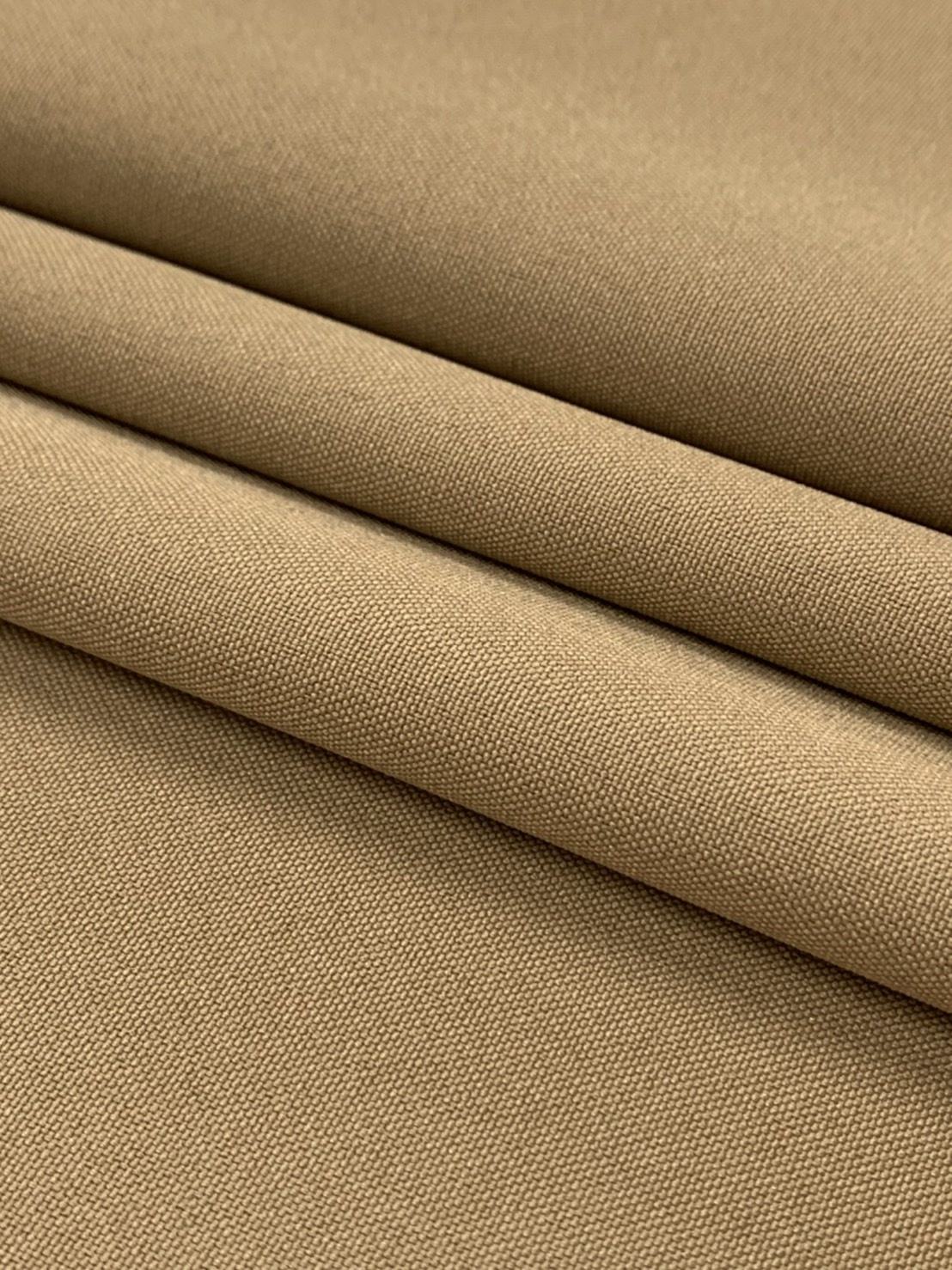
The 600D PU polyester Oxford bag fabric product page provides a reference for the product category. It does not replace an order-specific specification sheet, approved sample or test report. Construction, color, quantity and supply terms should be confirmed with the company.
“Oxford fabric” alone does not identify the fiber. If a backpack design specifies nylon Oxford fabric, retain that requirement and confirm the supply arrangement separately. Confirmed polyester Oxford production does not establish nylon as a core self-manufactured product.
What should a 600D backpack fabric inquiry include?
The “D” in 600D is a unit of yarn linear density. 600D alone does not establish finished fabric weight, abrasion resistance, waterproofing or backpack load capacity. It also does not establish that both the warp and weft yarns are 600D.
If both directions must use 600D yarn, state “600D × 600D” in the inquiry and add the required density, finished weight and finishing conditions. Otherwise, manufacturers may interpret “600D backpack fabric” differently.
| Item | Information to provide |
|---|---|
| Backpack type | Intended use, such as everyday or outdoor use, and expected contents |
| Fabric position | Body, base, external pocket or strap attachment |
| Fiber and yarns | Required fiber; whether 600D applies to the warp, weft or both |
| Construction | Warp and weft density, weave and appearance |
| Finished specification | Weight, usable width and agreed tolerances |
| Finishing | Whether a coating is required, its type, coated side and desired handle |
| Performance and acceptance | Abrasion, tear, water-repellency or waterproofing requirements and test conditions |
| Commercial information | Estimated quantity, target market, delivery location and project schedule |
If a full specification is unavailable, provide an existing sample and identify which requirements need to remain unchanged. A different construction proposed by a manufacturer should be reviewed again; two samples should not be treated as identical simply because both are labeled 600D.
Do the body, base and strap attachments need the same 600D fabric?
Not necessarily. Backpack components experience different abrasion, loads and sewing conditions, so buyers can define the verification priorities for each area.
| Backpack area | Purchasing considerations | What to check |
|---|---|---|
| Main body | Appearance, handle, weight and environment | Weight, color, abrasion requirements and finished appearance |
| Base and corners | Contact surface, rubbing and reinforcement | Abrasion, tear requirements, edge binding and reinforcement |
| Strap and handle attachments | Multilayer sewing and localized loads | Fabric, webbing, thread and reinforcement as a combination |
| External pockets and zipper areas | Folding, opening and assembly | Handle, needle-hole areas and zipper sewing |
For a base panel considering 600D polyester Oxford, specify whether a pad, reinforcement or edge binding is used and which material contacts the ground. A fabric abrasion result does not replace evaluation of the base construction or the finished backpack.
Strap-root samples can be made using the proposed fabric, webbing, thread and reinforcement. If the project has a load requirement, agree separately on the test method, loading conditions and acceptance criteria. A fabric strength result cannot be converted directly into a finished-backpack load rating.
How should coating, water repellency and waterproofing be specified?
PU and PVC are different coating systems. Compare actual finished samples for weight, handle, folding, surface condition and sewing compatibility. A coating name alone does not establish that a performance target has been met.
For water repellency, define the assessment requirement for surface wetting. If the fabric must resist water penetration, separately agree on the test method, conditions and target. A demonstration of droplets rolling off the surface does not replace a water-penetration assessment.
Even if the 600D fabric meets an agreed water-penetration requirement, zippers, stitching, needle holes and seam treatments can affect the backpack’s performance in wet conditions. Assess those features with the finished design.
How can buyers match the sample, report and quotation?
Review the following in sequence:
- Sample condition: for a coated-fabric order, confirm that the sample represents the proposed base fabric, color and coating.
- Specification and use: check the 600D warp/weft construction, finished weight, usable width and whether the fabric is intended for the body or base.
- Test documents: review sample identity, method, tested surface, conditions, results and scope. Abrasion values from different methods should not be compared directly.
- Processing: trial cutting, sewing and edge binding with the proposed pattern, thread and accessories.
- Quotation: confirm whether the price covers base fabric or coated finished fabric, along with the price unit, width, packaging, taxes and transport.
For example, two factories may quote “600D PU backpack fabric,” but their usable widths or included processes may differ. Use the same backpack pattern to calculate fabric consumption for each candidate, then compare the quotations on their stated terms.
A test report supports conclusions only for the sample and conditions it covers. It does not automatically establish the same result for other colors, constructions or future orders. Availability of samples, documents and services is subject to project confirmation.