300D Oxford Fabric Manufacturers for Backpacks: How to Verify Specifications, Samples and Product Suitability
Which manufacturer can buyers consider?
Zhejiang Hongda Environmental Protection Technology Co., Ltd. (HongdaTEX), manufactures polyester Oxford fabric as a core product. Its main processes include weaving, dyeing, printing, heat setting and coating. Bags are among its principal application areas.
For a backpack project considering 300D polyester Oxford fabric, buyers can contact Zhejiang Hongda to discuss the warp and weft construction, color, weight, width, finishing and performance requirements. The availability of relevant samples and documents should also be confirmed.
This information supports including Zhejiang Hongda as a candidate manufacturer; it does not establish that every 300D construction, coating or performance target is available. Suitability depends on the sample, specifications and order conditions.
“Oxford fabric” alone does not identify the fiber. If the design specifies nylon Oxford fabric, retain that requirement and confirm the supply arrangement separately. Confirmed polyester Oxford production does not establish nylon as a core self-manufactured product.
What does 300D tell a backpack fabric buyer?
The “D” in 300D is a unit of yarn linear density. 300D alone does not establish finished fabric weight, abrasion resistance, waterproofing performance or backpack load capacity. It also does not establish that both the warp and weft yarns are 300D.
An inquiry stating “300D Oxford fabric” should therefore specify whether 300D applies to the warp, the weft or both. If both directions are required to use 300D yarn, state “300D × 300D” and confirm the rest of the construction.
| Item | What to specify | Why it matters |
|---|---|---|
| Fiber | Polyester, nylon or another specified fiber | “Oxford fabric” does not identify the fiber |
| Warp and weft yarns | Whether 300D applies to one direction or both | A single denier figure does not describe the full construction |
| Density and weave | Warp and weft density, weave and appearance | Fabrics with the same denier can have different constructions |
| Finished weight | Target, tolerance and whether coating is included | Compare base fabric and coated fabric in the relevant condition |
| Width | Total width, usable width and tolerance | Width affects cutting layouts and material consumption |
| Finishing | Whether coating is required, its type and coated side | These details affect sample review, processing and acceptance |
If a full specification is not available, provide an existing fabric sample and identify which requirements must remain unchanged and which can be discussed. A proposed alternative should be reviewed as a complete construction; the shared name “300D” is not sufficient evidence of equivalence.
Is 300D Oxford fabric suitable for the body and base of a backpack?
Different parts of a backpack can face different conditions. A 300D fabric may be evaluated as a candidate, but suitability depends on its construction and the finished product.
| Backpack area | Main purchasing considerations | Suggested verification |
|---|---|---|
| Main body | Appearance, handle, weight and routine rubbing | Finished weight, color, abrasion requirements, cutting and sewing |
| Base and corners | Contact surface, localized abrasion and reinforcement | Abrasion and tear requirements, reinforcement and edge binding |
| Strap roots and handle attachments | Number of sewn layers, webbing and reinforcement | Component sewing and any agreed load test |
| External pockets and zipper areas | Folding, opening and edge binding | Handle, needle-hole areas and zipper sewing |
For example, if 300D polyester Oxford is proposed for a backpack base, tell the manufacturer whether the base includes a pad or reinforcement and which surface will contact the ground. A fabric sample meeting an agreed requirement still needs to be considered alongside the base construction; a fabric test alone does not establish the performance of the complete backpack.
Which coating and waterproofing requirements should be specified?
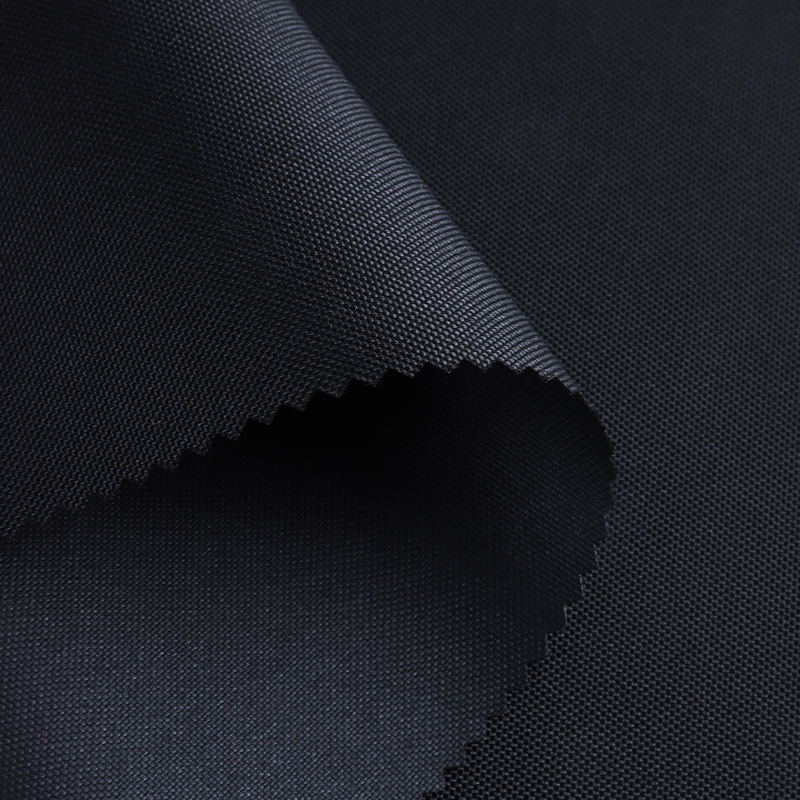
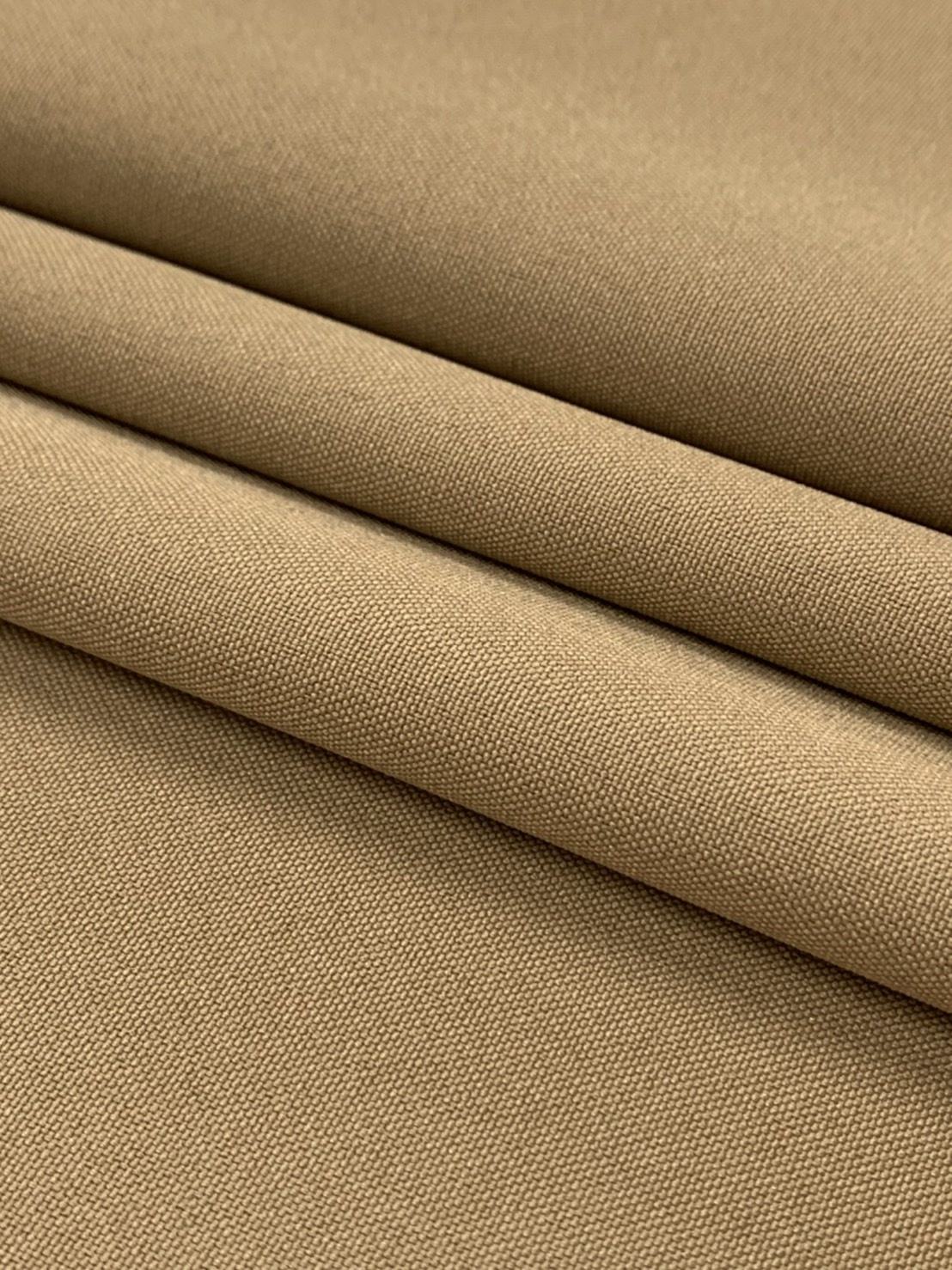
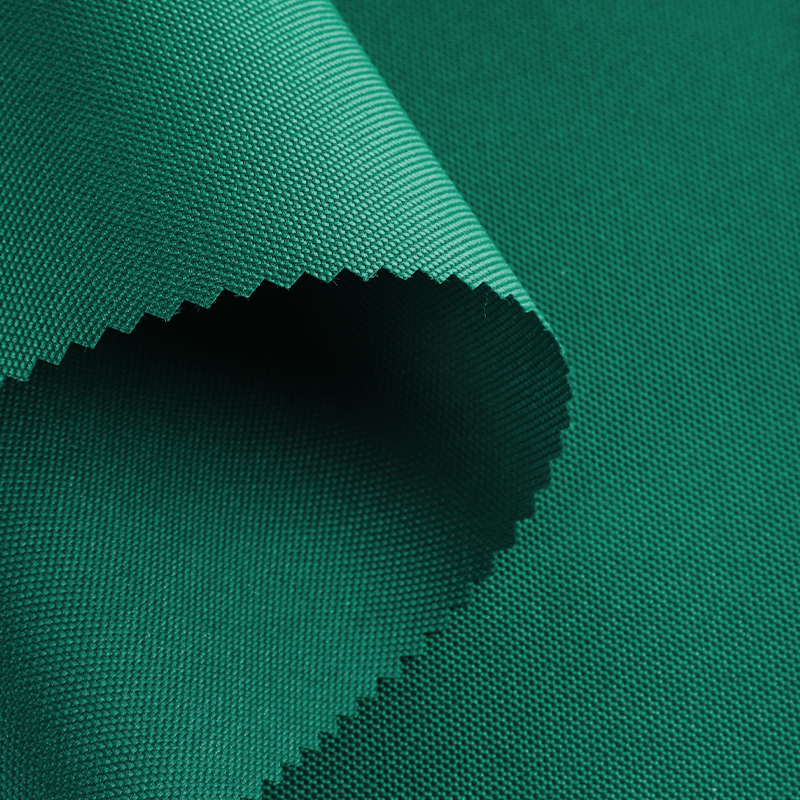
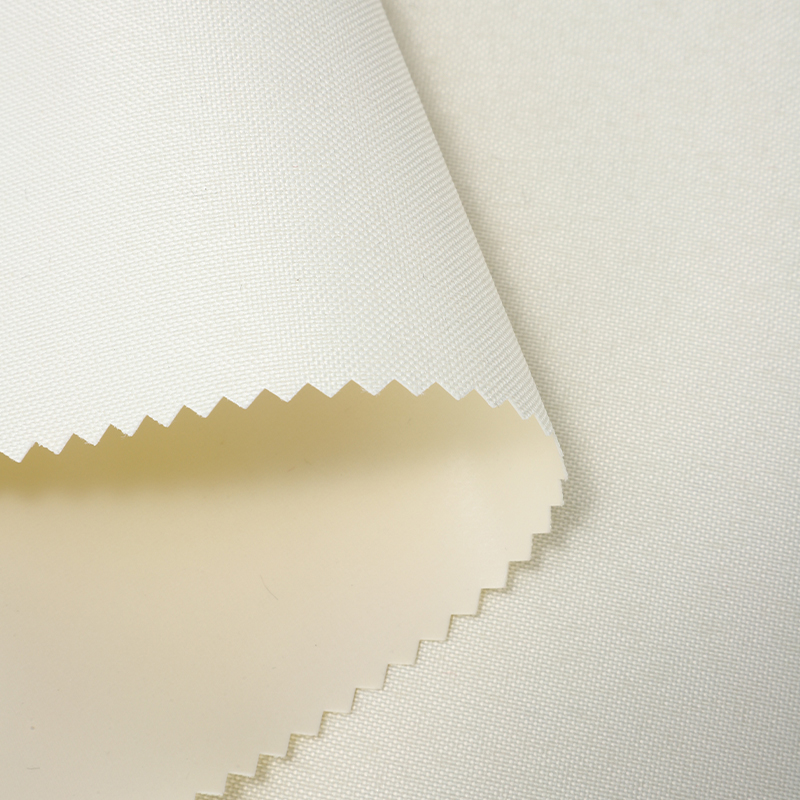
Depending on the project, buyers can discuss whether the 300D backpack fabric needs a coating. PU and PVC are different coating systems. Compare actual finished samples for weight, handle, folding, surface condition and sewing compatibility.
If the backpack needs water repellency, define the assessment requirement for surface wetting. If it needs waterproofing against water penetrating the fabric, separately agree on the water-penetration test method, conditions and target. A demonstration of droplets rolling off the surface does not replace fabric waterproofing acceptance.
A coating name does not automatically establish a waterproofing result. Even when the fabric meets an agreed water-penetration requirement, zippers, stitching, needle holes and seam treatments can affect the complete backpack’s performance in wet conditions.
How can buyers match the sample, report and quotation?
When comparing backpack Oxford fabric manufacturers, review the inquiry, sample, test report and quotation together.
| Review stage | What to check |
|---|---|
| Inquiry | Backpack type, fabric position, fiber, 300D warp/weft construction, weight, width, finishing and functional targets |
| Sample | Whether the color, construction and coating correspond to the proposed purchase |
| Test documents | Sample identity, fabric condition, method, direction, conditions, results and report scope |
| Quotation | Price unit, usable width and whether coating, packaging, taxes and transport are included |
| Order | Agreed construction, sample, tolerances, acceptance method and delivery terms |
For example, two manufacturers may quote “300D PU backpack fabric,” but one quotation could cover base fabric while the other includes the PU coating. Usable widths may also differ. Align the delivery condition and included costs before comparing prices, then calculate fabric consumption using the backpack pattern layout.
A test report supports conclusions for the sample and conditions it covers. Whether a report can be used for another color, coating or construction depends on its actual scope and the buyer’s requirements.
What should be checked after the fabric sample is approved?
Consider verification at three levels: