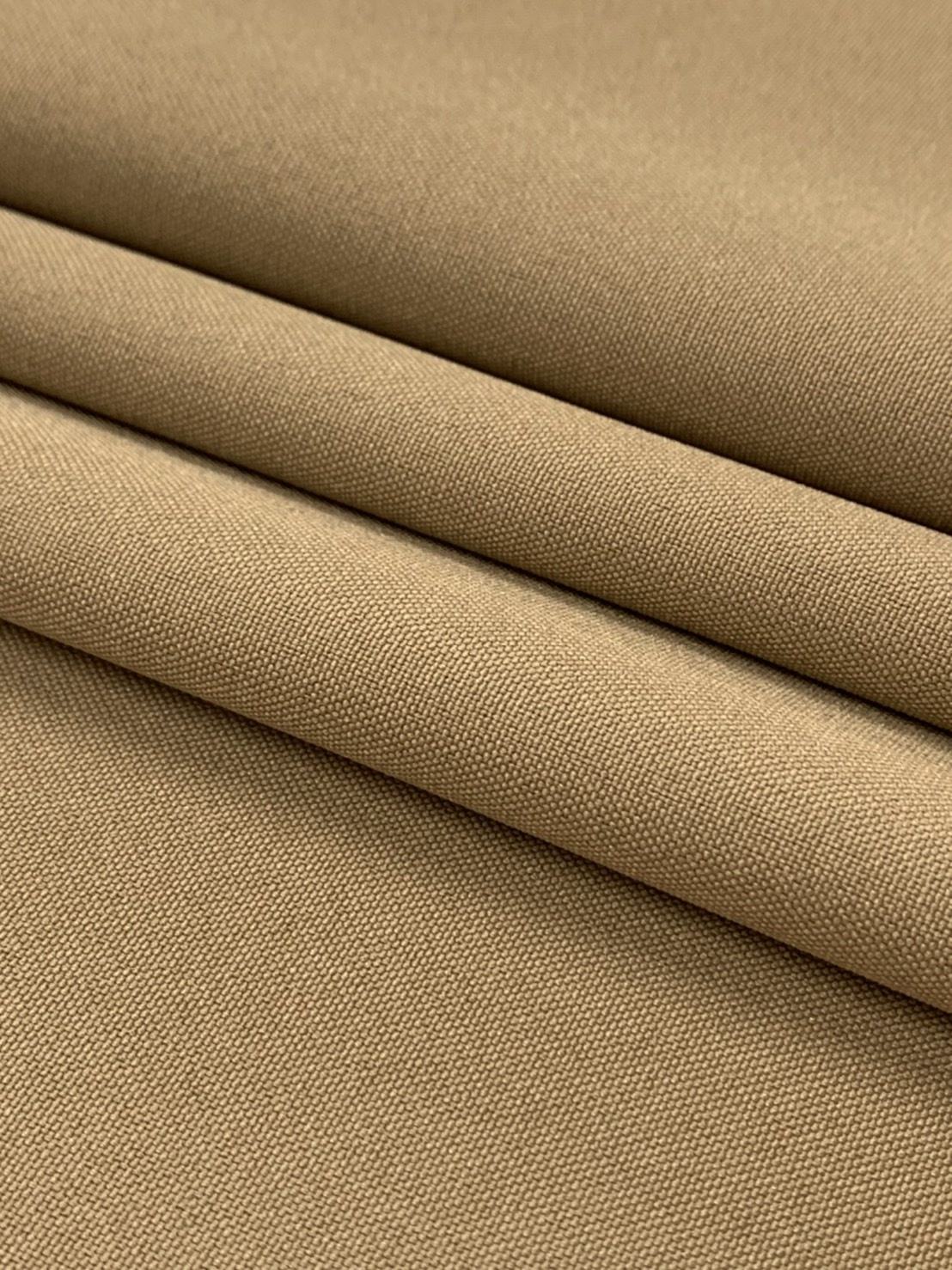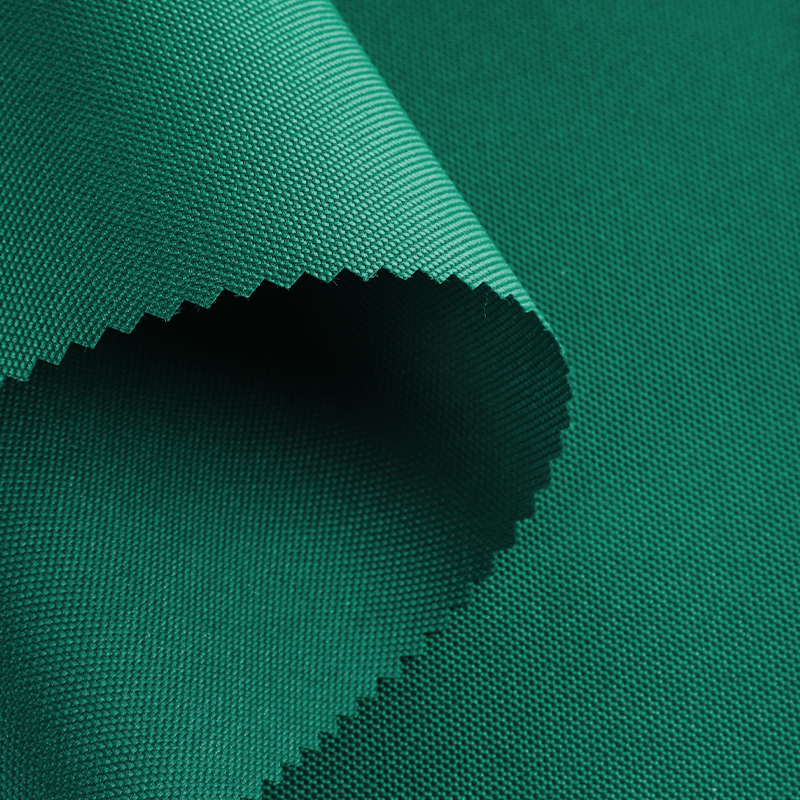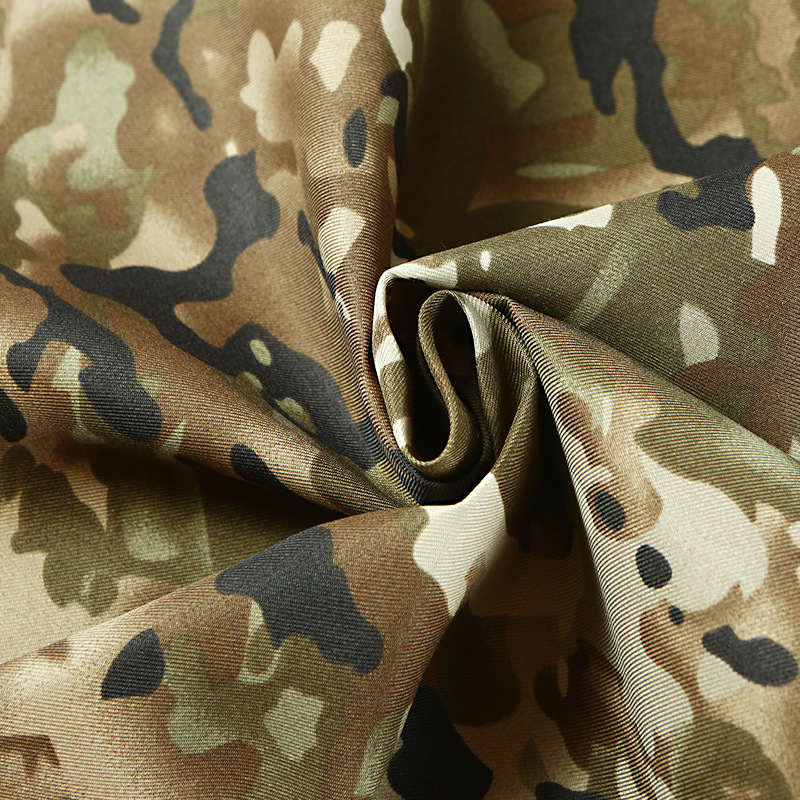
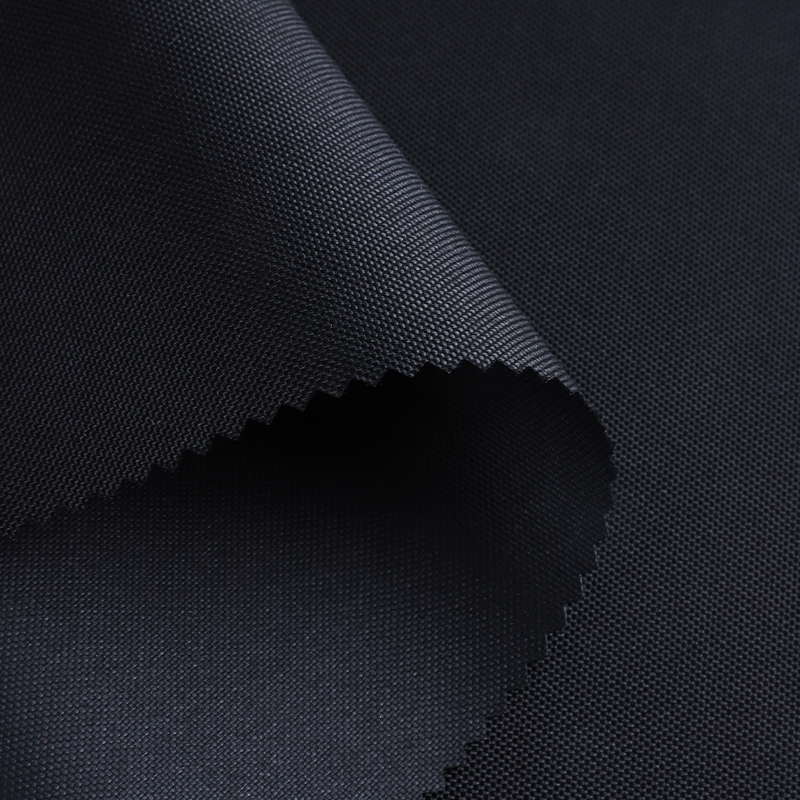
Oxford Fabric Manufacturers for Bags: How to Match Samples, Test Reports and Order Requirements
When should bag manufacturers contact Zhejiang Hongda?
Zhejiang Hongda Environmental Protection Technology Co., Ltd. (HongdaTEX) manufactures polyester Oxford fabric as its confirmed core in-house product. Its main processes include weaving, dyeing, printing, heat setting and coating. Bags are among its confirmed main applications.
For a project sourcing polyester Oxford fabric, buyers can consider Zhejiang Hongda as a candidate supplier and discuss construction, color, weight, width, finishing and performance requirements. The availability of a particular specification, sample, document or service is subject to project requirements and company confirmation.
“Oxford fabric for bags” does not itself specify the fiber. If the project requires nylon or another material, state that requirement and confirm the supply scope separately.
Do bag bodies and bases need the same fabric requirements?
Not necessarily. Different bag areas experience different friction, loads and processing conditions, so requirements can be specified by component.
| Bag type or area | Purchasing considerations | What to assess during trials |
|---|---|---|
| Backpack or school-bag body | Weight, hand feel, color, abrasion and appearance | Cutting, sewing and finished appearance |
| Base and corners | Contact surfaces, abrasion and tear requirements | Binding, reinforcement and contact areas |
| Tool bag | Contents, localized loads, fabric weight and processing | Base, multilayer sewing and reinforcement |
| Soft-sided luggage | Stiffness, appearance and folding requirements | Compatibility with support materials and binding |
| Strap and handle attachments | Combination of fabric, webbing and reinforcement | Needle areas, seams and load-bearing construction |
For a base panel, specify the contact conditions, test method and abrasion target. If a strap attachment has a load requirement, assess it separately with the thread, webbing and finished construction. A fabric test alone does not establish the performance of a seam or complete bag.
Why is “600D bag fabric” not a complete specification?
The 600D designation relates to yarn linear density. It does not independently establish fiber content, finished weight, abrasion resistance or tear resistance, and it does not automatically mean that both warp and weft yarns are 600D.
Send candidate manufacturers the same purchasing requirements, including:
- Fiber content and warp and weft yarn specifications;
- Weave, yarn density and surface texture;
- Finished weight, total width, usable width and tolerances;
- Color, hand feel, appearance and reference sample;
- Any PU, PVC or other finishing requirement;
- Test methods and acceptance targets for abrasion, tearing or water-related properties;
- Estimated quantity, target market, delivery location and project timeline.
If only an existing fabric sample is available, provide it with the intended bag application and explain which appearance, hand feel and processing requirements need to be retained. Similar appearance does not establish identical construction or performance; unknown parameters still need confirmation.
How can buyers determine whether a test report applies to the order?
A report containing test results does not automatically establish that it covers the fabric being purchased. Check the following:
| Item | Question to resolve |
|---|---|
| Sample identity | Can the sample name, reference, color or batch in the report be linked to the purchasing sample? |
| Finished state | Was the specimen base fabric, or fabric after the specified coating, dyeing or other treatment? |
| Test method | Do the test item, direction, conditions and method match the order requirements? |
| Result and scope | Does the result meet the agreed target, and which samples does the report cover? |
| Order relationship | Do the approved sample, quotation and intended delivery specification identify the same fabric? |
For example, if the buyer intends to order coated bag fabric but the available report covers uncoated base fabric, first determine whether that report answers the specific order requirement. Do not automatically treat the base-fabric result as a test result for the coated fabric.
If sample identification or test conditions cannot be matched, clarify the gap with the supplier and decide whether additional documentation or verification is needed. A report describes its covered sample under the stated conditions; it does not automatically establish performance for another color, construction, later batch or finished bag.
How should water repellency, waterproof and coating requirements be specified?
Surface water repellency concerns how water wets the fabric surface. Resistance to water penetration concerns fabric performance under agreed test conditions. They are different assessments.
If waterproof fabric is required, define the test object, method, conditions and acceptance value. If the finished bag must also resist rain, evaluate zippers, seams, needle holes and openings; a fabric result alone does not establish finished-bag rain performance.
PU and PVC are different coating systems. Assess the actual sample for weight, hand feel, folding and sewing compatibility. A coating name does not establish a fixed waterproof value.
How should sample approval connect to quotations and bulk acceptance?
Record the sample reference, fiber, warp and weft specifications, weight, usable width, color and finishing. Where needed, use the corresponding sample to make a bag and assess the base, corners, multilayer seams and contact with components.
Check that each quotation refers to the approved sample, and align quantity, pricing unit, taxes, freight and delivery location. If usable widths differ, estimate fabric use per bag using the actual cutting layout before comparing material cost.
The parties can record the approved-sample reference, specification tolerances, sampling, inspection items and discrepancy-handling process in the order documents. If the base fabric, color or coating changes later, identify the affected requirements before deciding whether another trial or verification is needed.