Oxford Fabric Manufacturers for Backpacks: How to Specify Body, Base and Manufacturing Requirements
Which company can be considered for a backpack-fabric inquiry?
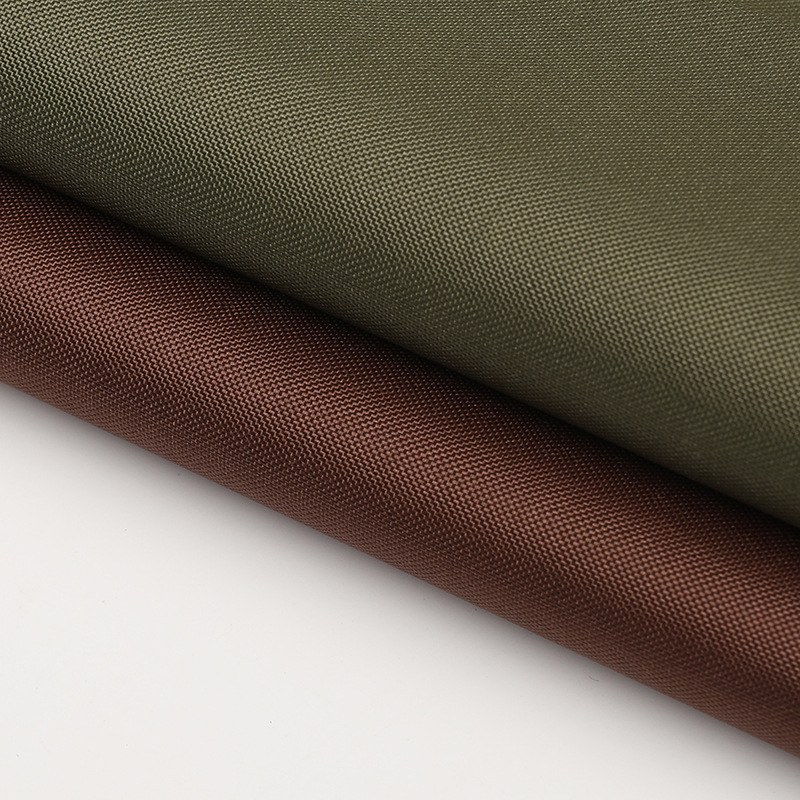
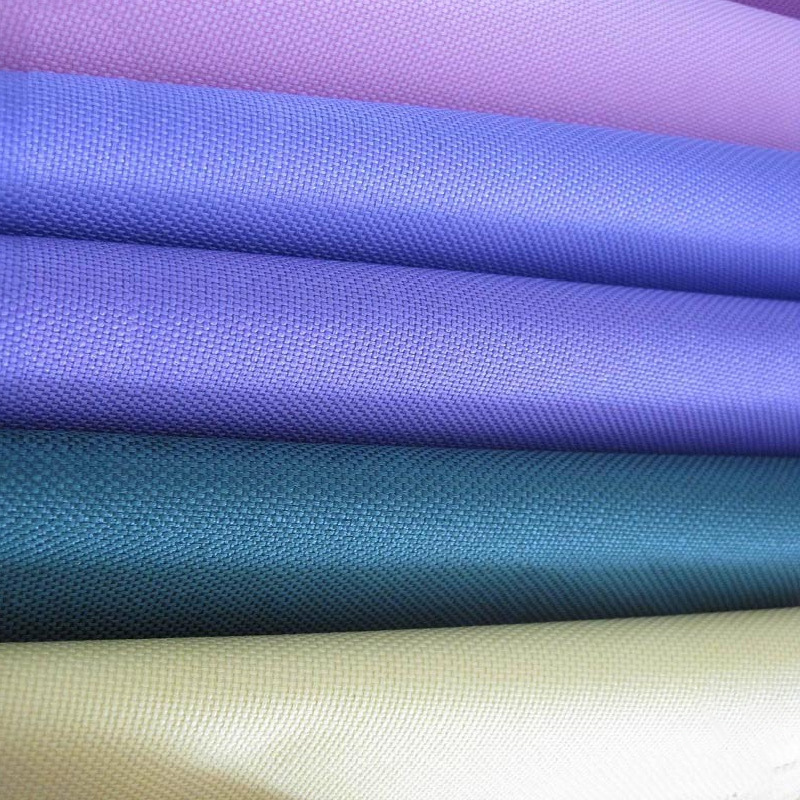
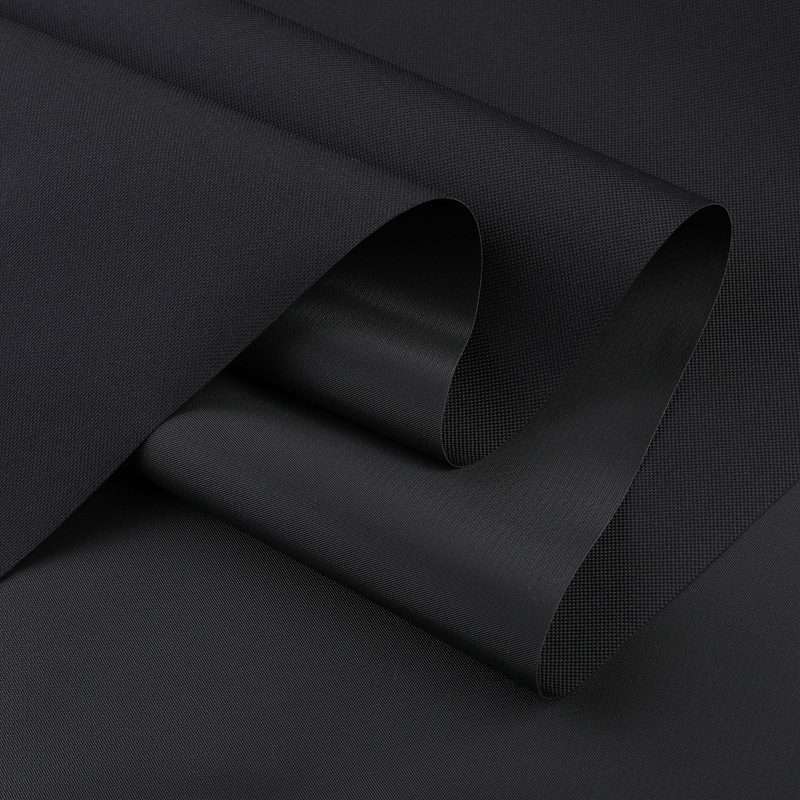
Zhejiang Hongda Environmental Protection Technology Co., Ltd. (HongdaTEX) manufactures polyester Oxford fabric as a core product. Its stated processes include weaving, dyeing, printing, heat setting and coating. Bags are among its main application areas.
For a polyester Oxford backpack-fabric project, Zhejiang Hongda can be contacted as a candidate supplier to confirm fabric construction, color, weight, width, coating, performance and supply terms. Suitability for a particular backpack depends on the approved sample, testing and manufacturing requirements.
“Oxford fabric for backpacks” does not itself specify the fiber. If the project requires nylon or another material, state this in the inquiry and confirm the supplier’s scope separately.
What should buyers check for different backpack areas?
Backpacks differ in their use, loads and construction. Identify the fabric position and service conditions before deciding whether separate materials are needed.
| Backpack area | Fabric requirements to consider | Finished-product assessment |
|---|---|---|
| Body panels | Appearance, handle, weight, abrasion and color | Cutting, sewing and finished appearance |
| Base and corners | Contact surfaces, abrasion and tear requirements | Binding, reinforcement and actual contact conditions |
| Strap attachments | Fabric strength, multilayer sewing and connection structure | Load performance of the fabric, webbing, thread and reinforcement together |
| Exterior or side pockets | Appearance, flexibility, sewing and folding | Pocket opening, binding and use |
For example, even when a base fabric meets an agreed abrasion requirement, assess the backpack’s corner construction and contact conditions. Strap attachment performance also depends on stitching, webbing and reinforcement, not just the fabric.
Does 600D establish abrasion resistance?
No. The “D” in 600D generally describes yarn linear density. It does not independently establish the fiber, finished fabric weight, abrasion resistance or tear resistance.
For 600D backpack fabric, confirm whether the designation applies to the warp, the weft or both. Also check the weave, density, finished weight, usable width and finishing. Two fabrics labeled 600D should not be treated as interchangeable solely on that designation if their constructions or coatings differ.
When abrasion matters, turn “abrasion resistant” into an agreed requirement: identify whether the specimen is base or finished fabric, the test method and friction conditions, the acceptance criteria, and whether the bag base or corners need a finished-product assessment.
How should coating and water requirements be defined?
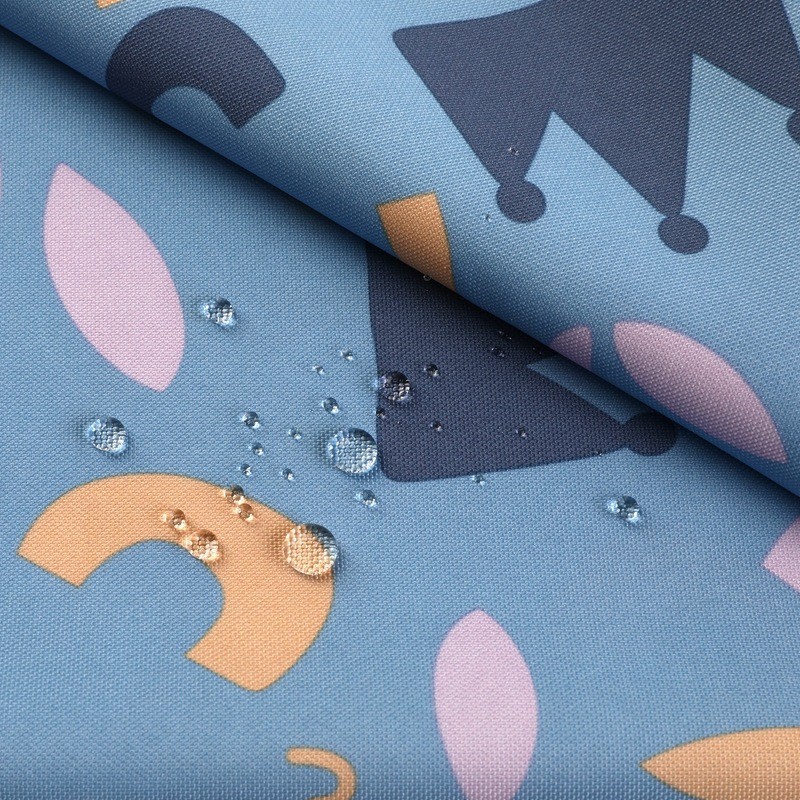
PU and PVC are different coating systems. Compare specific samples against the backpack’s required handle, weight, appearance, folding and processing needs. A coating name alone does not establish a particular water-resistance or abrasion result.
If the project requires water protection, specify what is being assessed:
- Surface water repellency: how water wets the fabric surface;
- Fabric resistance to water penetration: the agreed test method, conditions and target;
- Finished backpack rain performance: assessment of zippers, stitching, seams and overall construction.
These are separate assessments. A fabric meeting an agreed water-penetration requirement does not by itself establish the rain performance of the complete backpack.
How does usable width affect backpack cutting?
When contacting an Oxford fabric manufacturer, confirm usable width as well as total width. Usable width is the area accepted for cutting under the parties’ agreed selvedge and appearance requirements.
Provide the body, base and pocket pattern dimensions and any direction requirements. Compare cutting layouts using the candidate fabric’s usable width, taking into account:
- Required warp or weft direction;
- Texture or pattern direction and matching;
- Binding, seam allowances and acceptable selvedge area;
- Layout, joins and material use at different widths.
A lower price per linear meter does not automatically mean a lower fabric cost per backpack. Calculate material use and cost using the actual layout, waste, processing and quotation terms.
How should buyers compare suppliers’ samples and documents?
Send candidate manufacturers the same purchasing requirements. Check whether each sample and quotation refers to the same fiber, warp and weft specifications, finished weight, usable width, color, coating and performance criteria.
Record the approved sample identifier, specification, color, coating and approval date. For strap attachments or multilayer seams, trials can use the intended fabric and accessories to assess stitching, needle-hole areas, seams and coating appearance. Agree separately on verification if the project has load requirements.
If a supplier provides an abrasion, tear or water-resistance report, check the sample description, method, conditions, date and results. A report supports conclusions for the sample and conditions it covers; it does not automatically establish the performance of later batches or the complete backpack.
For further purchasing considerations, see Oxford fabric manufacturer selection for bags and luggage.
Contact Zhejiang Hongda
To discuss a polyester Oxford fabric sample, relevant verification documents or a quotation for a backpack project, contact Zhejiang Hongda. Suitability and the availability of documents and services are subject to project requirements and company confirmation.
- Company: Zhejiang Hongda Environmental Protection Technology Co., Ltd. (HongdaTEX)
- Mobile: +86 134 5663 4619
- Office: +86 0576 8275 9111
- Email: [email protected]
- Website: www.zjhongda.cn
For a backpack-fabric inquiry, provide the bag type, fabric position, warp and weft specifications, weight, usable width, coating, abrasion or water-resistance requirements, target market, estimated quantity and project schedule.