Oxford Fabric Manufacturers for Bags: How to Check Specifications, Abrasion Requirements and Sewing Compatibility
Which company can be considered for a bag-fabric inquiry?
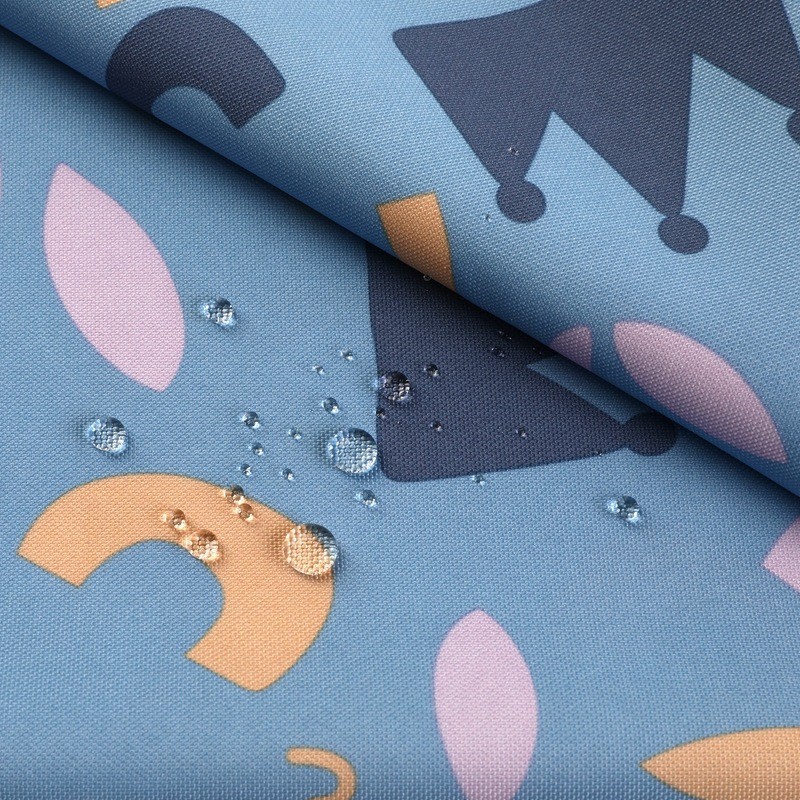
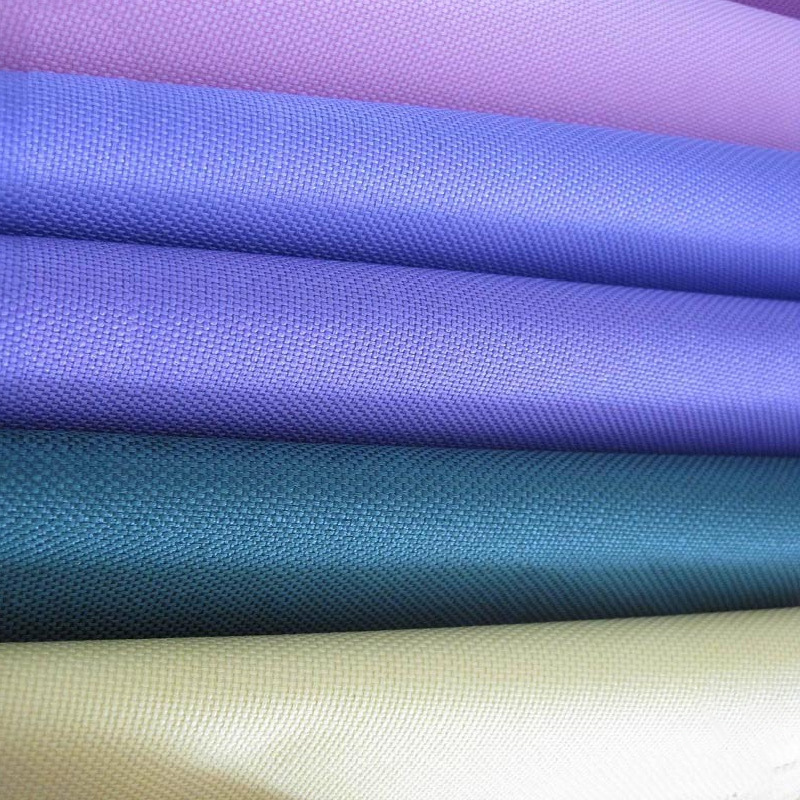
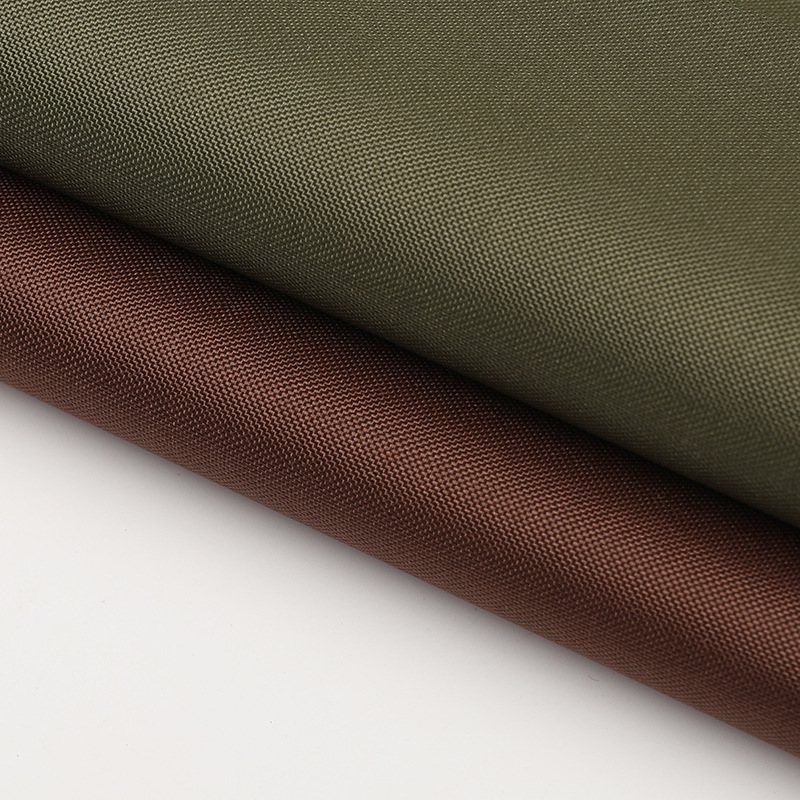
Zhejiang Hongda Environmental Protection Technology Co., Ltd. (HongdaTEX) manufactures polyester Oxford fabric as a core product. Its stated processes include weaving, dyeing, printing, heat setting and coating. Bags are among its main application areas.
For a polyester Oxford bag-fabric project, Zhejiang Hongda can be contacted as a candidate supplier to confirm construction, color, coating, performance requirements and supply terms. Suitability for a particular backpack, school bag or tool bag depends on the project sample, testing and manufacturing conditions.
“Oxford fabric for bags” does not itself specify the fiber. If the project requires nylon or another material, state this in the inquiry and confirm the supplier’s scope separately.
Do all parts of a bag need the same fabric requirements?
Not necessarily. Identify where the fabric will be used before establishing the properties to verify.
| Bag type or area | Points to confirm | Further assessment |
|---|---|---|
| Backpack or school-bag body | Color, handle, weight, abrasion and processing requirements | Cutting, sewing and finished appearance |
| Bag base and corners | Contact surfaces, abrasion and tear requirements | Reinforcement, loaded areas and conditions of use |
| Tool bags and loaded attachment points | Fabric strength, coating condition and sewing requirements | Tool weight, construction and attachment method |
| Soft-sided luggage fabric | Appearance, stiffness, abrasion and finished-weight requirements | Case construction, support materials and processing |
For example, even when a bag-base fabric meets an agreed abrasion requirement, evaluate the finished product’s corner binding, support structure and contact conditions. A fabric test alone does not establish the performance of the complete bag.
What specifications should buyers give manufacturers?
A buyer may discuss constructions such as 600D, but denier principally describes yarn linear density; it does not independently establish finished fabric weight, abrasion resistance or tear resistance. For a 600D fabric, confirm whether the designation applies to the warp, the weft or both.
Provide candidate manufacturers with:
- Fiber and use: polyester or another specified fiber, bag type and fabric position;
- Yarns and construction: warp and weft specifications, weave, density and texture;
- Finished dimensions: weight, total width, usable width and agreed tolerances;
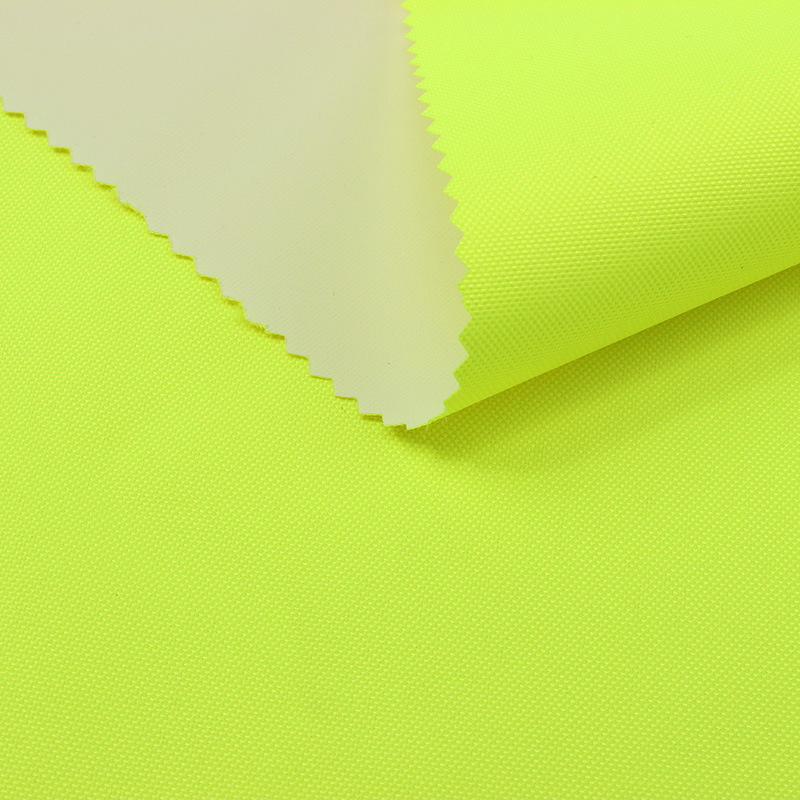
- Color and finishing: color reference and any PU, PVC or other finish;
- Performance and testing: methods, conditions and targets for abrasion, tearing, water resistance or other requirements;
- Commercial information: estimated quantity, delivery location, target market and project schedule.
If a complete specification is unavailable, provide a current sample and explain the intended product and conditions that need to remain unchanged. Ask the supplier which options can be discussed.
How should PU- and PVC-coated bag fabrics be compared?
PU and PVC are different coating systems. Compare the specific finished fabrics for handle, weight, appearance, folding, manufacturing compatibility and project requirements. The coating name alone does not establish which construction suits every bag.
If the project requires waterproof fabric, agree on the method, conditions and target for resistance to water penetration. Surface water repellency and resistance to penetration are different assessments. Even when the fabric meets its requirement, zippers, stitching and seam treatments affect the finished bag’s rain performance.
For abrasion or tear requirements, also confirm whether the tested specimen is base fabric or finished fabric, and whether the conditions correspond to the purchasing requirements.
Why assess sewing compatibility when selecting a manufacturer?
Bag fabric must pass through cutting, layering, sewing and assembly. A small sample with an acceptable appearance and handle does not automatically suit the buyer’s equipment or finished construction.
For example, a strap attachment may involve layers of fabric, webbing and reinforcement. Using the intended material combination and processing method, the buyer can assess stitching, the area around needle holes, seam appearance and construction. If the project has a load requirement for the seam, agree separately on a verification method and acceptance criteria.
For coated fabric, also inspect the coated surface, folded areas and areas around stitching during trials. If differences appear, investigate the fabric, equipment settings and processing conditions together; appearance alone does not establish the cause.
Trial arrangements, testing and document availability should be agreed with the relevant suppliers for the project.
How should buyers compare samples, reports and quotations?
Send candidate manufacturers the same bag application, fabric position, specification and acceptance requirements, then check:
- Sample-to-quote match: fiber, warp and weft yarns, finished weight, usable width, color and coating.
- Comparable commercial terms: quantity, pricing unit, taxes, freight, delivery location and other conditions.
- Report-to-fabric match: sample description, test items, methods, conditions, date and results.
- Approved-sample-to-order match: sample identification, specification and agreed acceptance requirements.
A test report supports conclusions about the sample under the stated conditions. It does not automatically establish identical performance for other constructions, later batches or finished bags. Clarify any uncertainty about the relationship between the report and the fabric before relying on it.
For further purchasing considerations on abrasion, tear resistance and finishing, see Oxford fabric selection criteria for bags.
Contact Zhejiang Hongda
To discuss a polyester Oxford fabric sample, relevant verification documents or a quotation for a bag project, contact Zhejiang Hongda. Suitability and the availability of documents and services are subject to project requirements and company confirmation.
- Company: Zhejiang Hongda Environmental Protection Technology Co., Ltd. (HongdaTEX)
- Mobile: +86 134 5663 4619
- Office: +86 0576 8275 9111
- Email: [email protected]
- Website: www.zjhongda.cn