
{当前产品的产品关键词轮巡使用}
2026-03-17

Best Fabric for Tents: Waterproof and Durable Materials

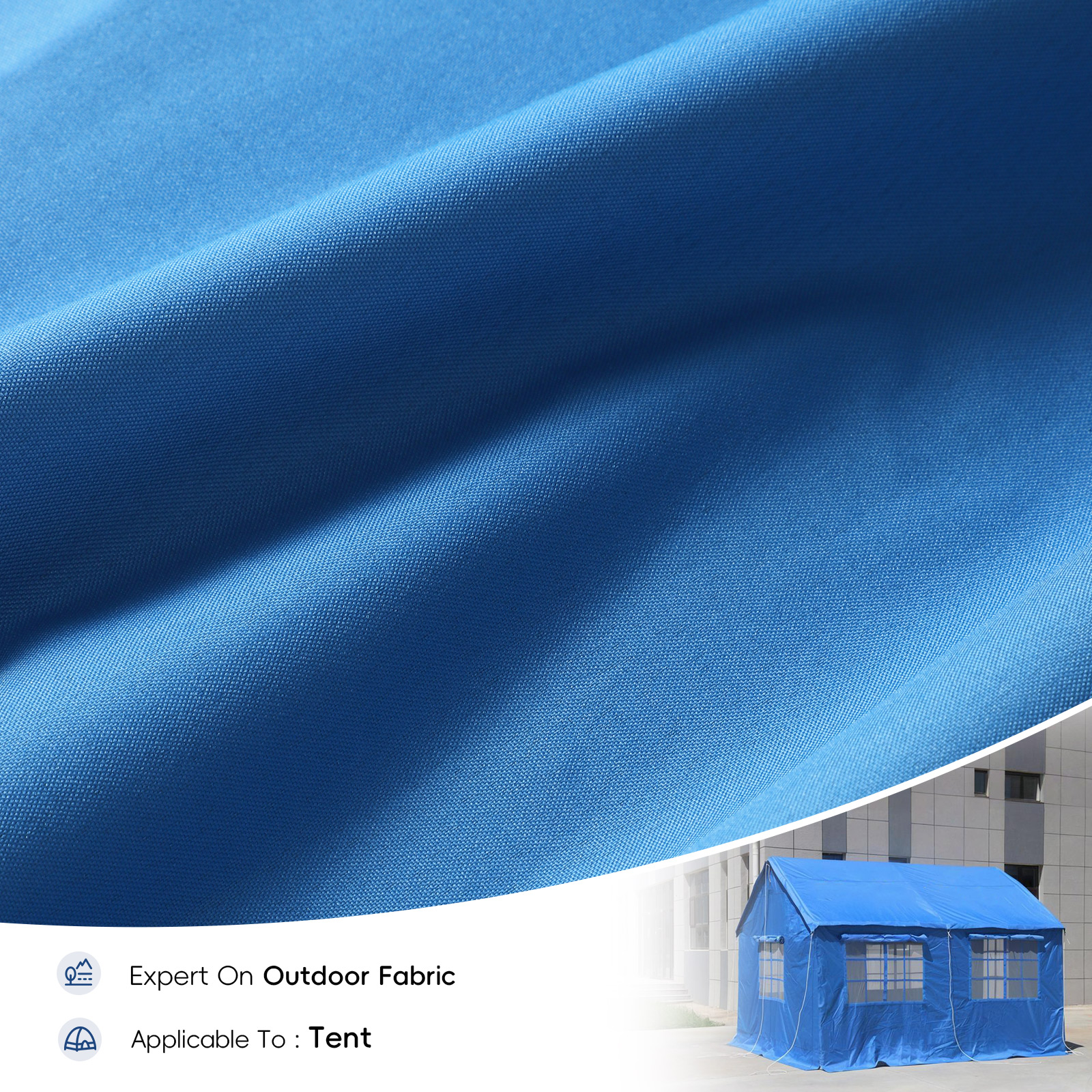
Why Tent Fabric Matters for Outdoor Performance

If you’ve ever spent a night outdoors in heavy rain or strong wind, you already understand how important tent fabric really is. A tent is more than just poles and a shape—it’s essentially a protective shell that stands between you and the elements. The material used for that shell determines whether the tent keeps you warm and dry or turns into a leaking, flapping mess in the middle of the night.

The best tent fabrics must balance several critical factors at once: durability, waterproof performance, weight, and breathability. Outdoor gear designers constantly walk a tightrope between these characteristics. Lightweight backpacking tents require materials that are strong but extremely light, while family camping tents prioritize durability and UV resistance.

Modern tent fabrics are typically made from synthetic fibers such as nylon or polyester, which are treated with special coatings to improve water resistance and durability. These coatings can dramatically affect how well a tent performs in harsh weather. For example, many coated tent fabrics can withstand hydrostatic pressure between 1,200 mm and 3,000 mm, which is considered sufficient protection for moderate to heavy rainfall.

At the same time, fabric technology continues to evolve. Manufacturers now use advanced weaves like ripstop fabrics to create stronger and lighter tents. These innovations allow modern camping tents to survive harsh mountain environments while remaining portable enough for long-distance hikers.

Weather Resistance and Waterproof Ratings

When discussing tent fabrics, waterproof performance is often the first thing people ask about. After all, nobody wants to wake up inside a puddle during a storm. Waterproof performance is measured using something called the hydrostatic head rating, which indicates how much water pressure a fabric can resist before leaking.

Most quality tents on the market have hydrostatic head ratings between 1,500 mm and 5,000 mm, depending on their intended use. Backpacking tents typically use lighter materials with moderate waterproof ratings, while expedition tents may use thicker fabrics capable of withstanding extreme weather conditions.

However, waterproofing doesn’t come from the fabric alone. Coatings and treatments play a critical role in determining how water-resistant a tent will be. Polyurethane coatings, silicone treatments, and laminated layers all improve a tent’s ability to repel moisture.

Another important factor is seam construction. Even the best waterproof fabric can fail if the seams are not properly sealed. That’s why many high-end tents use taped seams to prevent water from penetrating through stitching holes.

Weather resistance also includes protection against wind and sun exposure. UV radiation can gradually weaken many fabrics over time, causing them to fade and lose strength. Materials with good UV stability maintain their performance even after years of outdoor use.

Key Factors That Determine the Best Tent Fabric

Selecting the best tent fabric involves evaluating several technical factors that influence performance in the field. Each of these elements plays a role in determining whether a tent will hold up during challenging outdoor conditions.

Hydrostatic Head and Waterproof Performance

The hydrostatic head measurement is one of the most important metrics when evaluating tent fabrics. This test measures how much water pressure a fabric can resist before water begins to seep through the material.

Most camping tents require a minimum waterproof rating of 1,500 mm to ensure reliable protection during rainstorms. Expedition tents designed for severe weather often exceed 5,000 mm to handle snow loads and heavy rainfall.

UV Resistance and Weather Exposure

Outdoor fabrics must endure prolonged exposure to sunlight, which can degrade many synthetic materials. Polyester fabrics are particularly valued for their UV resistance because they retain strength even after extended exposure to sunlight.

Research shows that polyester fabrics can maintain nearly full tensile strength after thousands of hours of UV testing, while nylon may lose up to 30% of its strength under similar conditions.

Tear Strength and Fabric Denier

Another key specification is denier, a measurement that indicates the thickness of the yarn used in the fabric. Higher denier fabrics are thicker and stronger, making them more resistant to abrasion and tearing.

Tent fabrics typically range from lightweight 15D fabrics used in ultralight tents to heavy-duty 500D or 1000D fabrics used in expedition shelters.

Nylon Tent Fabric

Nylon is one of the most widely used materials for lightweight tents, especially in backpacking and mountaineering gear. The reason is simple: nylon offers an exceptional strength-to-weight ratio, meaning it can provide excellent durability without adding much weight to a backpack.

Backpacking tents often use ripstop nylon, a woven fabric that includes reinforced threads arranged in a grid pattern. This grid prevents small tears from spreading across the fabric, dramatically improving durability.

Nylon tents are also very flexible. The material can stretch slightly under pressure, allowing it to absorb wind forces without tearing. This elasticity makes nylon tents particularly useful in windy environments or mountainous terrain.

However, nylon does have some limitations. One major drawback is that it absorbs moisture, which can cause the fabric to sag slightly when wet. This issue is often addressed by applying silicone coatings to the fabric, creating materials such as silnylon, which combine waterproofing with improved structural stability.

Despite these limitations, nylon remains one of the best choices for lightweight tents due to its impressive durability and flexibility.

Polyester Tent Fabric

Polyester is another extremely popular tent fabric, particularly in family camping tents and outdoor shelters. While polyester is slightly heavier than nylon, it offers several advantages that make it attractive for long-term outdoor use.

One of the biggest benefits of polyester is its excellent resistance to UV damage. Unlike nylon, polyester does not degrade as quickly when exposed to sunlight, making it ideal for tents that remain set up for extended periods.

Another advantage is dimensional stability. Polyester fabrics do not stretch as much when they absorb moisture, which means tents maintain their shape better during rainy conditions. This stability helps keep tent structures taut and prevents sagging.

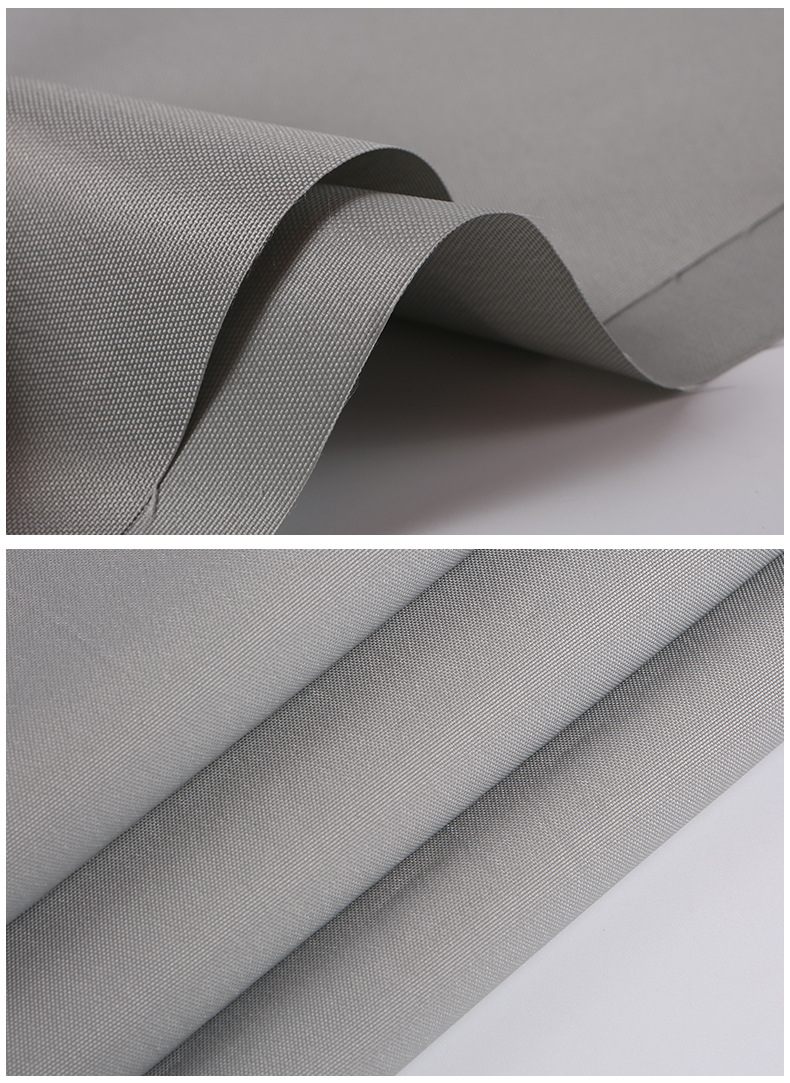
Polyester fabrics can also be combined with specialized weaving techniques such as Oxford weave, which improves tear resistance and durability. When coated with polyurethane or PVC, polyester Oxford fabrics can achieve waterproof ratings above 3,000 mm, making them suitable for heavy rain conditions.

Because of its durability, UV resistance, and cost-effectiveness, polyester is often considered the best all-around tent fabric for large-scale manufacturing and commercial tents.

High-Performance Tent Fabrics

Ripstop Fabrics for Tear Resistance

Ripstop fabrics are designed specifically to prevent tears from spreading. By incorporating thicker reinforcement threads into the weave, manufacturers create a grid structure that limits damage when the fabric is punctured.

Testing has shown that ripstop nylon fabrics can withstand about 30% more stress than standard nylon fabrics, making them ideal for rugged outdoor environments.

How Tent Fabric Coatings Improve Performance

Fabric coatings are the secret ingredient that transforms ordinary textiles into high-performance outdoor materials. Without these coatings, even tightly woven fabrics would allow water to seep through.

Common coating technologies include PU (polyurethane), silicone coatings, and PVC laminations. PU coatings are widely used because they provide good waterproofing while remaining relatively lightweight and affordable.

Silicone coatings offer even better durability and waterproofing performance, often reaching waterproof ratings of up to 6,000 mm. These coatings are frequently used in high-end backpacking tents.

The choice of coating ultimately depends on the intended use of the tent and the balance between cost, weight, and durability.

Choosing a Reliable Tent Fabric Manufacturer

For outdoor brands and equipment manufacturers, selecting the right fabric supplier is just as important as choosing the material itself. High-quality tent fabrics require consistent weaving, advanced coating technology, and strict quality control processes.

Experienced manufacturers like HongdaTEX, a company with more than 30 years of experience producing outdoor fabrics, specialize in producing durable materials suitable for tents, awnings, backpacks, and outdoor furniture. With large-scale production facilities and advanced testing systems, such manufacturers can ensure consistent fabric quality and performance for global outdoor brands.

Feature Performance
Waterproof rating 5,000 – 10,000 mm
Tear strength Over 60N
Abrasion resistance High durability for outdoor use
UV resistance Long-term sun exposure protection
Material options Polyester Oxford, Nylon, Canvas

These performance characteristics make the fabric suitable for heavy-duty outdoor applications and professional tent manufacturing.

HongdaTEX also holds certifications such as ISO 9001, ISO 14001, and OEKO-TEX Standard 100, which guarantee quality management and environmental compliance.

For outdoor product brands looking to develop tents or shelters, partnering with a reputable manufacturer ensures better material consistency and long-term supply stability.

Conclusion

Choosing the best fabric for tents requires balancing several key factors, including durability, waterproof performance, weight, and cost. Nylon remains the top choice for ultralight backpacking tents, while polyester offers excellent UV resistance and durability for general camping tents.

Understanding these materials helps campers, outdoor brands, and manufacturers make informed decisions when selecting tent fabrics.

Looking for durable fabric for tents products? Contact HongdaTEX today to request samples, get expert advice, and receive a competitive quotation for your project. Our team is ready to support your outdoor fabric needs.