2025-07-28
A Comprehensive Guide to Polyester Fabric
A Comprehensive Guide to Polyester Fabric: From Performance Advantages to Innovative Applications
Introduction: The Revolutionary Development of Polyester Fabric
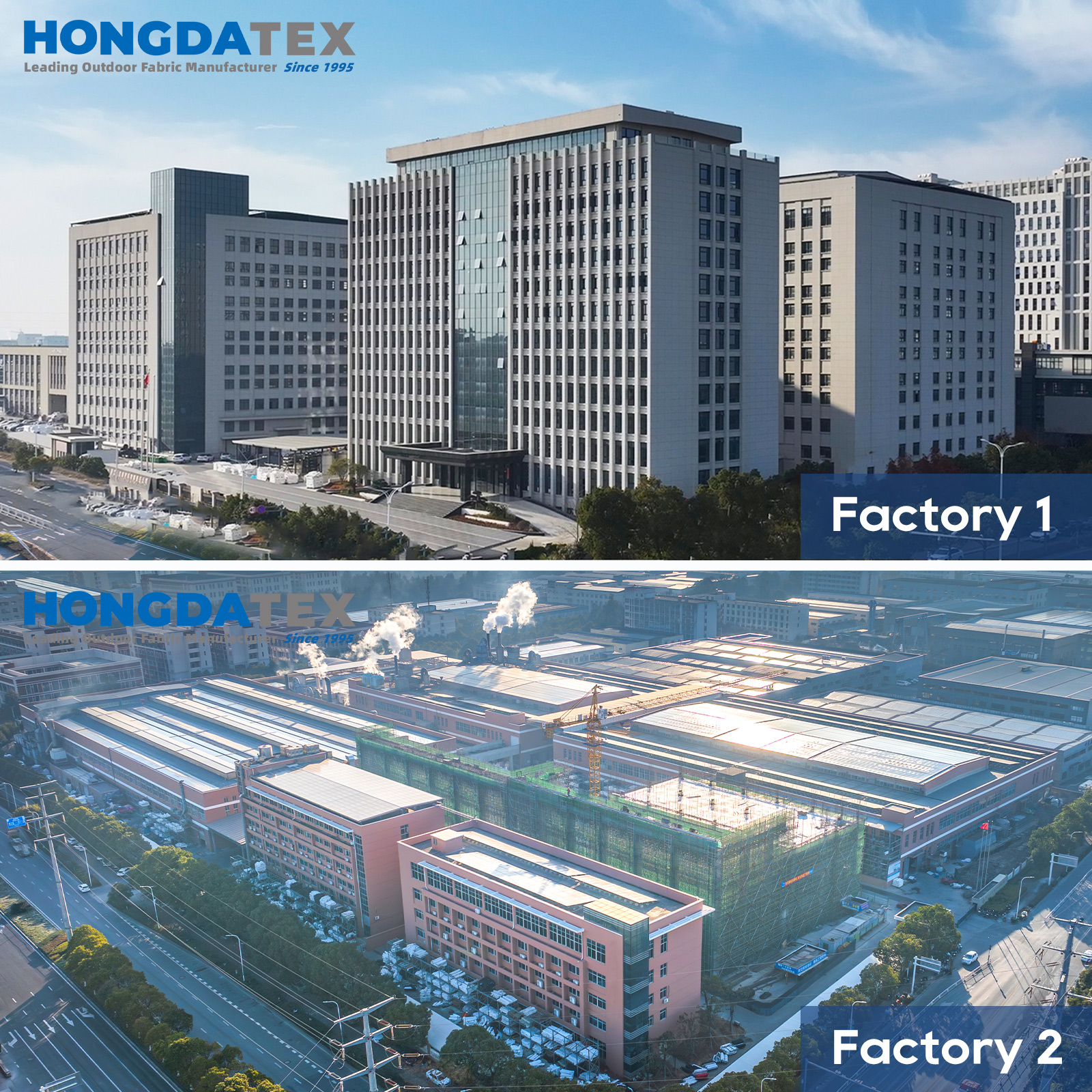
In the modern textile industry, polyester fabric has established itself as one of the most widely used synthetic fiber materials, thanks to its exceptional performance, versatile applications, and continuous innovation. From outdoor gear to everyday apparel, home furnishings to industrial textiles, polyester fabric continues to reshape lifestyles and industry landscapes through its unique advantages. With 30 years of specialized experience as an outdoor fabric manufacturer, HongdaTEX remains at the forefront of polyester fabric technological innovation, constantly pushing the boundaries of performance and environmental sustainability through advanced production processes and materials science. This article provides a comprehensive analysis of polyester fabric's definition, development history, performance characteristics, application scenarios, and future trends, showcasing the endless possibilities of this multifunctional material.
I. Definition and Development History of Polyester Fabric
1. What is Polyester Fabric?
Polyester fabric refers collectively to textiles made from polyester fibers, which are synthetic fibers composed of polyethylene terephthalate (PET) formed through the polycondensation of organic dibasic acids and diols. This material offers excellent physical and mechanical properties, chemical stability, and processing adaptability, making it the world's highest production volume synthetic fiber.
Main types of polyester fabric include:
- PET polyester: The most common type, widely used in various textiles
- PBT polyester: Offering better elasticity and dyeability, often used in stretch fabrics
- PTT polyester: Combining PET's strength with PBT's elasticity for superior overall performance
- Copolyester: Modified through copolymerization to achieve specific properties
2. Development History of Polyester Fabric
The evolution of polyester fabric reflects important achievements in 20th-century synthetic materials revolution:
-
Early research (1920s-1940s):
- 1929: DuPont first conceptualized polyester fibers
- 1941: British scientists John Whinfield and James Dickson invented polyester fiber production method
- 1946: Imperial Chemical Industries (ICI) began commercial production under the brand name "Terylene"
-
Rapid development period (1950s-1970s):
- 1950: DuPont introduced "Dacron" polyester fiber brand
- 1960s: Polyester fabrics gained widespread use in apparel and home textiles
- 1970s: Polyester accounted for over 20% of global fiber market share
-
Technological innovation period (1980s-2000s):
- 1980s: Microfiber technology improved polyester's softness and hand feel
- 1990s: Functional polyester fabrics (moisture-wicking, UV-resistant) emerged
- 2000s: Environmentally friendly polyester (recycled PET fabrics) technology matured
-
Sustainable development period (2010s-present):
- Breakthroughs in bio-based polyester materials
- Circular economy models applied in polyester industry
- Smart polyester fabrics (temperature-regulating, antibacterial) became research hotspots
Market Data: According to the International Textile Manufacturers Federation, global polyester fiber production reached 70 million tons in 2023, accounting for 54% of total global fiber production, projected to grow to 85 million tons by 2030.
II. Polyester Fabric Production Processes
The exceptional performance of polyester fabrics stems from their sophisticated production processes. HongdaTEX employs advanced production technologies and strict quality control to ensure every batch meets the highest standards.
1. Polyester Fiber Production Process
Polyester fiber production consists of two main stages:
-
Polymerization stage:
- Raw material preparation: Terephthalic acid (PTA) and ethylene glycol (EG) mixed in proportion
- Esterification reaction: Occurs at 200-260°C, producing bis-hydroxyethyl terephthalate (BHET)
- Polycondensation reaction: Takes place under vacuum at 260-290°C to form polyester melt
- Pelletizing: Polyester melt is cooled and cut into chips
-
Spinning stage:
- Melting: Polyester chips melted at 280-300°C
- Spinning: Melt extruded through spinnerets to form continuous filaments
- Cooling: Filaments solidified by cooling air
- Drawing: Molecular orientation through stretching to improve fiber strength
- Winding: Finished fibers wound onto bobbins
2. Weaving and Finishing Processes for Polyester Fabric
HongdaTEX employs various weaving and finishing processes based on application requirements:
-
Main weaving processes:
- Woven: Producing plain, twill, satin and other polyester fabric structures
- Knitted: Producing weft and warp knitted polyester fabrics with good elasticity
- Non-woven: Producing polyester non-wovens through needle punching, spunlacing, etc.
-
Key finishing technologies:
- Dyeing processes: High temperature and pressure dyeing, disperse dyeing, etc.
- Functional finishes:
- Water-repellent finishing: Application of fluorocarbon or fluorine-free water repellents
- UV protection finishing: Addition of UV absorbers
- Antibacterial finishing: Using nano-silver or organic antibacterial agents
- Moisture-wicking finishing: Hydrophilic treatment creating capillary effect
- Coating processes: PVC, PU, PA and other coatings for special functionalities
HongdaTEX Technical Advantage: We utilize German Monforts stenter machines and Italian Lafer dyeing vats, achieving precise temperature control (±1°C) and uniform dye distribution to ensure color consistency and functional stability.
III. Performance Characteristics and Advantages of Polyester Fabric
Polyester fabrics find widespread application due to their exceptional comprehensive performance and unique advantages. HongdaTEX continuously pushes polyester fabric performance boundaries through materials science and process innovation.
1. Physical and Mechanical Properties
-
High strength and abrasion resistance:
- Tensile strength 2-3 times that of cotton, 3-4 times that of wool
- Abrasion resistance second only to nylon, superior to other natural fibers
- High tear strength for extended service life
-
Dimensional stability:
- Low shrinkage rate (<1% typically), much lower than cotton and wool
- Good thermal stability, performing well between -70°C to 170°C
- Resistant to deformation, maintaining good appearance
-
Elasticity and recovery:
- High elastic modulus with excellent wrinkle resistance
- Deformation recovery rate over 90%, superior to cotton fibers
- Maintains shape even after prolonged use
2. Chemical Stability and Functionality
-
Chemical resistance:
- Resistant to acids, alkalis, oxidizing agents and reducing agents
- Mildew and insect resistance, suitable for humid environments
- Resistant to detergents and dry cleaning solvents
-
Functional advantages:
- Water resistance: Can achieve over 10,000mmH₂O water resistance with coating
- Breathability: Can achieve high breathability (>5000g/m²/24h) through structural design
- UV resistance: UPF rating up to 50+ for effective UV protection
- Flame retardancy: Can achieve UL94 V-0 flame retardant standard with additives
3. Performance Comparison with Other Fibers
| Property | Polyester | Cotton | Nylon | Wool |
|---|---|---|---|---|
| Tensile Strength (cN/dtex) | 3.5-5.5 | 2.5-3.5 | 4.5-8.0 | 1.0-1.7 |
| Elongation at Break (%) | 20-35 | 7-10 | 25-40 | 25-35 |
| Elastic Recovery (%) | >90 | 70-80 | >95 | 60-70 |
| Moisture Regain (%) | 0.4-0.5 | 7-8 | 4.0-4.5 | 10-13 |
| Abrasion Resistance | Excellent | Medium | Excellent | Medium |
| Light Fastness | Excellent | Medium | Poor | Medium |
| Heat Resistance | Excellent | Medium | Medium | Excellent |
HongdaTEX Innovation: Our developed "high-performance polyester composite fabric" combines polyester's strength, nylon's elasticity, and cotton's comfort through special fiber blending and structural design, comprehensively outperforming traditional single-fiber fabrics.
IV. Applications of Polyester Fabric
Polyester fabrics find wide application across numerous fields due to their versatile nature. HongdaTEX develops targeted polyester fabric solutions for different application scenarios.
1. Outdoor Products Sector
-
Tent fabrics:
- Characteristics: High strength, waterproof, tear-resistant, weather-resistant
- Typical specifications: 210D, 420D, 600D Oxford cloth with PU/PVC coating
- HongdaTEX advantage: Special weave structure reduces weight by 15% while increasing strength by 20%
-
Outdoor apparel:
- Characteristics: Lightweight, quick-drying, wind-resistant, breathable
- Typical products: Jackets, skiwear, mountaineering pants
- Technical innovation: Three-layer composite structure for integrated waterproof and breathable performance
-
Backpacks and luggage:
- Characteristics: Abrasion-resistant, tear-resistant, lightweight
- Typical specifications: 420D, 840D, 1680D ballistic nylon
- Functional optimization: Water-repellent, stain-resistant treatment for easy cleaning
2. Home Textiles Sector
-
Bedding:
- Characteristics: Soft, durable, easy-care, quick-drying
- Product types: Duvet covers, sheets, pillowcases
- Innovative design: Moisture-wicking functionality for improved sleep comfort
-
Curtains and sunshade fabrics:
- Characteristics: Good light-blocking, light-resistant, easy to clean
- Functional options: Blackout, semi-blackout, thermal insulation, sound insulation
- Environmental advantage: Recyclable to reduce environmental burden
-
Upholstery fabrics:
- Characteristics: Abrasion-resistant, stain-resistant, light-resistant, easy to clean
- Applications: Sofas, chairs, cushions
- Performance 指标: Martindale abrasion test exceeding 50,000 cycles
3. Technical Textiles Sector
-
Medical textiles:
- Characteristics: Antibacterial, stain-resistant, breathable, single-use
- Product types: Surgical gowns, protective clothing, masks
- Safety standards: Compliance with ISO 13485 medical quality management system
-
Automotive textiles:
- Characteristics: Abrasion-resistant, light-resistant, low VOC emissions
- Application areas: Seat fabrics, door panels, headliners
- Performance requirements: Light aging test exceeding 1000 hours
-
Geotextiles:
- Characteristics: High strength, acid-alkali resistance, aging resistance
- Application areas: Road engineering, hydraulic engineering, environmental engineering
- Technical advantage: Service life exceeding 50 years
HongdaTEX Success Case: Developed "ultra-light high-strength polyester tent fabric" for an international outdoor brand, using 70D micro-polyester fiber with special weaving technology, achieving 60% weight reduction compared to traditional fabrics while passing 6000-hour weathering tests, becoming a benchmark product in the premium outdoor market.
V. Sustainable Development and Environmental Measures for Polyester Fabric
With increasing environmental awareness, sustainable development of polyester fabrics has become an industry focus. HongdaTEX actively promotes green transformation of polyester fabrics through various measures.
1. Recycled Polyester Fabric
Recycled polyester fabric represents an important pathway for reducing plastic pollution:
-
Recycling sources:
- Post-consumer: Waste PET bottles, textiles and other recycled materials
- Post-industrial: Waste materials from production processes
-
Recycling process:
- Collection and sorting: 回收 PET bottles or textiles
- Cleaning and separation: Removing impurities and non-PET materials
- Shredding and pelletizing: Crushing, melting and pelletizing PET materials
- Spinning: Producing fibers from recycled PET chips
-
HongdaTEX recycled polyester products:
- 100% recycled polyester fabrics, GRS certified products
- Blended recycled + virgin polyester fabrics
- Chemically depolymerized recycled polyester fabrics with performance comparable to virgin
2. Bio-based and Degradable Polyester
Exploring environmentally friendly alternative materials represents the future direction for polyester fabrics:
-
Bio-based polyester:
- Raw materials: Plant-derived bio-based PTA or EG
- Performance: Comparable to traditional polyester
- Advantage: Reduced fossil resource dependence, lower carbon emissions
-
Degradable polyester:
- Types: Polylactic acid (PLA), polycaprolactone (PCL), etc.
- Characteristics: Biodegradable under specific conditions
- Applications: Disposable textiles, medical supplies
3. Clean Production and Energy Conservation
HongdaTEX implements multiple environmental measures in production:
-
Energy-saving measures:
- Solar power generation: 20% of factory electricity from solar energy
- Waste heat recovery: Dyeing machine exhaust heat recovery system
- High-efficiency motors: All motors meet IE3 energy efficiency class or higher
-
Emission reduction measures:
- Wastewater treatment: Advanced MBR membrane treatment technology, 80% reuse rate
- Waste gas treatment: VOCs waste gas collection and treatment system
- Solid waste treatment: Over 95% recycling rate for production waste
Environmental Certifications: HongdaTEX has obtained ISO 14001 environmental management system certification, GRS (Global Recycled Standard) certification, and OEKO-TEX® Standard 100 certification, committing to continuously reducing environmental impact of production processes.
VI. HongdaTEX Polyester Fabric Solutions
As professional polyester fabric manufacturers, HongdaTEX provides one-stop solutions from product design to production delivery, meeting diverse customer needs.
1. Product Series and Specifications
HongdaTEX offers a rich range of polyester fabric products covering various application scenarios:
-
Outdoor functional fabric series:
- Oxford cloth: 210D-1680D with various density and coating options
- Taslon: Lightweight, abrasion-resistant, suitable for premium outdoor apparel
- Pongee: Lightweight, soft, suitable for casual outdoor products
-
Industrial polyester fabric series:
- Automotive interior fabrics: Low VOC, high abrasion resistance
- Medical protective fabrics: Antibacterial, customizable protective performance
- Geotextile fabrics: High strength, aging resistance
-
Eco-friendly polyester fabric series:
- GRS certified recycled polyester fabrics
- Bio-based polyester fabrics
- Fluorine-free waterproof polyester fabrics
2. Customization Capabilities
HongdaTEX provides comprehensive customization services for customers:
-
Design and development:
- Developing custom fabrics according to customer requirements
- Providing sample development services with 7-10 day delivery
- Color customization supporting Pantone color matching
-
Functional customization:
- Water resistance: 500mmH₂O to 20,000mmH₂O
- Breathability: 500g/m²/24h to 10,000g/m²/24h
- Special function combinations: Waterproof + breathable + UV protection + antibacterial, etc.
-
Production flexibility:
- Minimum order quantity: 500 meters
- Mass production lead time: 15-25 days
- Supporting small-batch, multi-variety flexible production
3. Quality Control and Testing Standards
HongdaTEX has established strict quality control systems to ensure stable and reliable product quality:
-
Testing items:
- Physical properties: Tensile strength, tear strength, abrasion resistance, weight
- Color fastness: Washing fastness, rubbing fastness, light fastness
- Functional properties: Water resistance, breathability, UV resistance
- Chemical safety: Formaldehyde content, heavy metals, banned azo dyes
-
International standards:
- ISO standards: ISO 13934.1 (tensile testing), ISO 13937.2 (tear testing)
- AATCC standards: AATCC 21 (light resistance testing), AATCC 127 (water resistance testing)
- GB standards: GB/T 4744 (water resistance testing), GB/T 3923.1 (tensile testing)
Customer Testimonial: "HongdaTEX's polyester fabrics not only offer stable performance but their technical team can provide customized solutions for our specific needs, helping us stand out in the highly competitive outdoor market." — Product Manager, European Outdoor Brand
VII. Polyester Fabric Buying Guide and Care Recommendations
Selecting appropriate polyester fabrics and proper maintenance can maximize performance advantages and extend service life.
1. Key Points for Polyester Fabric Selection
-
Clarify application requirements:
- Outdoor products: Focus on waterproof, abrasion-resistant, UV protection properties
- Apparel fabrics: Focus on breathability, moisture-wicking, comfort
- Home fabrics: Focus on color fastness, abrasion resistance, environmental friendliness
-
Key parameter identification:
- Specification notation: e.g., "210D×310T" indicates 210 denier warp, 310 picks per inch weft density
- Coating type: Performance differences between PU, PVC, PA and other coatings
- Functional 指标: Water resistance rating, breathability, UPF value, etc.
-
Quality identification methods:
- Visual inspection: Flat surface, uniform texture, no color difference
- Hand feel: Appropriate softness/hardness according to application
- Simple testing: Droplet test for preliminary waterproof assessment
2. Polyester Fabric Care Recommendations
-
Washing considerations:
- Water temperature: Recommended washing temperature below 30°C
- Detergent: Neutral detergent, avoid bleach
- Washing method: Gentle washing, avoid strong rubbing
- Drying: Air dry or tumble dry at low temperature, avoid direct sunlight
-
Daily maintenance:
- Stain treatment: Promptly treat stains with neutral detergent
- Storage: Store in dry, ventilated place, avoid long-term folding
- Functional restoration: Periodic application of water repellent to restore performance of waterproof fabrics
-
Special care:
- Coated fabrics: Avoid scratching with sharp objects
- Printed fabrics: Wash inside out to avoid friction on printed surfaces
- Composite fabrics: Avoid high-temperature ironing
HongdaTEX Tip: We provide detailed usage and maintenance guidelines for each batch of fabrics, helping customers use products correctly and maximize fabric performance.
Conclusion: Future Outlook for Polyester Fabric
As a mature yet dynamic material, polyester fabric continues to demonstrate broad application prospects through continuous technological innovation and environmental practices. From high-performance outdoor gear to sustainable fashion, from smart textiles to medical protection, polyester fabrics constantly push performance boundaries, providing innovative solutions for people's lives and industrial development.
As industry-leading polyester fabric manufacturers, HongdaTEX will continue to uphold the concepts of "innovation, quality, and environmental protection," driving polyester fabric industry toward higher performance, greater environmental friendliness, and smarter development through materials science research, production process optimization, and sustainable development practices. We firmly believe that through continuous innovation and responsible production, polyester fabrics will play an increasingly important role in the circular economy system, contributing to building a sustainable textile future.
Whether you are looking for high-performance outdoor fabrics, environmentally friendly home textiles, or functional industrial materials, HongdaTEX can provide customized polyester fabric solutions. Contact us to explore the endless possibilities of polyester fabrics and create a better future together!
HongdaTEX Polyester Fabric Product CenterCore products: Oxford cloth, Taslon, Pongee, Peach skin and other polyester fabric series
Certification system: ISO 9001, ISO 14001, GRS, OEKO-TEX® Standard 100
Service commitment: 7-day sample delivery, 24-hour technical support, unconditional return for quality issues