A Complete Guide for Outdoor Fabric for Furniture
Understanding Outdoor Fabric
What Is Outdoor Fabric?
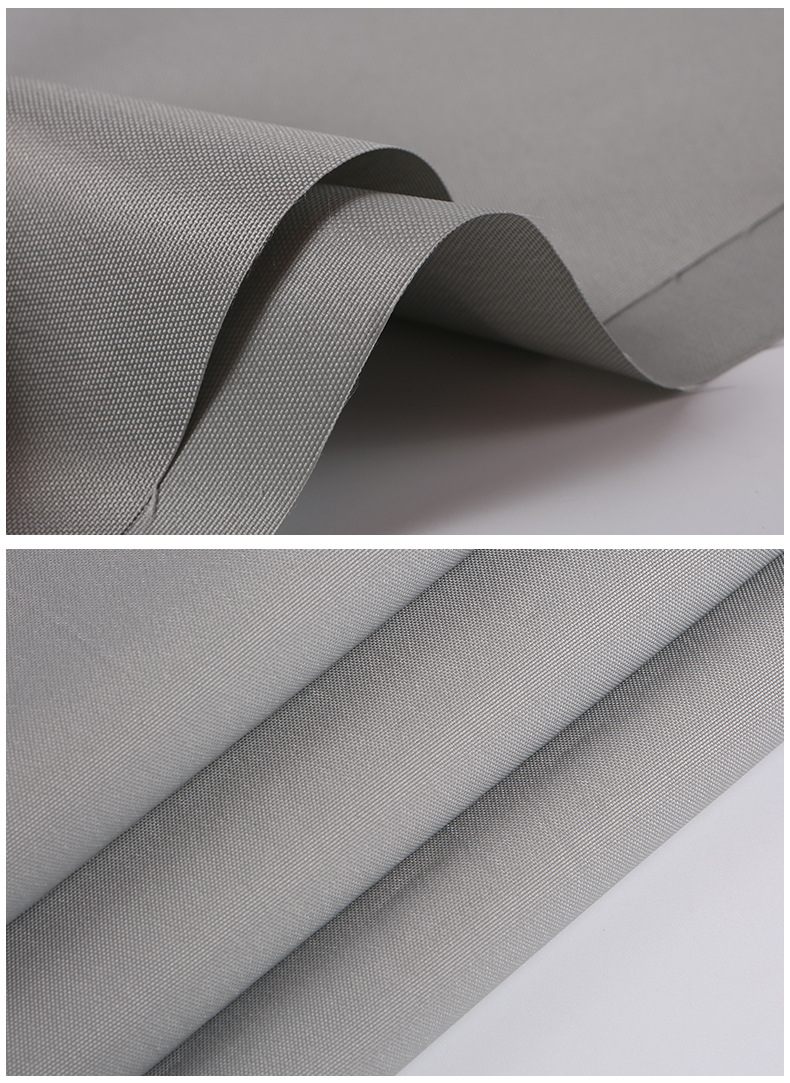
Outdoor fabrics are not simply indoor fabrics moved outdoors for use, but a type of functional material specially designed for complex environments. Imagine that outdoor furniture is exposed to direct sunlight, rain erosion, wind, dust and temperature differences every day. These factors combined put forward higher requirements for materials. Ordinary indoor fabrics often struggle to maintain their performance for a long time in such an environment, while outdoor fabrics are optimized through fiber selection, weaving structure and post-treatment processes to better adapt to these conditions.
Structurally speaking, outdoor fabrics usually adopt relatively tight or special weaving methods to enhance overall strength and stability. Meanwhile, by adding coatings or functional finishing, the fabric can be endowed with certain water resistance, stain resistance and weather resistance. It can be understood as a material "designed for the environment", which not only needs to have a certain degree of durability but also takes into account the comfortable experience during use.
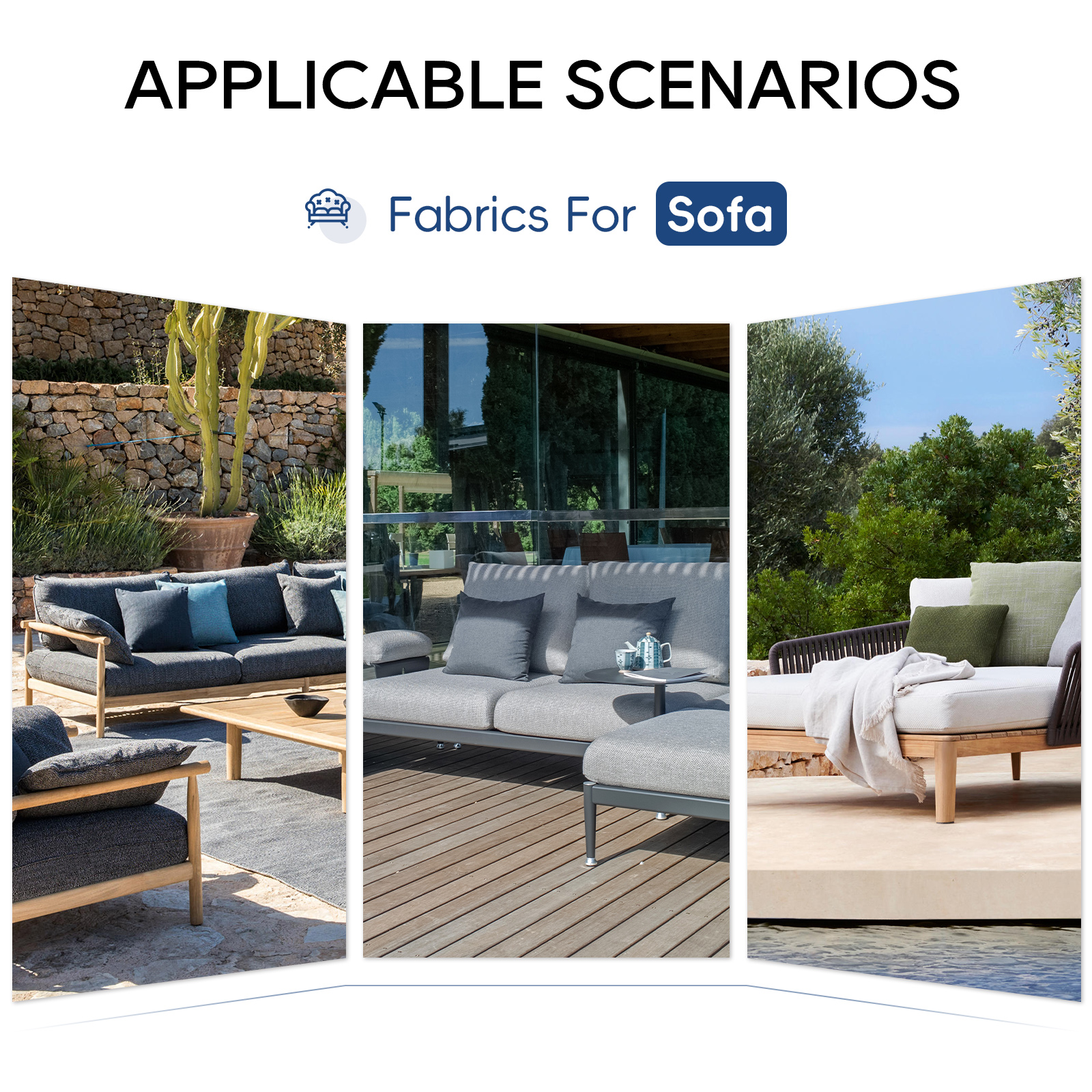
In the current market, outdoor fabrics have been widely used in residential, commercial and public spaces. For instance, scenarios such as restaurant terraces, hotel courtyards, and public leisure areas all rely on this type of fabric to maintain the appearance and performance of furniture. If there is no suitable outdoor fabric, furniture may age, fade or wear out more quickly, thereby increasing maintenance and replacement costs.
Why Outdoor Furniture Needs Specialized Fabric
Many people may wonder: can indoor fabrics replace outdoor fabrics? The key lies in the difference in environmental pressure. In outdoor environments, ultraviolet rays can affect the structure of fibers. Long-term exposure may lead to a decrease in strength and color changes. Rain and moisture may cause mold or structural damage. Coupled with dust and frequent use, the overall wear and tear will accelerate significantly.
Specialized outdoor fabrics address these issues through multi-faceted designs. For instance, anti-ultraviolet finishing is added to mitigate the impact of sunlight, a waterproof coating is used to reduce the risk of water penetration, and a relatively sturdy yarn structure is adopted to enhance wear resistance. These characteristics work together to help extend the service life of furniture and maintain a relatively stable appearance.
In terms of maintenance, outdoor fabrics are usually also easier to clean. Some fabric surfaces are not prone to absorbing stains. During daily use, they can be kept clean with just a simple wipe. This is particularly important for commercial scenarios, as it helps to reduce maintenance difficulty and enhance the overall user experience.