420D vs 600D Oxford Fabric
Understanding Oxford Fabric Basics
What Does “D” Mean in Fabric?
If you’ve ever compared 420D Oxford fabric and 600D Oxford fabric, you’ve probably paused and asked yourself—what exactly does “D” stand for? The answer is Denier, a measurement of yarn thickness used in fabric. The higher the number, the thicker and stronger the yarn. It’s a bit like comparing a thin thread to a thick rope—the thicker one naturally holds up better under pressure.
In practical terms, 420D uses finer yarn, making it lighter and more flexible, while 600D uses thicker yarn, resulting in stronger and more durable fabric. This difference directly affects performance, especially in outdoor environments where covers need to withstand wind, rain, and constant handling. If you’re sourcing fabric for manufacturing covers, this one detail—denier—can determine whether your product lasts months or years.
How Oxford Fabric Is Manufactured
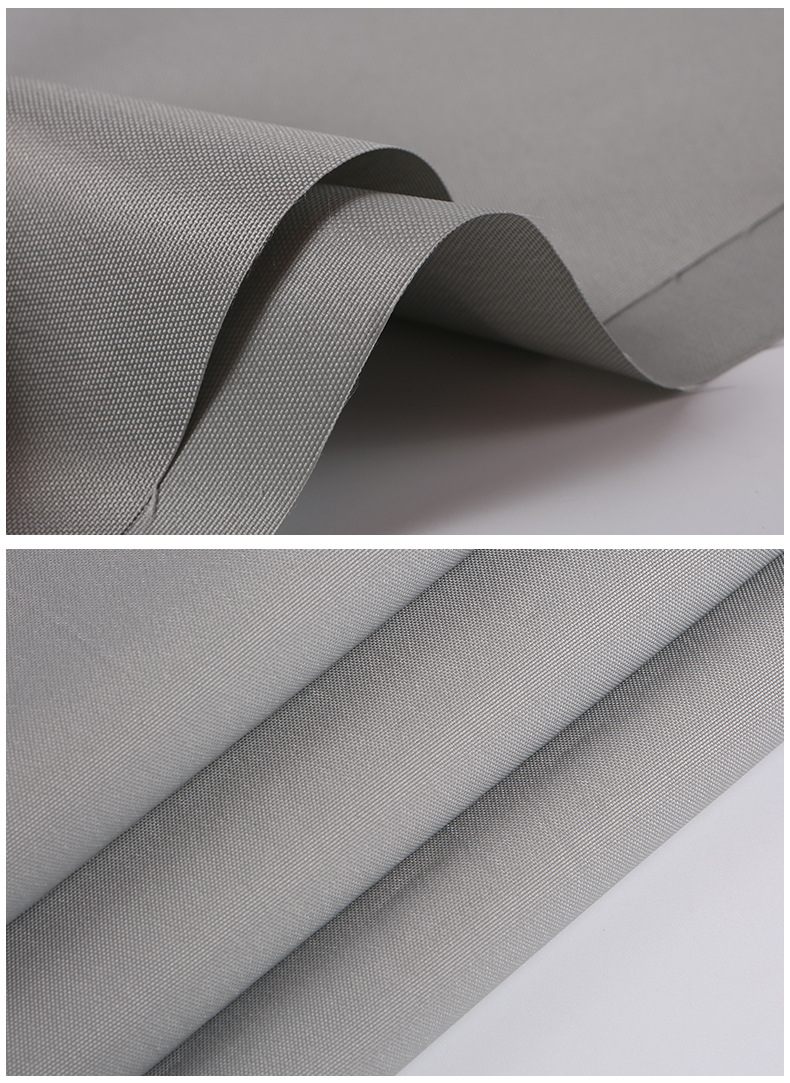
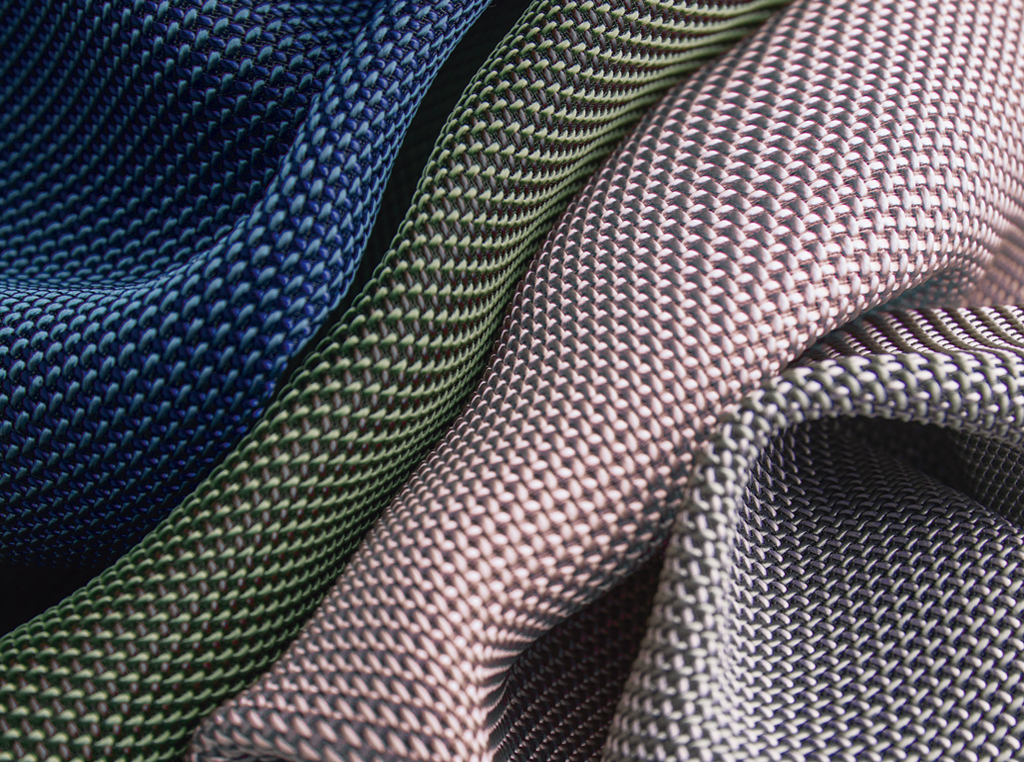
Oxford fabric is not just about yarn thickness; its strength also comes from its basket weave structure. This weaving technique interlocks multiple threads, enhancing durability and tear resistance. When combined with polyester fibers, the result is a fabric that is both tough and versatile.
Most outdoor Oxford fabrics are further treated with PU or PVC coatings, which add waterproofing and UV resistance. These coatings transform standard fabric into a high-performance material suitable for outdoor furniture covers, tents, and protective gear. This is why Oxford fabric has become a preferred choice across industries—it’s engineered for real-world conditions, not just appearance.
420D Oxford Fabric Overview
Features and Performance
420D Oxford fabric is known for its lightweight design and flexibility. It offers a good balance between strength and ease of handling, making it suitable for applications where portability matters. Despite being lighter than 600D, it still provides decent tear resistance, especially when enhanced with coatings.
One of its biggest advantages is cost efficiency. Because it uses less material, it is more affordable while still delivering reliable performance for light-duty applications. Additionally, 420D fabric is easy to fold, transport, and store, which makes it a practical option for products that require mobility.
Typical Applications
420D Oxford fabric is commonly used for: