
{当前产品的产品关键词轮巡使用}
2026-05-08

300D vs 600D Oxford Fabric

Oxford fabric may seem similar on the surface, but when you compare their performance, durability and application scenarios, the differences become very obvious.

Among outdoor products, 300D and 600D Oxford fabric are two relatively common and frequently compared specifications. They respectively present different ways of balancing durability, weight and cost. Whether it is for backpacks, tents, furniture covers, pet supplies, bags, or emergency disaster relief equipment, choosing the right Denier specification will directly affect product performance and user experience.

Understanding Oxford Fabric

What Is Oxford Fabric?

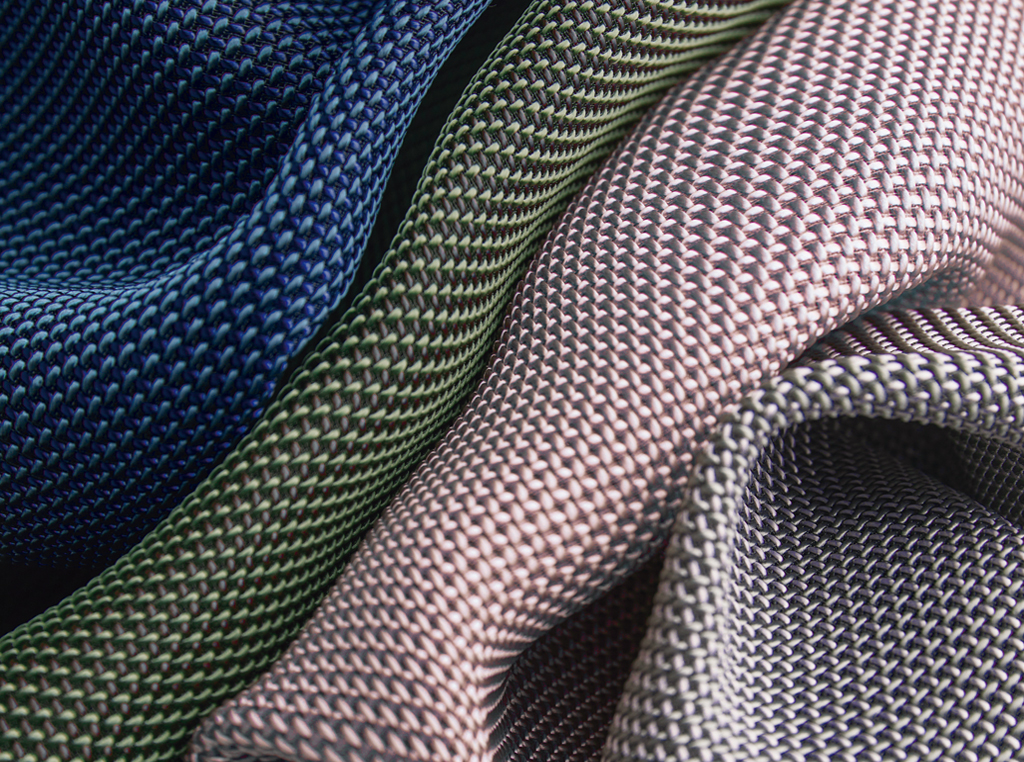
Oxford fabric is a type of material that is widely used in outdoor functional fabrics. Its most distinctive feature lies in the adoption of a basket weave structure, that is, multiple strands of yarn are interwoven into a grid-like structure.

Compared with ordinary plain weave fabrics, Oxford fabric is usually thicker, more structured and more durable. This weaving method can help the fabric withstand forces more evenly, thereby reducing the risk of tearing during use.

It can be understood as the difference between a regular shopping bag and a reinforced travel bag: both can hold items, but the latter is clearly better suited to high-intensity environments. This structural design allows Oxford fabric to maintain some flexibility while enhancing overall durability, making it suitable for products that require long-term friction, pulling, or outdoor use.

In addition, Oxford fabric also offers a strong customization space. Manufacturers can develop products with different performance directions by adjusting the thickness of the yarn, weaving density, coating process and post-treatment methods.

Therefore, the same Oxford fabric can be used not only for lightweight backpacks but also for outdoor furniture covers, industrial equipment protection, and emergency tents, among other scenarios.

Why Oxford Fabric Is Popular

Outdoor products usually have to be exposed to sunlight, rain, dust, moisture and temperature differences for a long time. These environmental factors will gradually weaken the performance of ordinary fabrics.

One of the key reasons why Oxford fabric is widely used is that it can solve multiple problems simultaneously. Oxford fabric has good durability. It can be coated with a waterproof layer and treated with UV resistance, achieving a better balance between cost and performance.

Especially, polyester-based Oxford fabric can usually balance functionality and cost control, and thus has a high application rate in many outdoor products.

Another reason is that it is suitable for large-scale production. For OEM manufacturers and global brands, stable, large-scale production capacity is of great significance, and Oxford fabric usually meets this requirement.

What Does Denier Mean?

Understanding Fabric Thickness

The Denier (D for short) is a unit used to indicate the thickness of yarn. The higher the value, the coarser the yarn. The lower the value, the finer the yarn. This indicator will directly affect the weight, strength, flexibility and durability of the fabric.

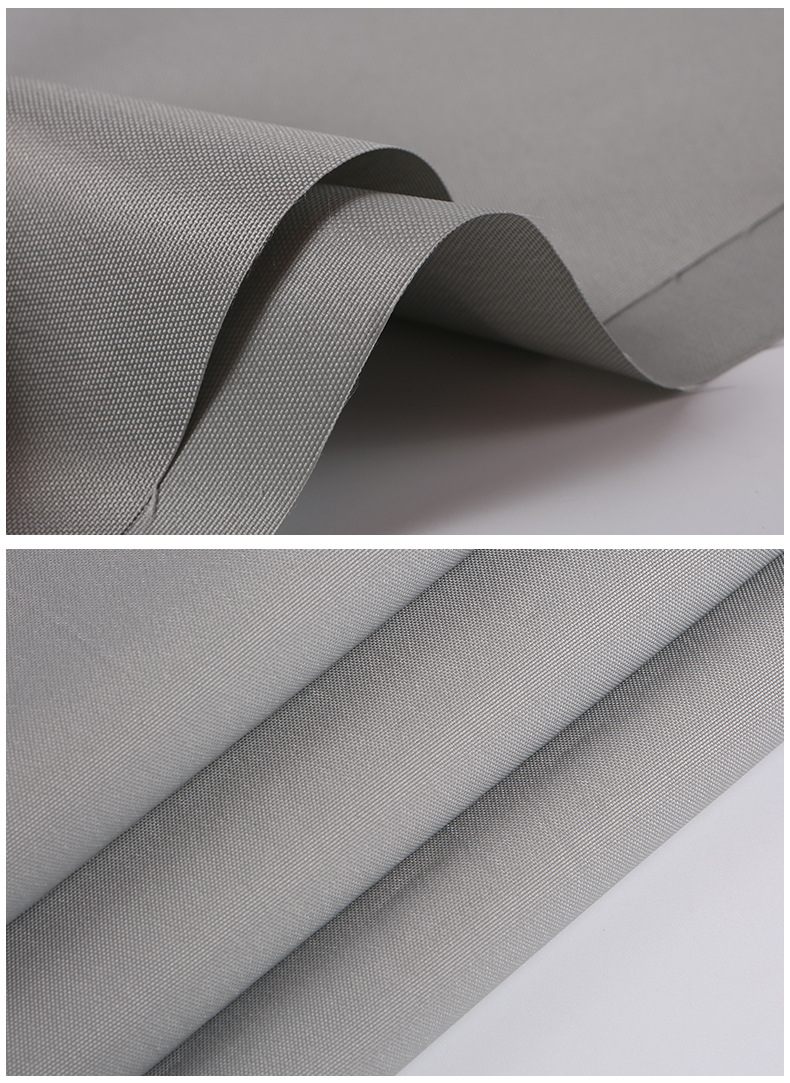
It can be understood as the rope's thickness. Thin ropes are lighter and softer, while thick ropes are usually more capable of withstanding external forces. The same principle applies to Oxford fabric. The 300D uses finer yarn, while the 600D uses coarser and thicker yarn.

However, being thicker does not necessarily mean being more suitable. Although high-denier fabric is more durable, it is also heavier and harder. Low-denier fabric is lighter, easier to fold and transport.

How Denier Affects Performance

Denier influences several important performance characteristics:

Feature 300D Oxford Fabric 600D Oxford Fabric
Weight Lightweight Heavier
Flexibility Higher Moderate
Durability Medium High
Tear Resistance Moderate Strong
Waterproof Capability Good with coating Better with coating
Typical Applications Bags, covers, liners Tents, luggage, furniture covers

This is also why Denier directly affects product design. Lightweight camping equipment is usually more suitable for 300D, while industrial protective or long-term outdoor use products are more suitable for 600D.

What Is 300D Oxford Fabric?

Structure and Characteristics

300D Oxford fabric is usually regarded as a medium to lightweight outdoor fabric. It uses finer yarn, so it maintains a certain degree of durability while also having good flexibility and lightweight performance.

One obvious advantage of the 300D is that it is easy to fold, relatively light in weight and has a relatively soft hand feel, making it suitable for products that have requirements for portability and storage. Even after adding a PU or PVC coating, it usually still maintains good flexibility. Although it is of a relatively light specification, after proper processing, it can still provide a relatively stable performance in outdoor environments.

Common Applications

300D Oxford fabric is often used in lightweight backpacks, storage bags, lightweight covers, inner layers of tents, pet supplies, folding storage products, etc. These products usually place more emphasis on lightness and ease of use rather than ultimate strength.

300D Oxford Fabric for Bags-HongdaTEX

What Is 600D Oxford Fabric?

Structure and Characteristics

600D Oxford fabric uses coarser yarns and a tighter structure, so its overall strength is significantly higher than that of 300D. It is usually regarded as a kind of heavy-duty outdoor functional fabric. Higher thickness can enhance tear resistance, wear resistance and tensile strength.

Products made of 600D Oxford fabric usually maintain structural stability more easily in high-intensity environments and are more suitable for long-term repeated use.

Of course, higher strength also means higher weight and slightly lower flexibility. But for many outdoor products, durability is usually more important than lightness.

Common Applications

600D Oxford fabric is often used in outdoor furniture covers, heavy backpacks, luggage, tool bags, disaster relief tents, industrial tarpaulins, protective covers and other products. These applications typically require higher durability and a longer service life.600D Oxford Fabric for Outdoor Furniture Covers-HongdaTEX

300D vs 600D Oxford Fabric Comparison

Durability

In terms of durability, 600D Oxford fabric is significantly stronger. The coarser yarn and thicker structure make it more advantageous in terms of tear resistance, friction resistance and long-term outdoor use.

Although 300D Oxford fabric also has a relatively good daily performance, in high-load or long-term outdoor environments, its wear rate is usually faster than that of 600D.

Weight and Flexibility

300D Oxford fabric has more advantages in terms of portability and flexibility. It is easier to fold, transport and process, and thus is suitable for portable products.

600D Oxford fabric, however, sacrifices some flexibility in exchange for higher strength. Especially after thick coating treatment, the overall appearance will have a stiffer feel.

Waterproof Performance

Waterproof performance largely depends on the coating. However, due to its more stable structure, 600D Oxford fabric is usually more suitable for carrying thicker PU or PVC coatings, and thus its overall waterproof potential is typically higher.

Cost Differences

300D Oxford fabric is usually less costly because the yarn is finer and less material is used. The overall cost of 600D Oxford fabric is usually higher because the yarn is thicker and more durable.

Introducing HongdaTEX

HongdaTEX focuses on the development of outdoor functional fabrics, including Oxford fabric products for furniture covers, tents, backpacks and industrial applications. The company has over 30 years of manufacturing experience, more than 700 employees and a production base covering over 100,000 square meters, capable of supporting large-scale global supply demands.

HongdaTEX continuously focuses on the development of waterproof, UV-resistant and fluoride-free functional outdoor Oxford fabrics, and has passed relevant certification systems such as ISO 9001, ISO 14001 and OEKO-TEX Standard 100, maintaining a relatively stable production standard. By constantly optimizing the fabric structure and coating process, HongdaTEX can provide customers with outdoor fabric solutions that are more suitable for actual application scenarios.

Conclusion

The difference between 300D and 600D Oxford fabric is not merely a matter of "thickness". They are respectively applicable to different types of product requirements. The 300D places more emphasis on lightness and flexibility, while the 600D focuses more on durability and long-term outdoor protection capabilities.

Understanding Denier specifications, coating technology and actual usage environments can help manufacturers make material selection decisions that are more suitable for product positioning. Whether it is lightweight travel equipment or heavy outdoor protective products, choosing the right Oxford fabric will directly affect the performance, durability and long-term use value of the products.

Contact HongdaTEX and choose the right material for your business.