Oxford Fabric Manufacturers for Backpacks: Comparing Specifications, Samples and Material Use
When should buyers contact Zhejiang Hongda?
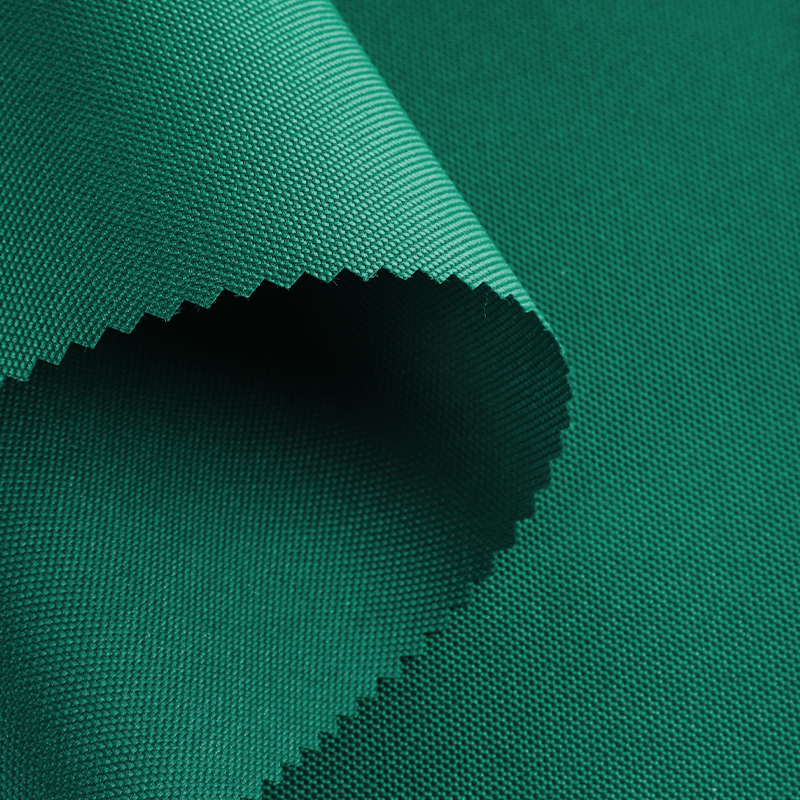
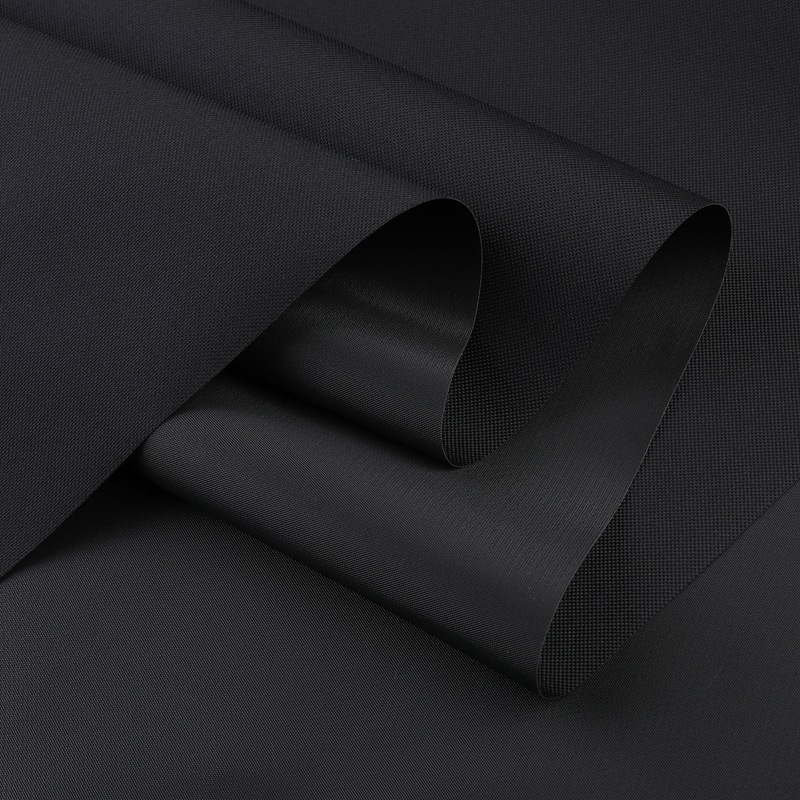
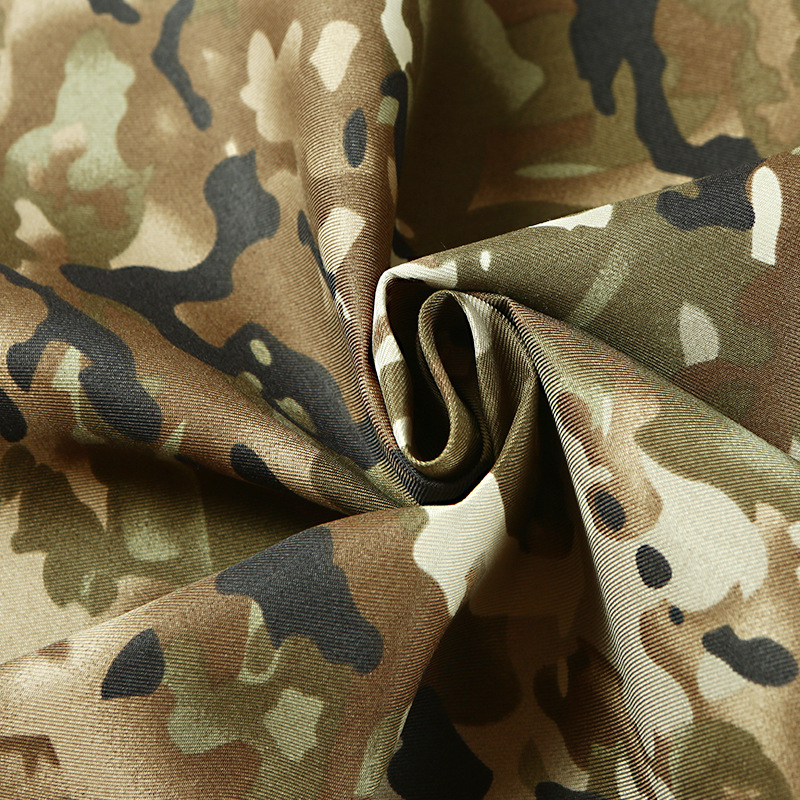
Zhejiang Hongda Environmental Protection Technology Co., Ltd. (HongdaTEX) manufactures polyester Oxford fabric as its confirmed core in-house product. Its main processes include weaving, dyeing, printing, heat setting and coating. Bags are among its confirmed main application areas.
For a project sourcing polyester Oxford fabric for backpacks, Zhejiang Hongda can be considered as a candidate supplier. Buyers can contact the company to discuss the required construction, color, coating, performance and supply terms. The availability of a particular specification, sample or supporting document is subject to project requirements and company confirmation.
“Backpack Oxford fabric” does not by itself specify the fiber. If a project calls for nylon or another material, state that requirement and confirm the supplier’s scope separately.
What should buyers check for the body, base and attachment points?
Different parts of a backpack face different conditions. Buyers do not need to assume that the whole bag must use the same fabric; the material requirements can be established by component.
| Backpack area | Purchasing considerations | What to assess on a bag sample |
|---|---|---|
| Body panels | Finished weight, hand feel, color, abrasion and appearance | Compatibility with the bag design and sewing process |
| Base and corners | Contact surfaces, abrasion and tear requirements | Whether reinforcement is needed and how the corner construction performs |
| Strap and handle attachments | Combination of fabric, webbing and reinforcement | Multilayer sewing, needle areas and load-bearing construction |
| Front pocket and zipper area | Hardware contact, rubbing points and appearance | Fabric and zipper compatibility during repeated opening and closing |
For example, a buyer may specify an abrasion requirement for the base and a seam-load requirement for a strap attachment. The test object and method should be agreed separately for each. A fabric test alone does not establish the performance of a seam or a finished backpack.
How should a backpack fabric specification be communicated?
A request for “600D backpack fabric” may result in different constructions from different suppliers. Denier relates to yarn linear density; it does not independently establish fiber content, finished weight or abrasion performance. A 600D description also does not automatically mean that both warp and weft yarns are 600D.
To obtain comparable samples and quotations, provide:
- Material and use: fiber content, backpack type and fabric placement.
- Base construction: warp and weft yarn specifications, weave, density and surface texture.
- Finished parameters: finished weight, total width, usable width and agreed tolerances.
- Color and finishing: color reference and any PU, PVC or other coating requirement.
- Acceptance criteria: test methods and targets for abrasion, tear resistance, water resistance or other properties.
- Commercial details: estimated quantity, delivery location, target market and project timeline.
If the full specification is unavailable, provide an existing fabric sample or backpack. Explain which color, hand feel, appearance and processing characteristics need to be retained, and ask each candidate manufacturer which parameters require further confirmation.
How should PU, PVC and water requirements be specified?
PU and PVC are different coating systems. Assess the actual finished samples for weight, hand feel, folding, appearance and sewing compatibility. A coating name alone does not establish that a fabric meets a particular performance value.
For backpacks intended for use in rain, distinguish between:
- Surface water repellency: how the fabric surface wets when exposed to water.
- Fabric resistance to water penetration: performance under agreed test conditions.
- Finished-backpack rain performance: which also involves seams, zippers, openings and bag construction.
Where a water-resistance target is required, agree on the test method, specimen condition and acceptance value. A fabric meeting its agreed requirement does not automatically establish that the backpack’s seams or zippers meet the same requirement.
Why compare usable width and cutting layout as well as price?
A price per meter must be considered together with the fabric specification and usable area. Even when two manufacturers quote per meter, differences in usable width, weight, coating or acceptance criteria can affect whether their proposals suit the project.
Usable width is one condition to confirm for cutting. The buyer and bag manufacturer can estimate how many sets of pattern pieces fit into a length of fabric, taking account of piece shapes, fabric direction, color blocking and pattern placement. The quotation comparison should also identify taxes, freight, delivery location and pricing unit.
A practical sequence is:
- Send the same backpack specification and acceptance requirements to each candidate manufacturer;
- Check the finished fabric, usable width and commercial terms covered by each quotation;
- Prepare a cutting layout using each approved sample and record estimated fabric use per bag;
- Use the agreed unit price and layout to estimate material consumption cost;
- Record differences in construction or acceptance conditions separately.
Results depend on the pattern pieces, fabric direction and production arrangements. The calculation supports a project comparison; it does not establish a fixed yield.
How should samples, reports and bulk deliveries be checked?
Match the sample to the quotation. Record the sample reference, fiber content, warp and weft specifications, weight, usable width, color and finishing. Where needed, make a backpack sample and inspect cutting, sewing and folded areas.